

-


-


-
-


-
-


-


whatsapp

-
WeChat

-
Telegram

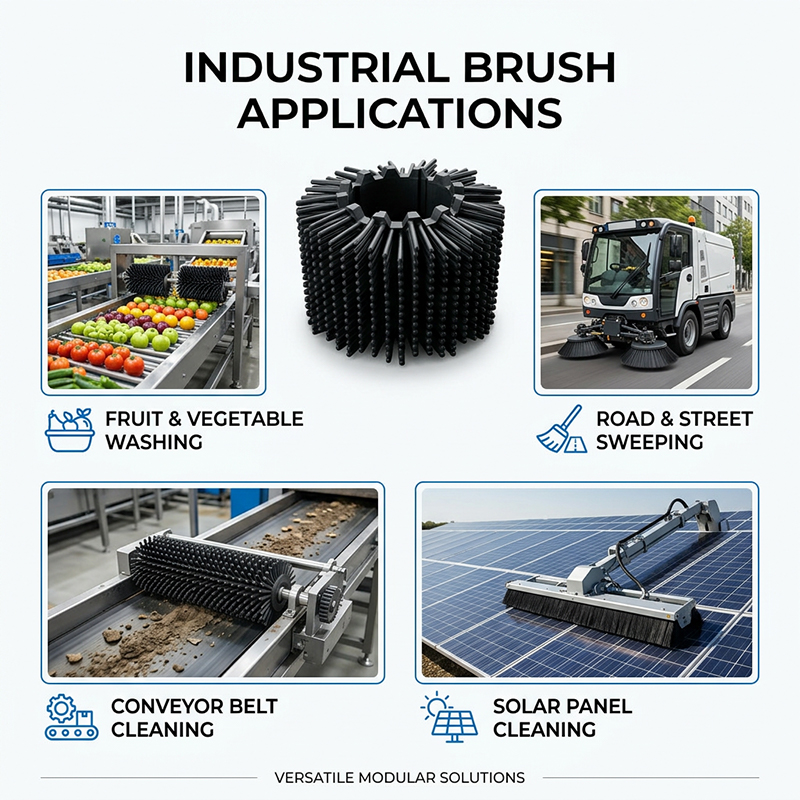
Rubber brush roller
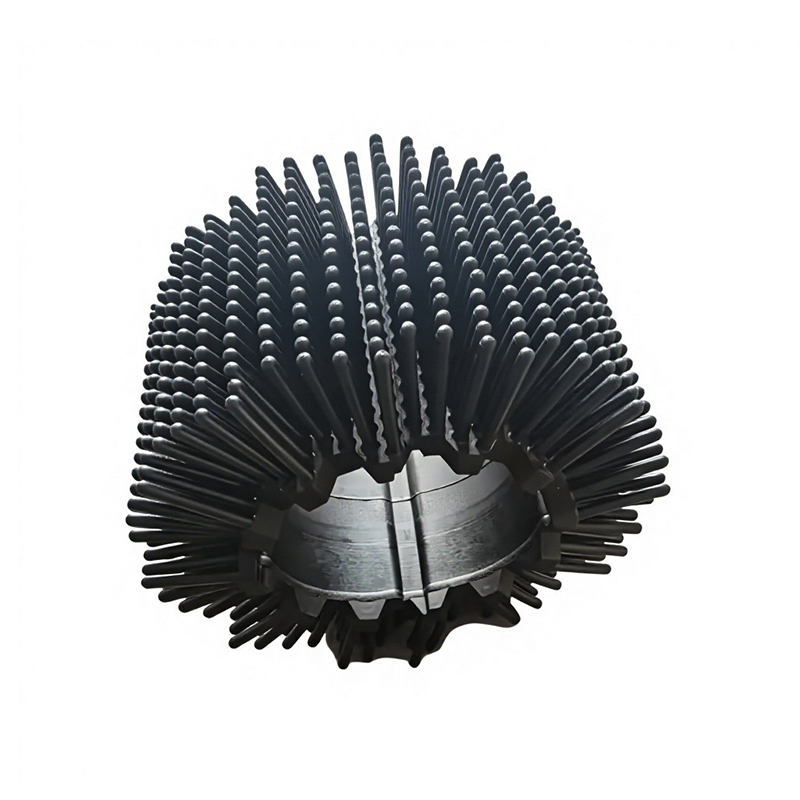
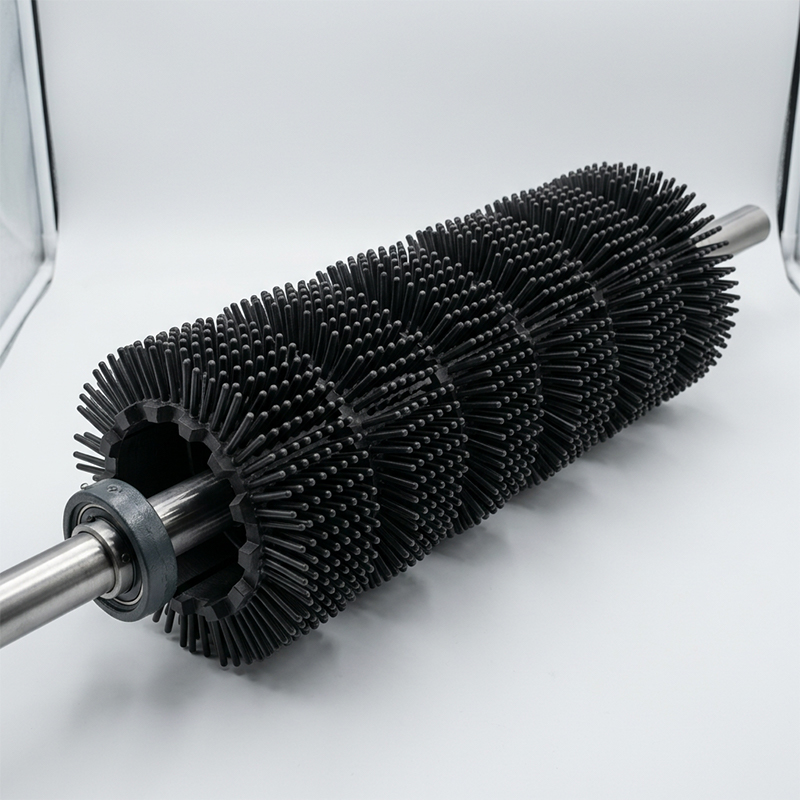
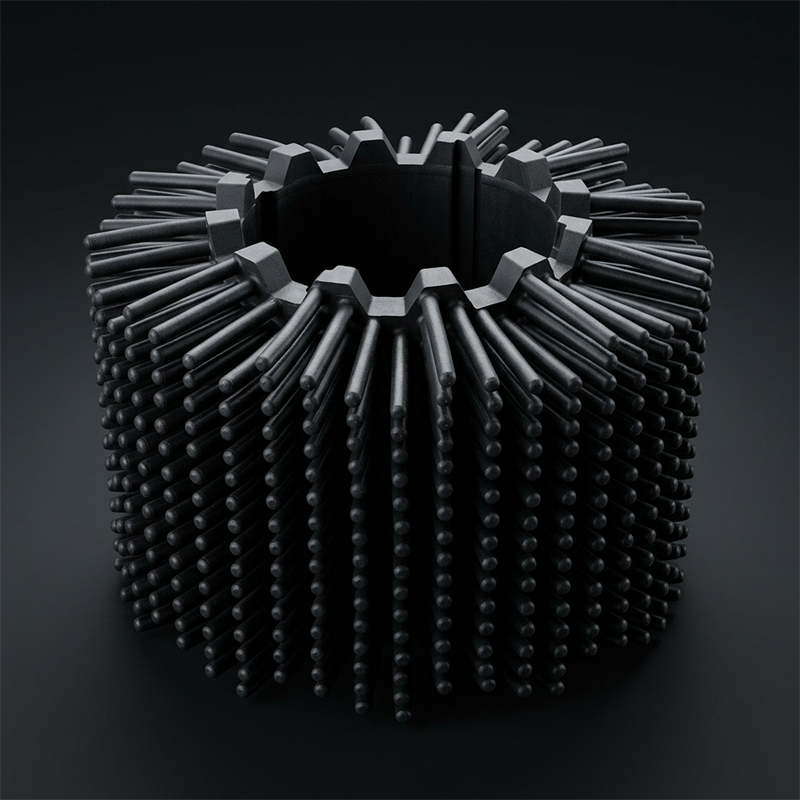
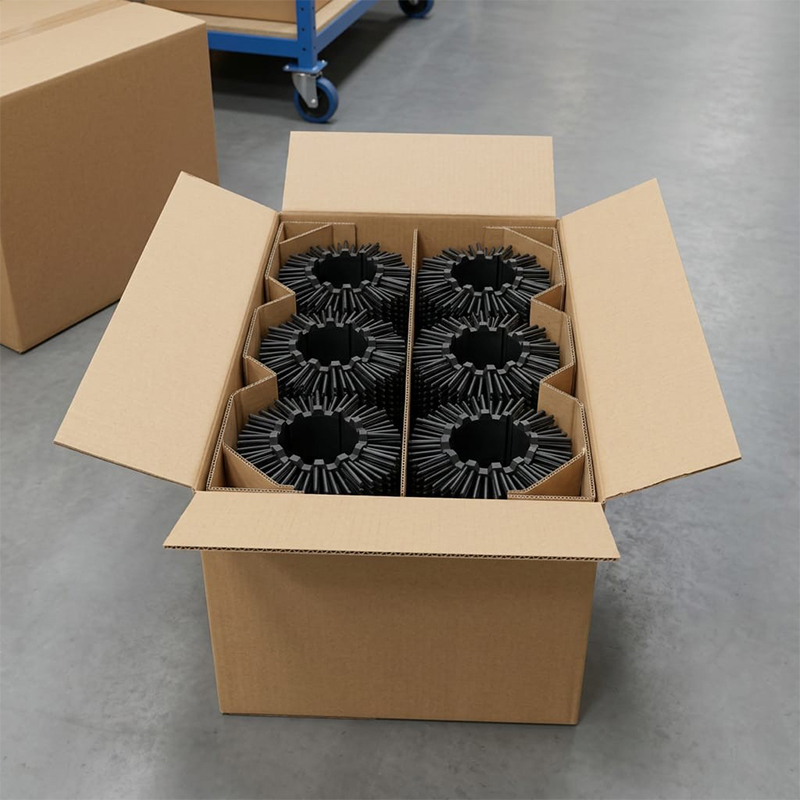
JQ Rubber manufactures rubber bristle discs that form the working cleaning element of the conveyor belt brush shaft. Each disc is a one-piece compression molded rubber component with a central hole and a dense array of radially projecting rubber fingers. The customer assembles several discs on a shaft, forming a complete cleaning shaft of the required working width.
Description
marker
Product Description
JQ Rubber manufactures rubber bristle discs that form the working cleaning element of the conveyor belt brush shaft. Each disc is a one-piece compression molded rubber component with a central hole and a dense array of radially projecting rubber fingers. The customer assembles several discs on a shaft, forming a complete cleaning shaft of the required working width.
We only supply rubber components. Shafts, bearings, supporting frames and all other mechanical elements are outside the scope of our supply.
Rubber disc - design and function
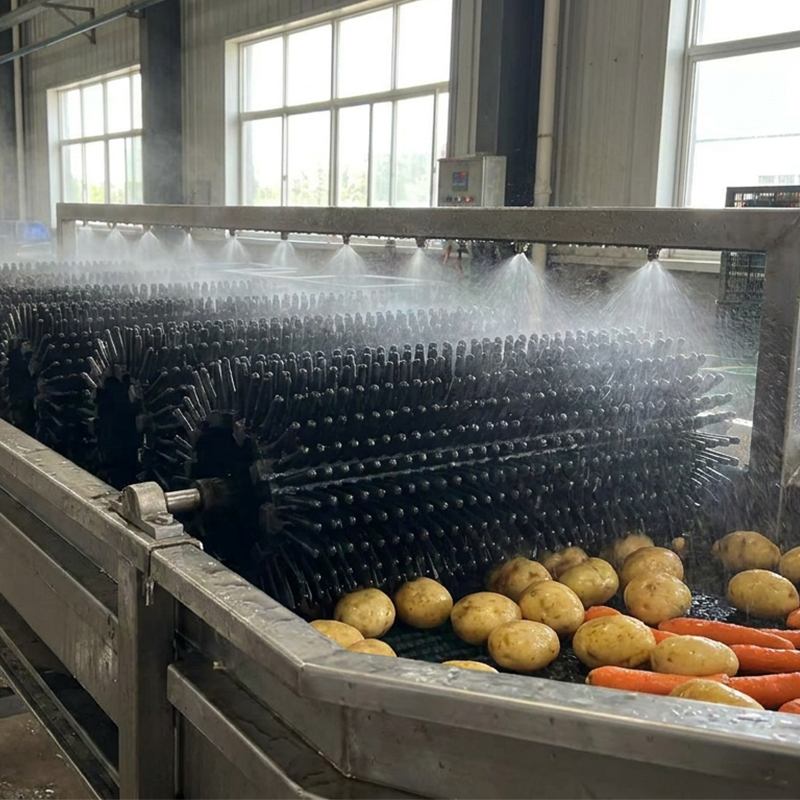
The disc is pressed as a single solid product. From a grooved or keyed center hub, hundreds of individual rubber fingers radiate out at a predetermined angle. Each finger is an independent flexible element: when the shaft rotates in contact with the moving belt, the fingers deviate upon contact, sweeping away contaminants from
surface of the belt and return to its original position in one continuous movement. The rounded ball tip of each finger maximizes surface contact without scratching or abrasion
tapes.
The nature of the deflection and recovery of the fingers is determined by the hardness and elasticity of the rubber compound, the cross-section of the finger and its length - all these parameters are specified by the customer’s drawing and confirmed during the selection process.
Rubber compound and material properties
The performance characteristics of the brush disk over its entire service life are largely determined by the selected rubber composition.
EPDM (base mix). EPDM - ethylene propylene diene rubber - is the standard compound for these brush disks. EPDM has excellent resistance to weathering, ozone, UV radiation and water, making it well suited for conveyor environments where the belt surface is exposed to the elements, moisture or washing. EPDM retains flexibility and elastic recovery over a wide temperature range and is resistant to permanent compressive deformation under prolonged contact load - an important property of a brush element that must be deflected and returned to its original position many times during operation. The EPDM mixture is produced by sulfur or peroxide vulcanization; The crosslinking system and filler content are adjusted to achieve the desired hardness and dynamic characteristics.
Other compositions on request For applications with special operating environment requirements, other rubber compounds may be specified:
| Mixture | Key properties | When to use |
| NR (natural rubber) | Exceptional elasticity and tear resistance; high bending fatigue life | High cycle frequency applications; moderate temperature |
| NBR (nitrile rubber) | Resistant to oil, grease and hydraulic fluids | Conveyor operating conditions with hydrocarbon contamination |
| SBR | Good wear resistance; economical option | General applications where EPDM is not required |
The standard hardness range for brush pads is 50–70 Shore A. Softer compounds produce more flexible fingers with less contact pressure; Harder mixtures increase stiffness and contact force. Suitable hardness is confirmed taking into account the belt type, belt speed and duty cycle specified by the customer.
Production process
Rubber brush discs are produced by compression molding:
1. Mix Preparation - EPDM mix (or specified alternative) is mixed and calendered to the required hardness specification
2. Cutting blanks - blanks from the mixture are cut with a given weight and shape of the preliminary blank
3. Loading the mold - the workpieces are placed into the cavity of a precision steel mold
4. Vulcanization - the mold is closed under the pressure of a hydraulic press and heated; rubber fills finger cavities and vulcanizes to final geometry
5. Removing flash - excess rubber along the parting line is cut off; Inspects molded bolt holes or center hole features
6. Dimensional control - the outer diameter, the diameter of the central hole, the length of the fingers and the density of their arrangement are checked according to the customer’s drawing
The steel mold is manufactured in-house by JQ Rubber's tooling division, allowing precise control of pin geometry and consistent sizing for repeat orders.
How to place an order
Provide one of the following:
Technical drawing - outer diameter of the disc, diameter of the central hole and key/spline profile, pin length, number of rows of pins and distance between them, mixture hardness
Worn disk sample - we measure and restore the geometry; the mixture is selected by analyzing the material or confirmed by the customer
Full dimensional data with description of the working environment (belt type, speed, contamination)
contact us
Related Popular Products
Rubber bushings
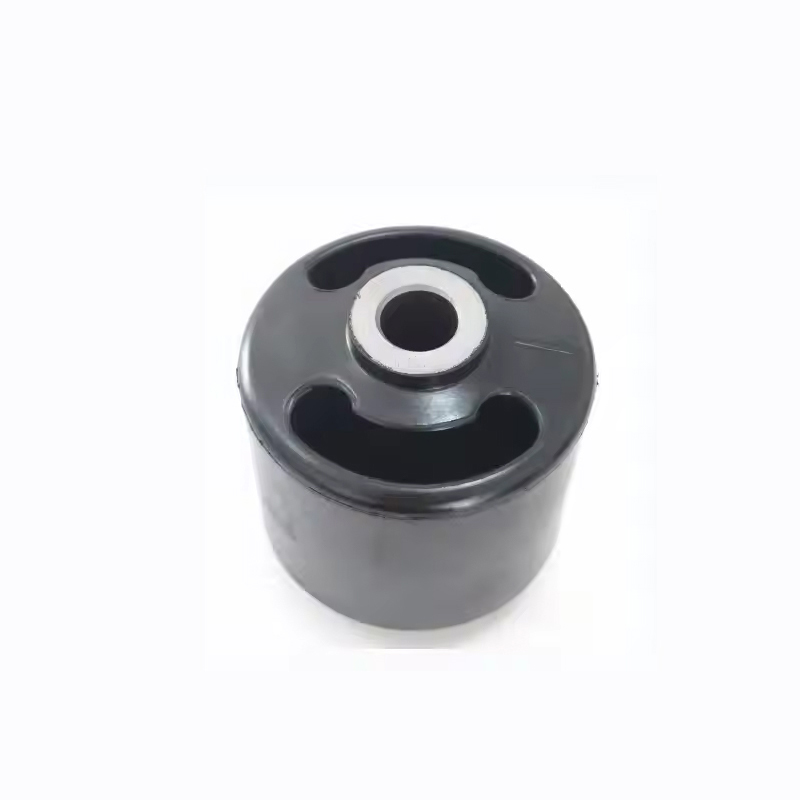
A rubber bushing in a suspension or shock absorber provides a resilient connection between metal components. Its main functions are vibration absorption, noise reduction (preventing the transmission of road and transmission noise to the car body) and compensation of angular and linear movements during suspension travel.
Fuel tanks and fuel level sensors
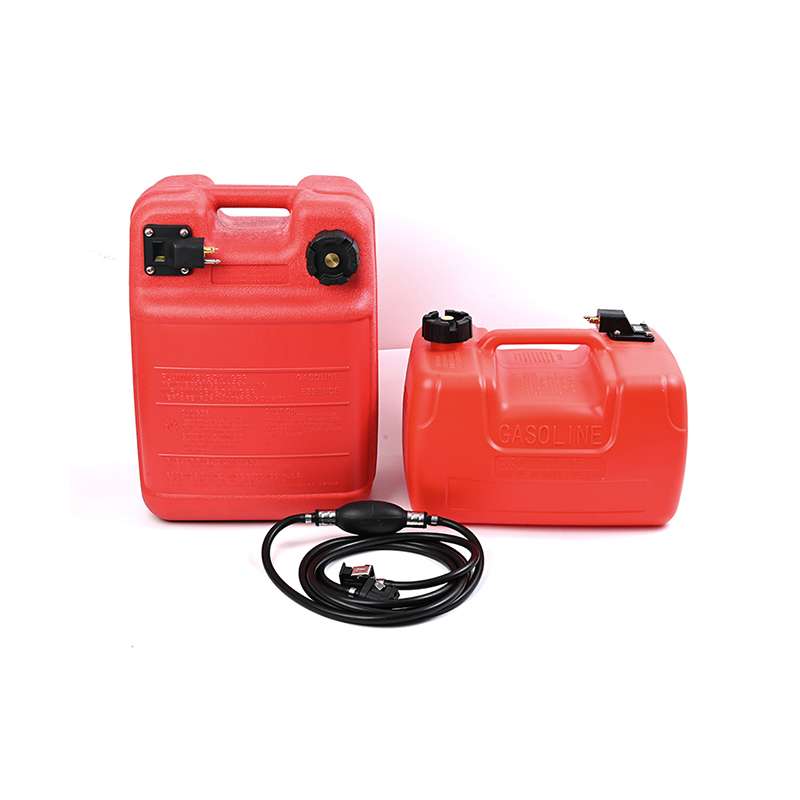
Outboard motors with an external portable fuel tank use a self-contained fuel supply system: a tank with a built-in fuel level indicator, a manual pump, a fuel hose and quick connectors. All components must work together, and each is a serviceable part subject to wear and replacement.
Water pump impellers
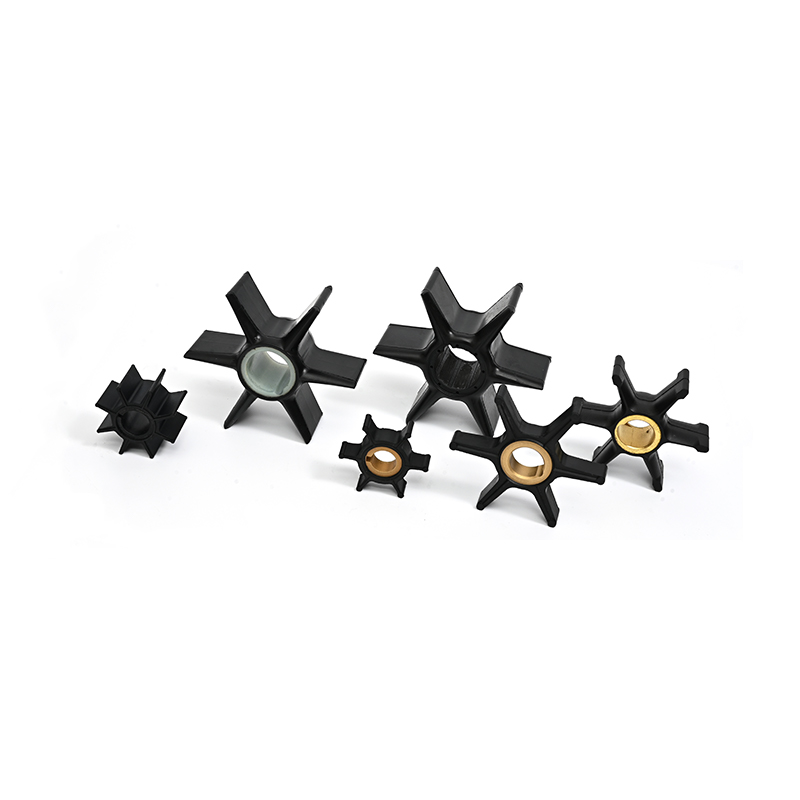
To cool the outboard motor, a continuous open water circuit is used: the seawater pump draws water from outside the boat's hull, pumps it through the engine block, and discharges it through the exhaust.
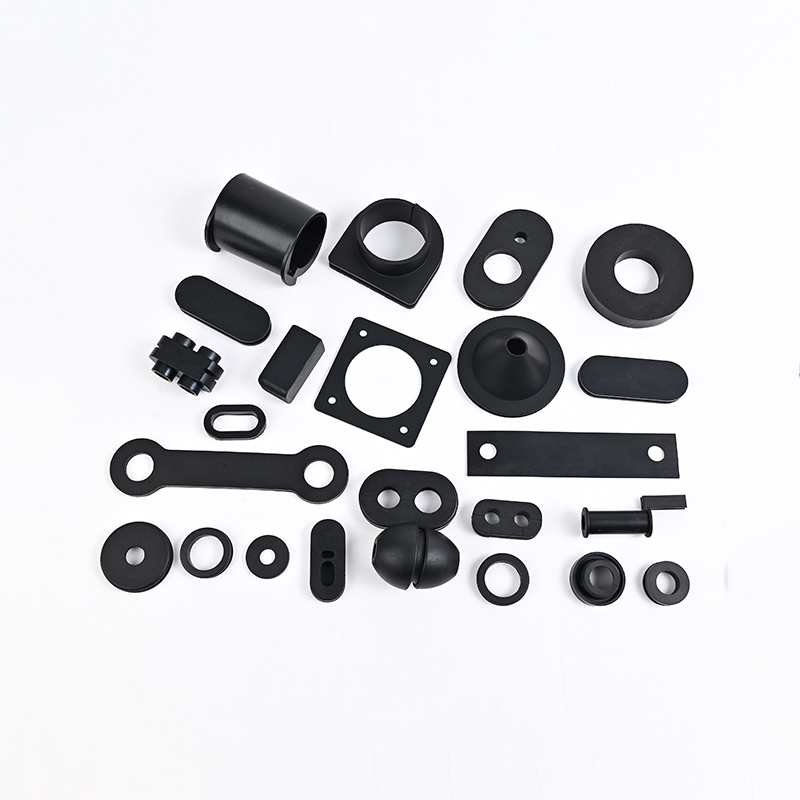
Rubber grommets/cable sealing grommets
Rubber grommets are a resilient ring installed in a mounting hole in a metal panel, bulkhead, or enclosure to allow cables, tubing, or wiring harnesses to pass through.
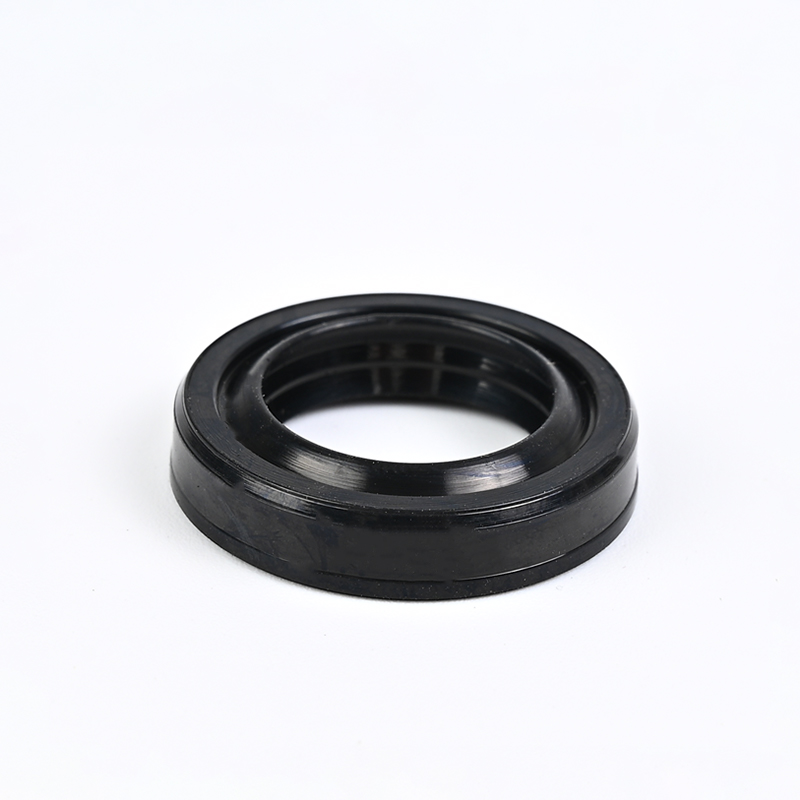
Oil seals
The outboard motor operates in constant contact with water - fresh or salt. The lower gear housing contains gear oil, which must remain isolated from surrounding water. This separation is ensured by seals on the propeller, drive and intermediate shafts.
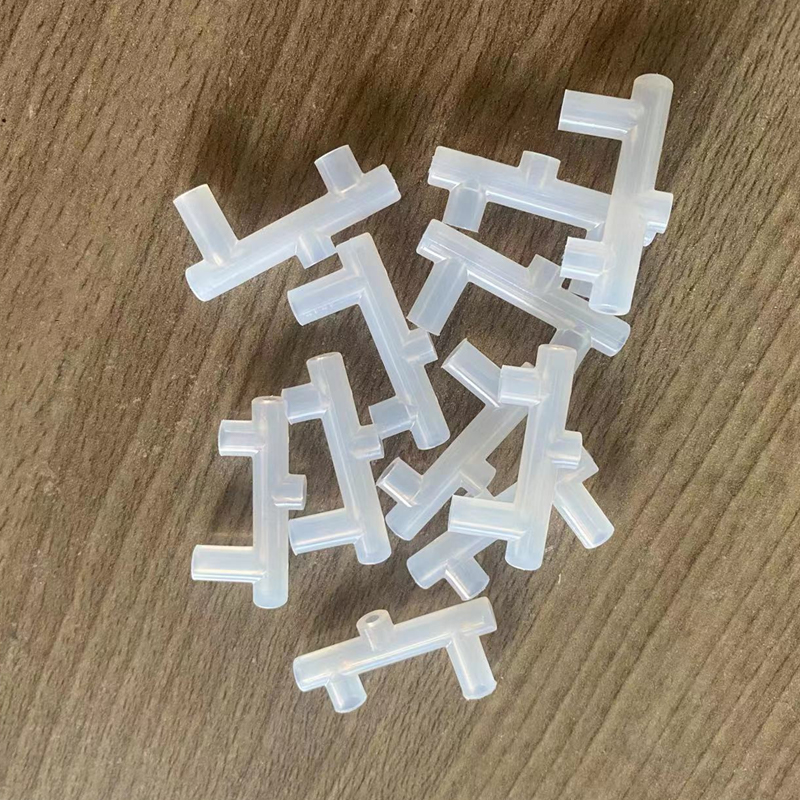
Four Way Pipe / Silicone Parts for Medical Products
JQ Rubber manufactures custom silicone T-connectors and multi-port tube fittings using compression molding or injection molding. Parts shown are small T-fittings made of translucent food grade silicone; Each fitting connects one inlet to two outlets, separating the flow of liquid or gas.
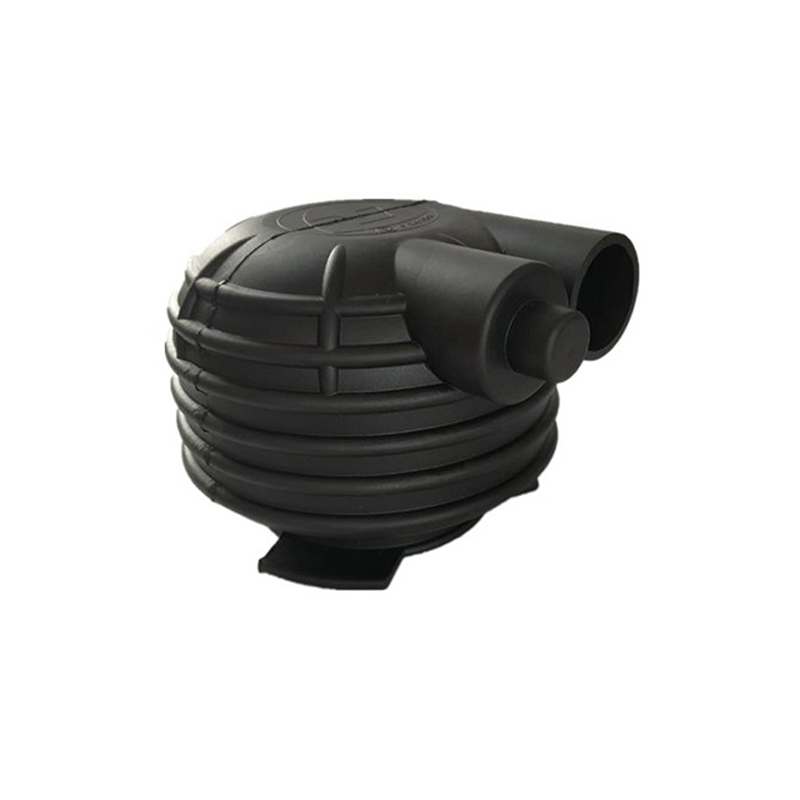
Custom molded rubber products (general industry)
Custom molded rubber parts are produced by placing an unvulcanized rubber compound into a precision steel mold and applying heat and pressure to vulcanize the rubber into a specified shape.
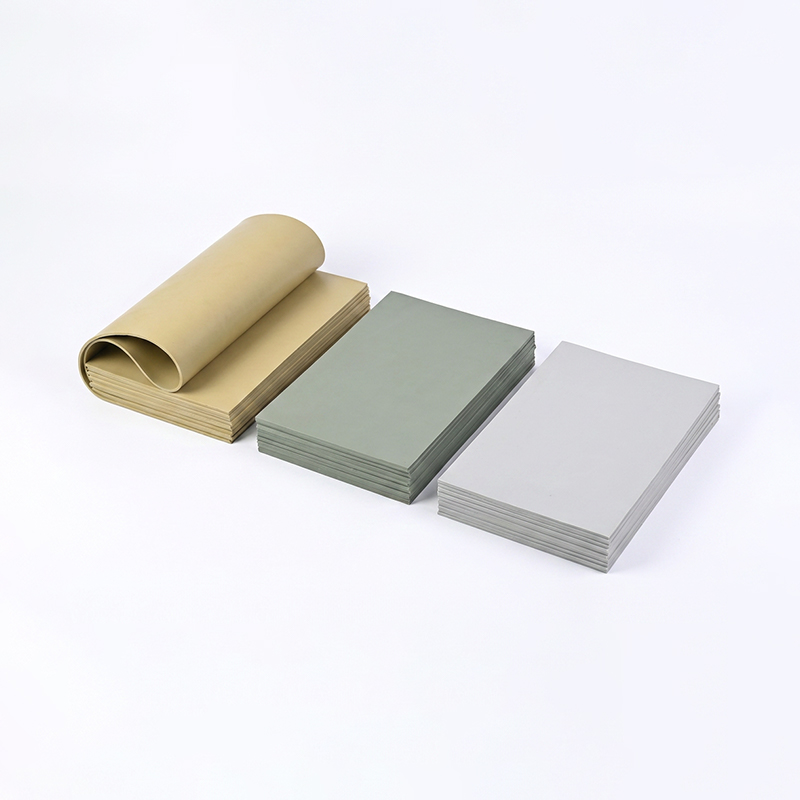
Rubber plates for laser engraving
Laser engraving rubber sheets are the main consumable material for making automatic and traditional rubber stamps using CO₂ laser engraving equipment. It is used by stamp shops, laser engraving shops, office and stationery distributors, and wholesale suppliers of materials to stamp manufacturers.
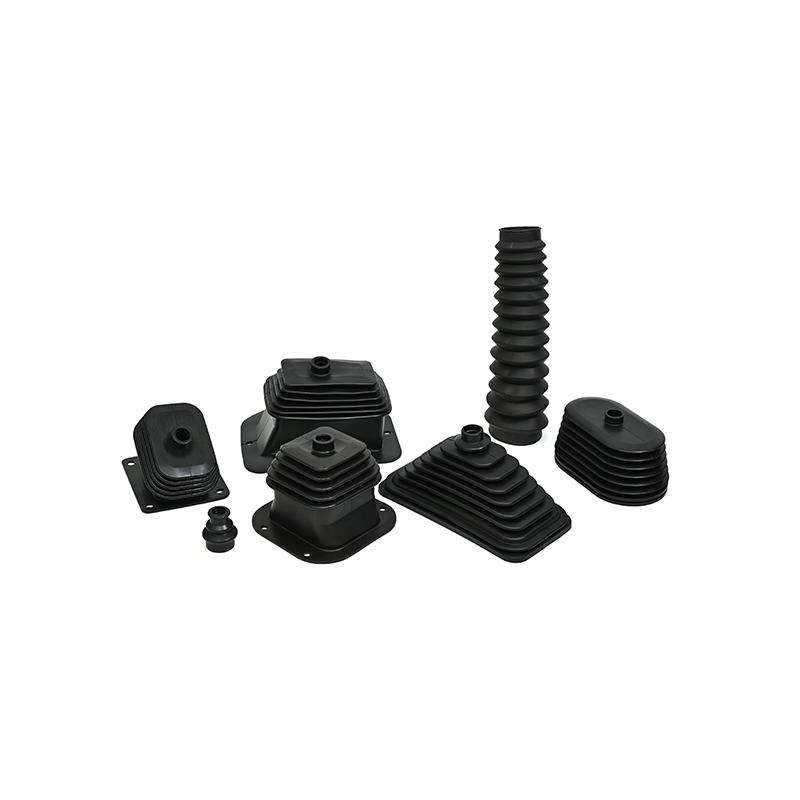
Rubber boots / telescopic boots
A rubber telescopic boot - corrugated or folded - stretches and contracts with the movement of the shaft, rod, lead screw or cylinder. It forms a continuous protective barrier between the work surface and the external environment.
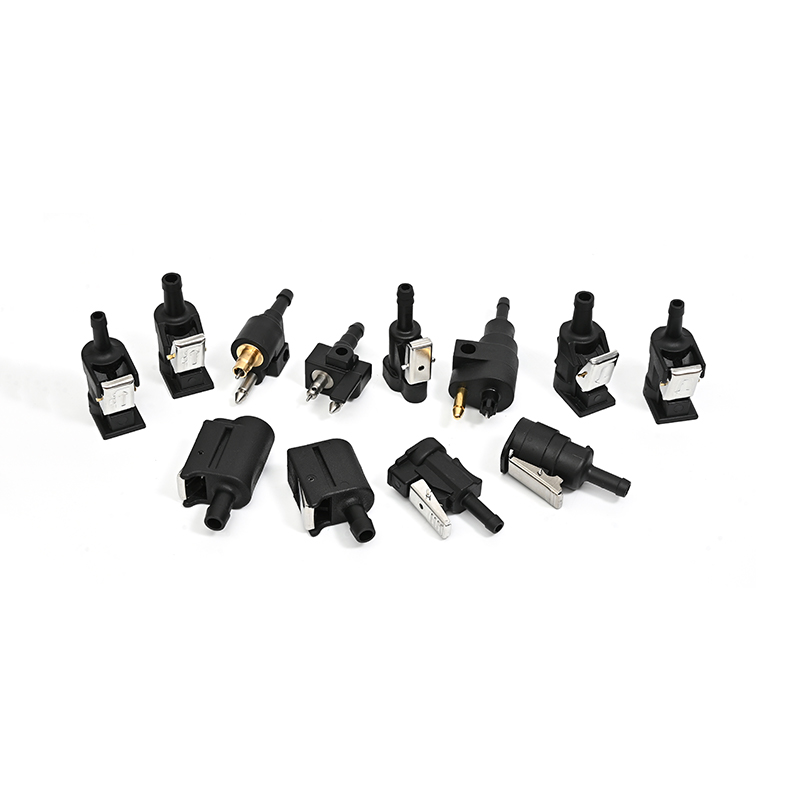
Plastic fittings
The fuel connector is a quick-disconnect fitting that supplies fuel from the outboard motor's portable tank to the engine. The system consists of two parts: a tank-side connector and an engine-side connector, each available in a male or female version.
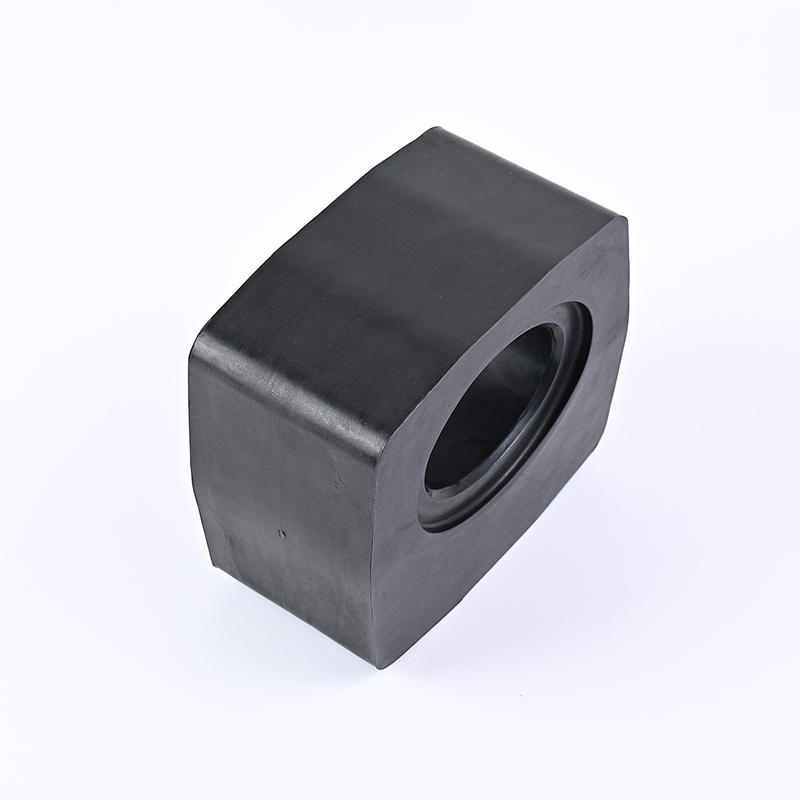
Counterweights for forklifts
JQ Rubber manufactures solid rubber counterbalance blocks for forklift counterbalance systems. The blocks are compression molded from a high-density rubber compound and have one or more pre-molded bolt holes for direct bolting to the counterweight frame.
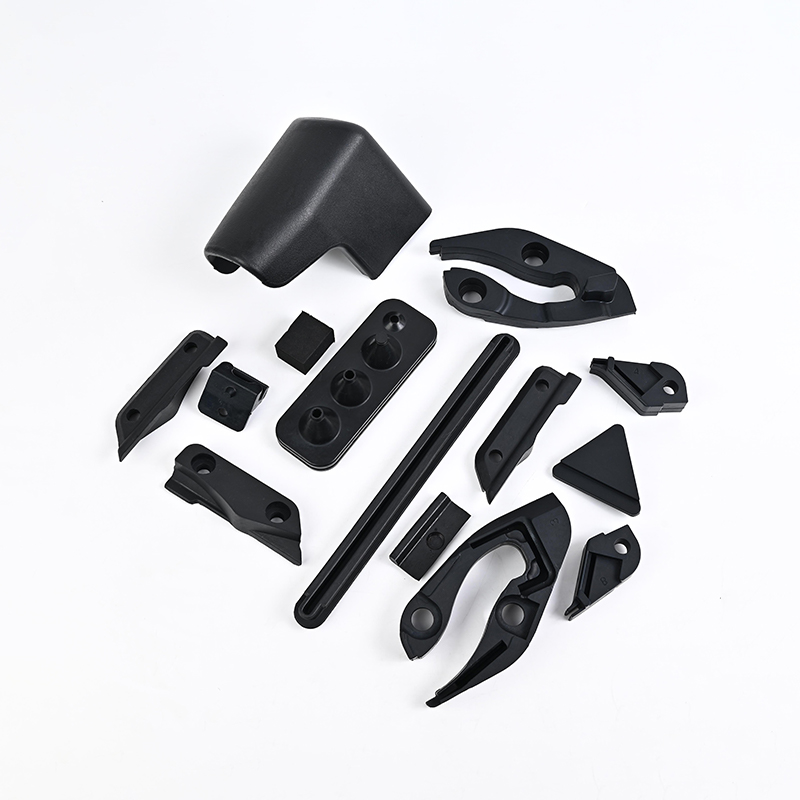
Accessories for agricultural machinery
JQ Rubber manufactures a wide range of custom molded rubber parts for agricultural equipment, including tractors, combine harvesters and other farm equipment.
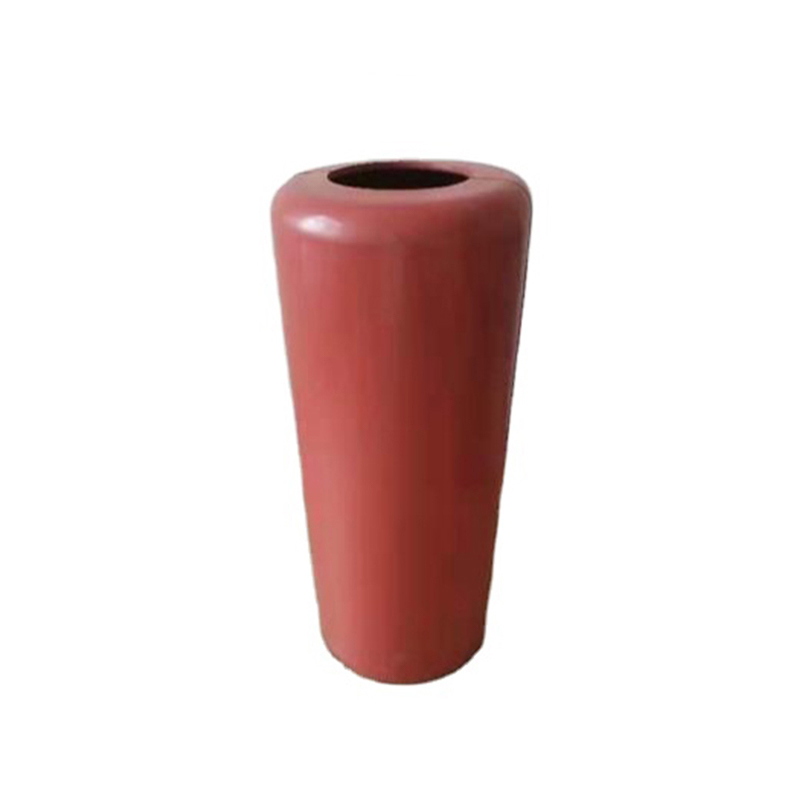
Rubber cylinders and membranes
Rubber cylinders and membranes are sealed or open-ended flexible rubber elements that change volume or transmit force under the influence of liquid or gas pressure.
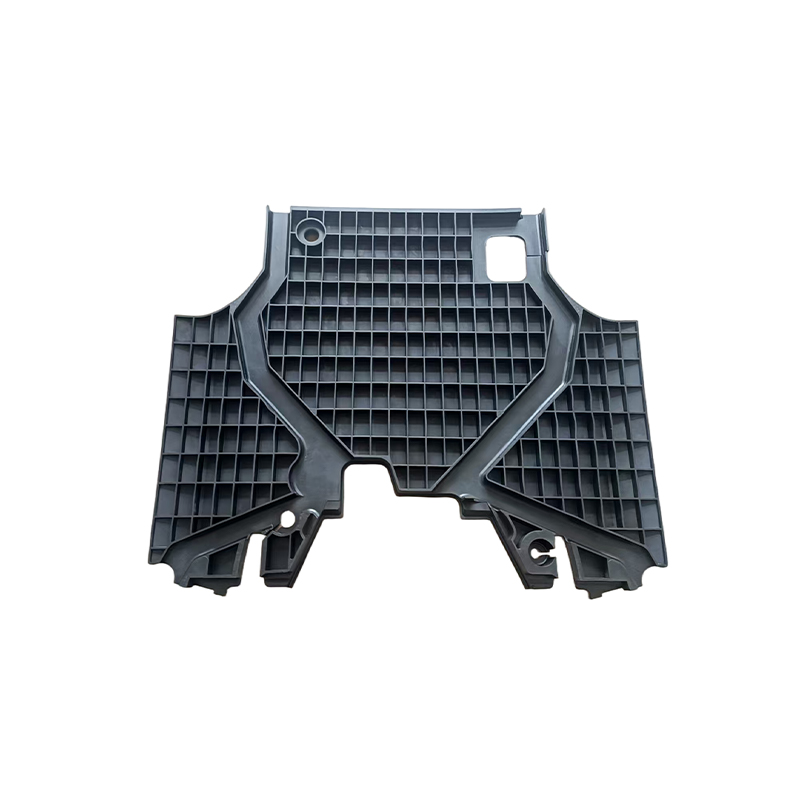
Mats for construction equipment
Rubber mats and pedal pads are functional components of the tractor and agricultural machine cab that provide operator traction with controls, reduce vibration load on the feet and knees, and also protect the metal surfaces of the floor and pedals from wear and slipping.
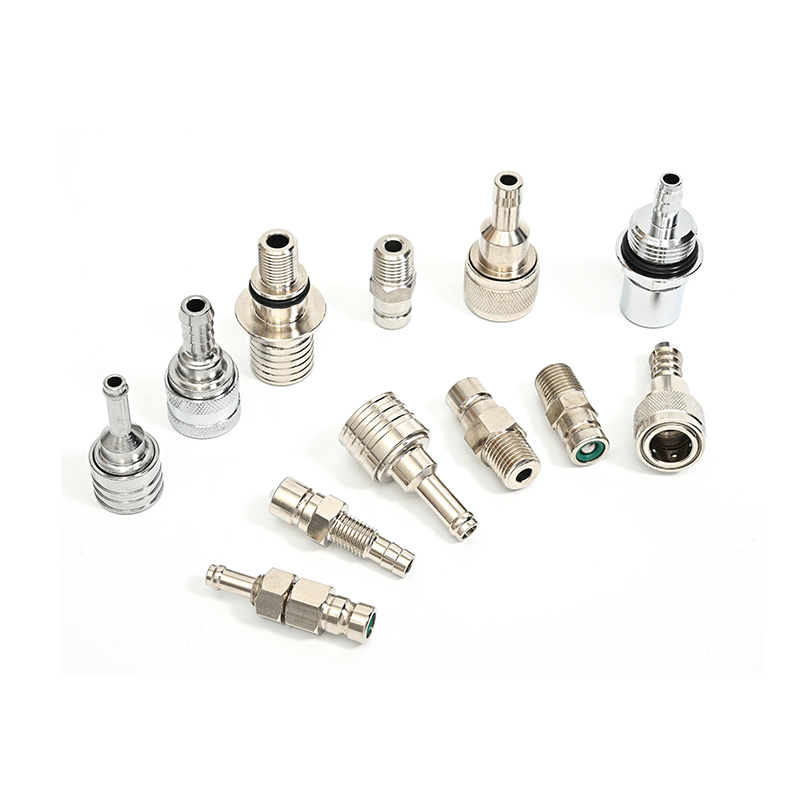
Metal fittings
The fuel connector is a quick-disconnect fitting that supplies fuel from the outboard motor's portable tank to the engine. The system consists of two parts: a tank-side connector and an engine-side connector, each available in a male or female version.
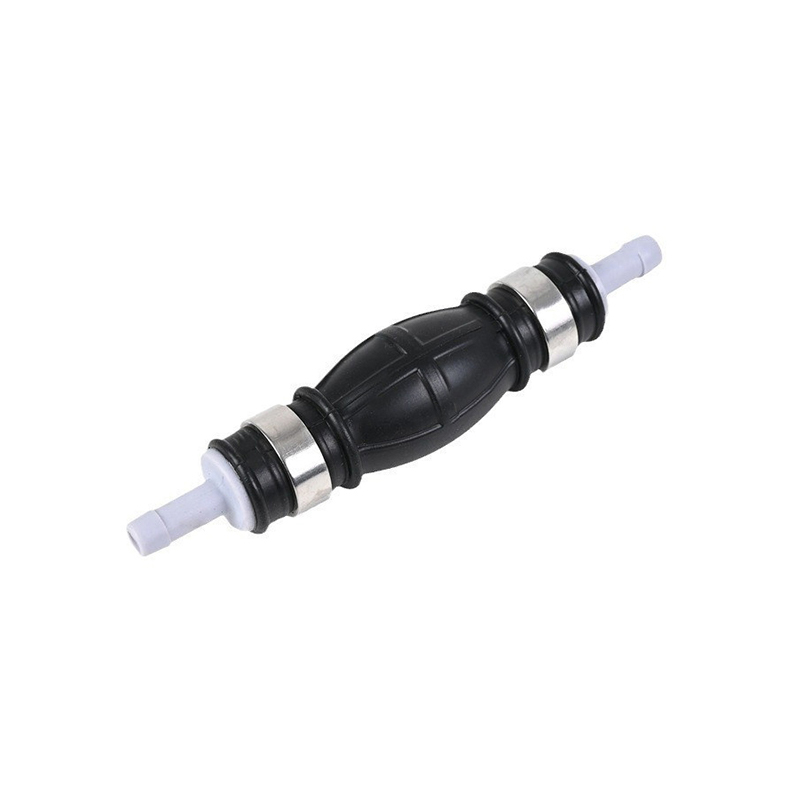
Manual fuel pumps
Manual Primer Bulb - A squeezable fuel resistant rubber bulb with two built-in one-way check valves used to manually prime the fuel line before starting the outboard motor.