

-


-


-
-


-
-


-


whatsapp

-
WeChat

-
Telegram

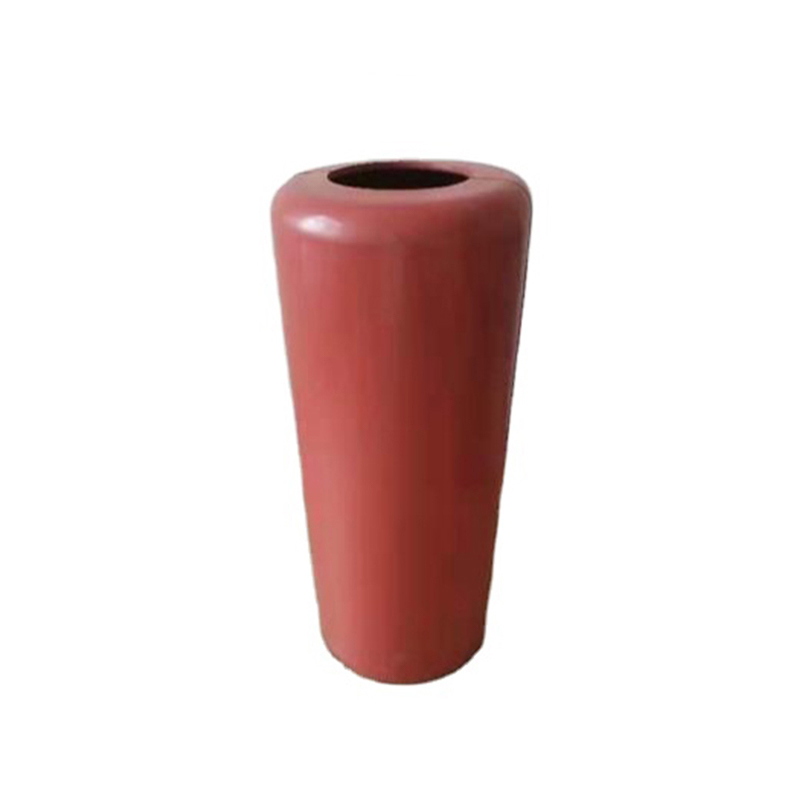
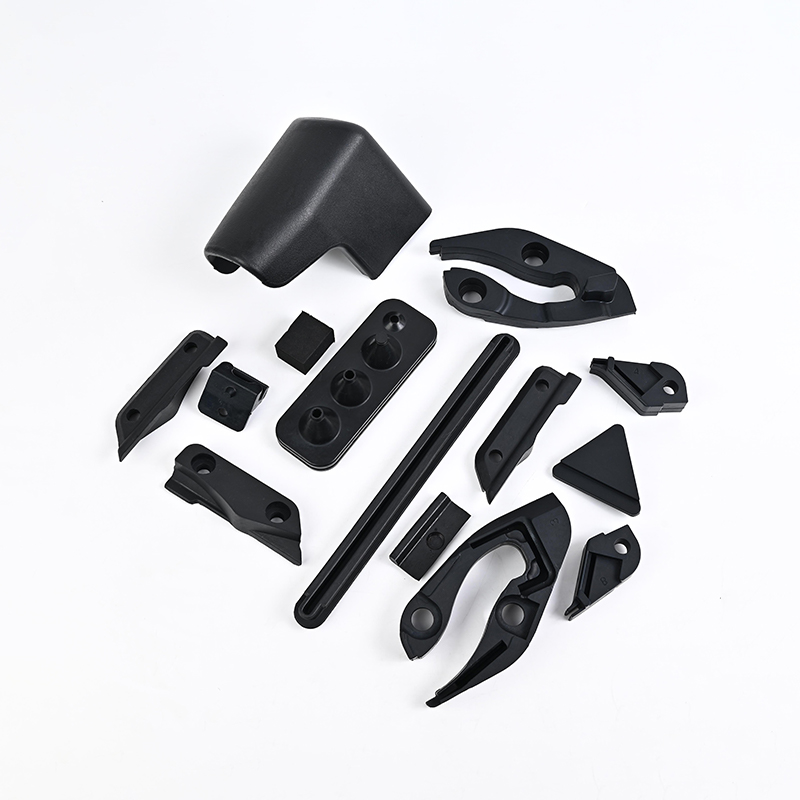
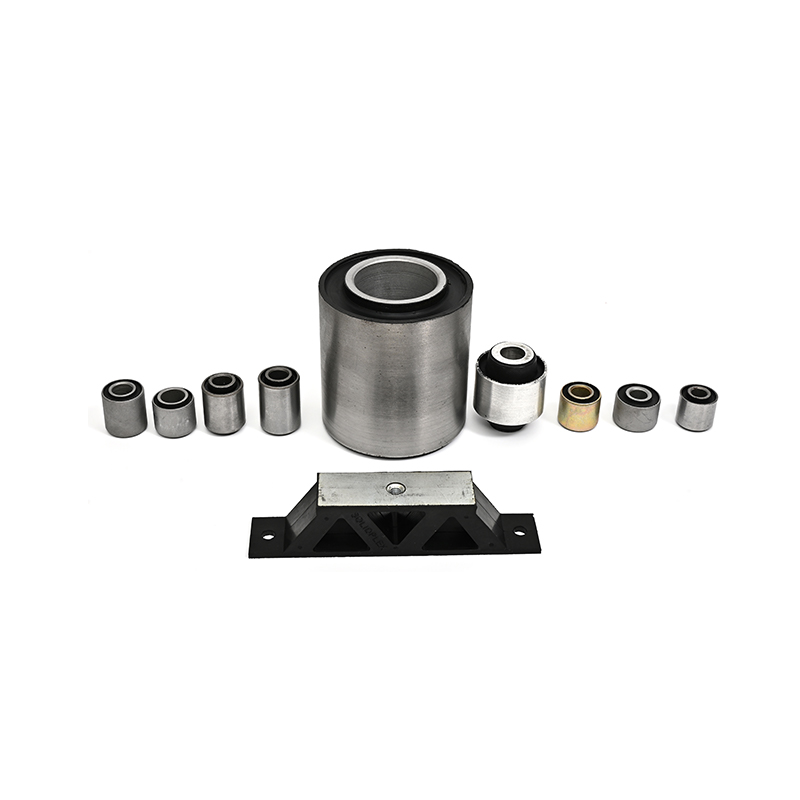
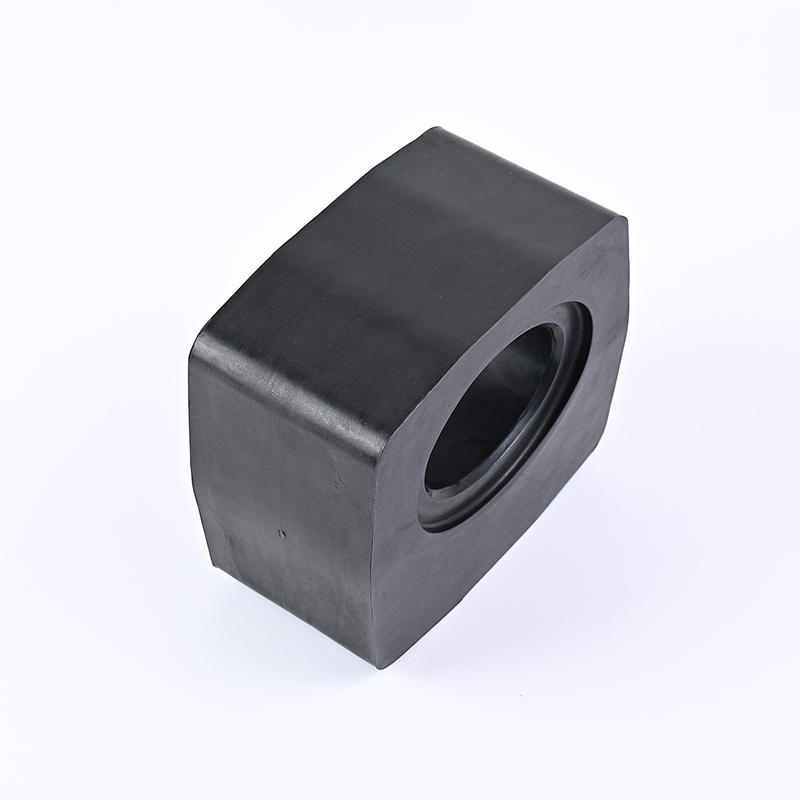
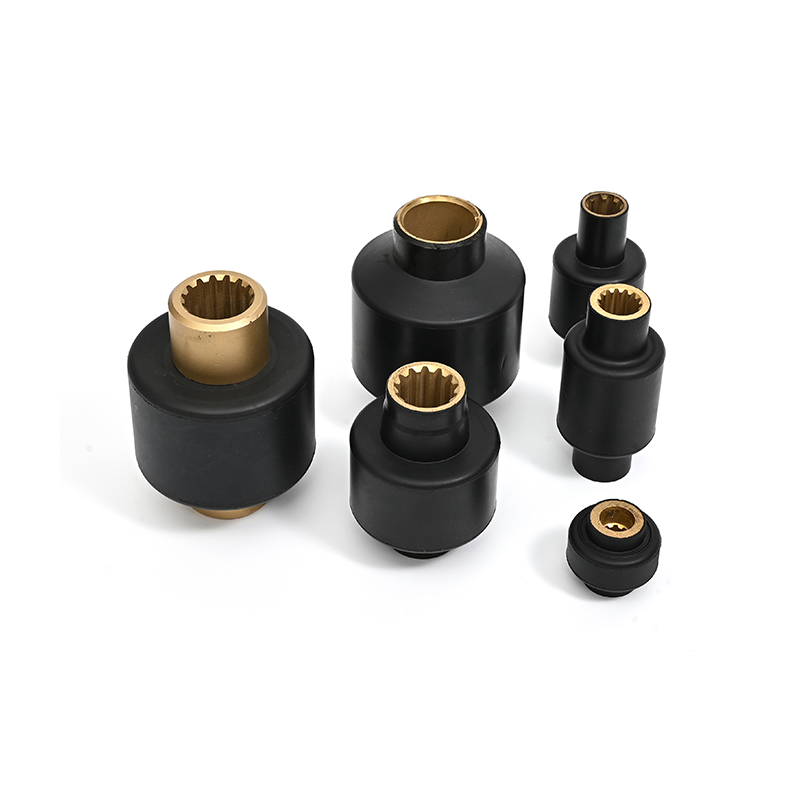
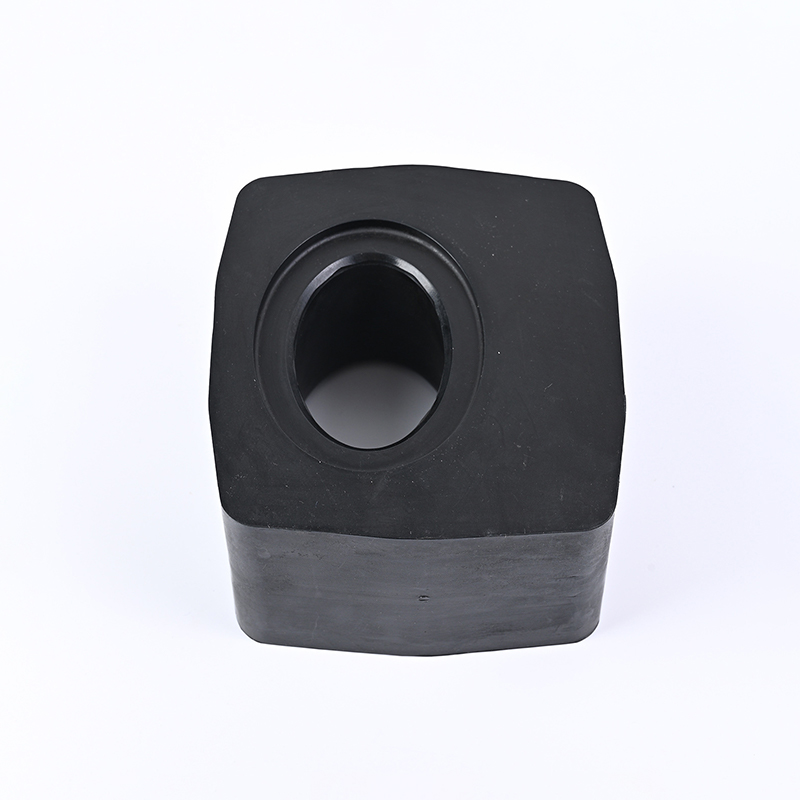
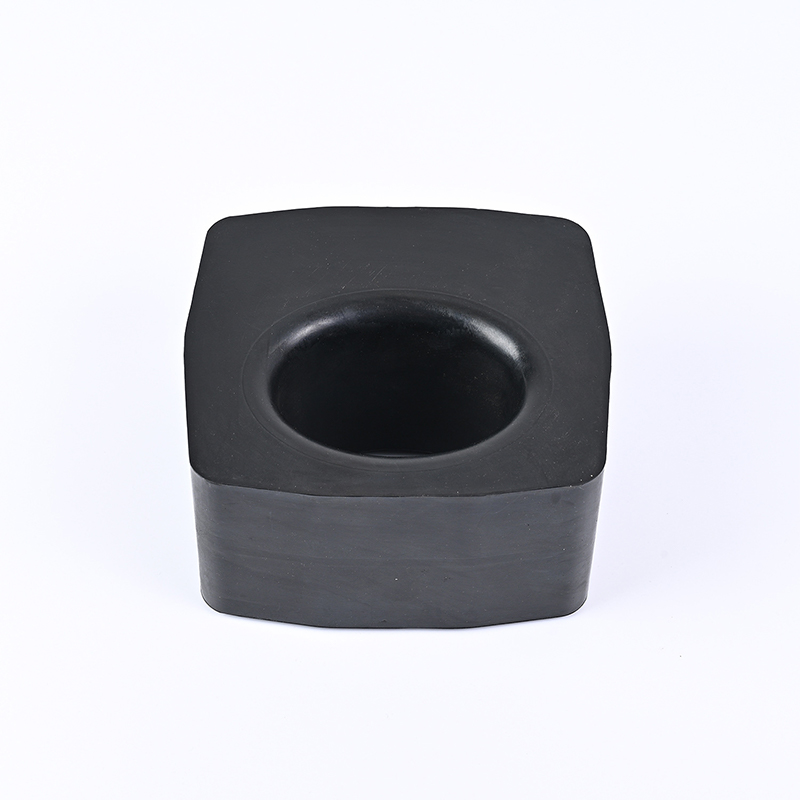
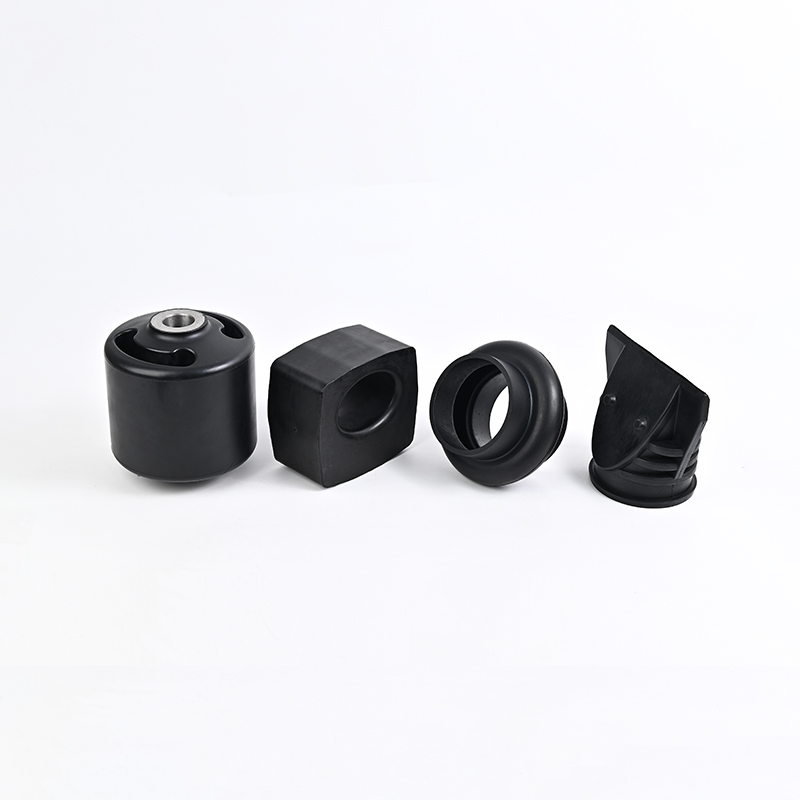
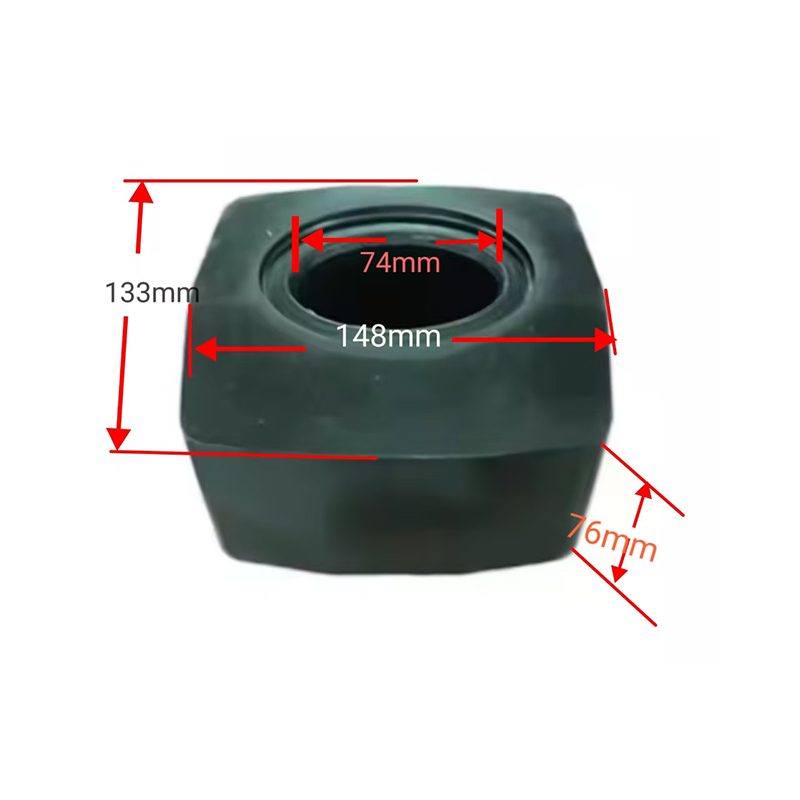
Counterweights for forklifts
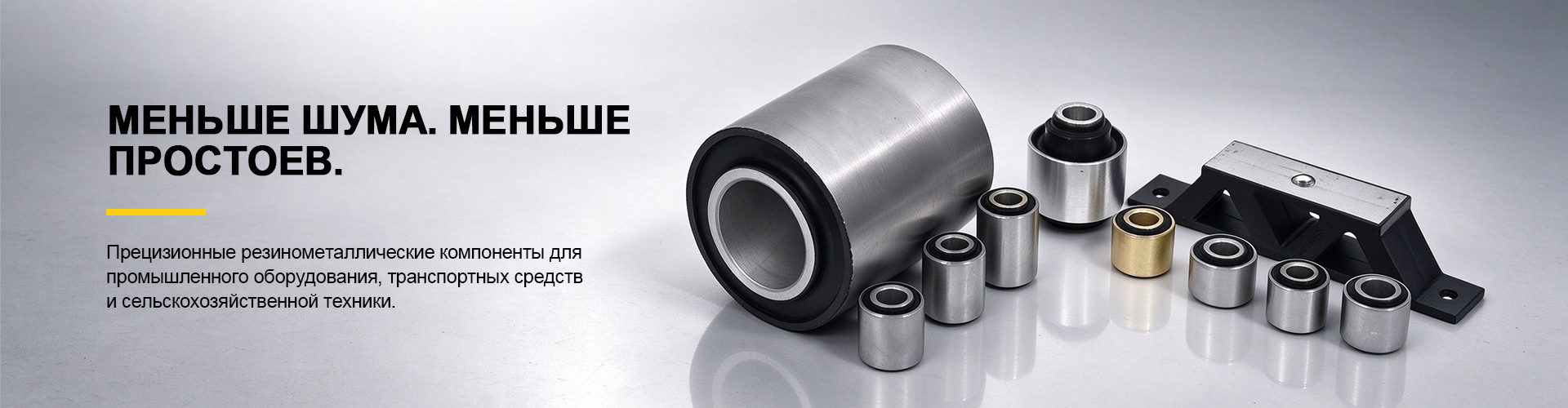
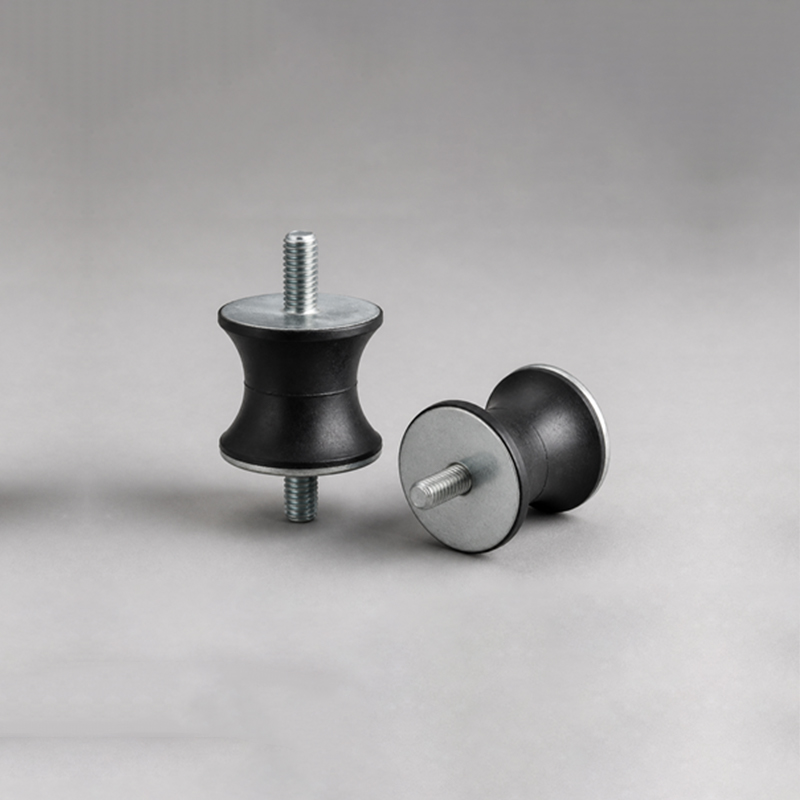
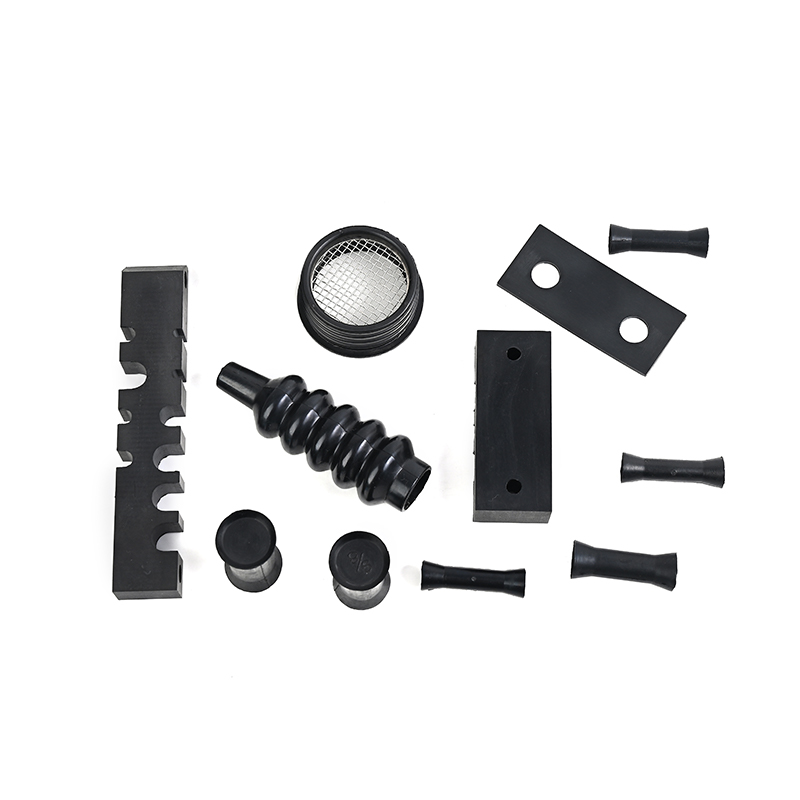
JQ Rubber manufactures solid rubber counterbalance blocks for forklift counterbalance systems. The blocks are compression molded from a high-density rubber compound and have one or more pre-molded bolt holes for direct bolting to the counterweight frame.
Description
marker
Product Description
JQ Rubber manufactures solid rubber counterbalance blocks for forklift counterbalance systems. The blocks are compression molded from a high-density rubber compound and have one or more pre-molded bolt holes for direct bolting to the counterweight frame. Suitable metal fasteners - including bolts, brackets and mounting plates - can be selected and supplied with rubber components upon request.
All dimensions and specifications of the mixture are determined by the customer's drawing or sample. Standard catalog sizes are not kept in stock.
Design and function
The counterbalance block of the forklift is a solid molded rubber part with a large cross-section. Its main function is to contribute to the total counterweight at the rear of the forklift, counterbalancing the load moment generated when carrying a pallet or load on the forks at the front.
A molded bolt hole extends through the body of the block, allowing it to be bolted directly to the steel counterweight bracket. The profile of the mounting surface is determined by the customer's drawing to ensure a tight fit to the frame and prevent wobbling or shifting under load.
Unlike steel or cast iron ballast blocks, rubber counterbalance blocks provide the added benefit of their inherent damping properties to absorb surface shock and vibration transmitted through the chassis when driving over uneven warehouse floors or site surfaces. This reduces stress on the counterweight mounting frame and reduces vibration reaching the operator.
Rubber compound
The mixture chosen for the counterweight blocks must simultaneously provide two properties: high density to obtain the required mass in the available volume and sufficient mechanical strength to resist cracking or deformation under prolonged compressive load in the mounting bracket.
Typical base compounds for this application include high-density NR (natural rubber) and SBR (styrene butadiene rubber) based compounds; High specific gravity fillers can be added to both to achieve the required mass to volume ratio. The specific mixture and recipe are agreed upon with the customer at the stage of preparing a commercial proposal based on the target mass, block dimensions and operating conditions.
Production process
Counterweight blocks are manufactured using compression molding:
1. Preparation of the mixture - the high-density mixture is mixed until the required specific gravity and hardness are obtained
2. Preparation of the workpiece - a workpiece of the required mass is pre-formed from the mixture
3. Loading the mold - the workpiece is placed in a steel mold; install rods that form holes for bolts
4. Vulcanization - the mold is closed under pressure from a hydraulic press and heated to vulcanize the rubber to its final geometry
5. Flash removal and control - the flash is cut off along the parting line; The dimensions of the bolt holes, block geometry and surface condition are checked according to the customer’s drawing
The mold is manufactured in-house by JQ Rubber's tooling division, ensuring precise dimensional control and consistent geometry for repeat orders.
How to place an order
Provide one of the following options:
- Technical drawing - overall dimensions of the block (L × W × H), diameter and position of the bolt hole, requirements for hardness and density of the mixture
- Worn or damaged sample - we measure, weigh and reconstruct the geometry and specification of the mixture using reverse engineering
- Loader model and counterweight position with required additional mass - we recommend a feasible block geometry
contact us
Related Popular Products
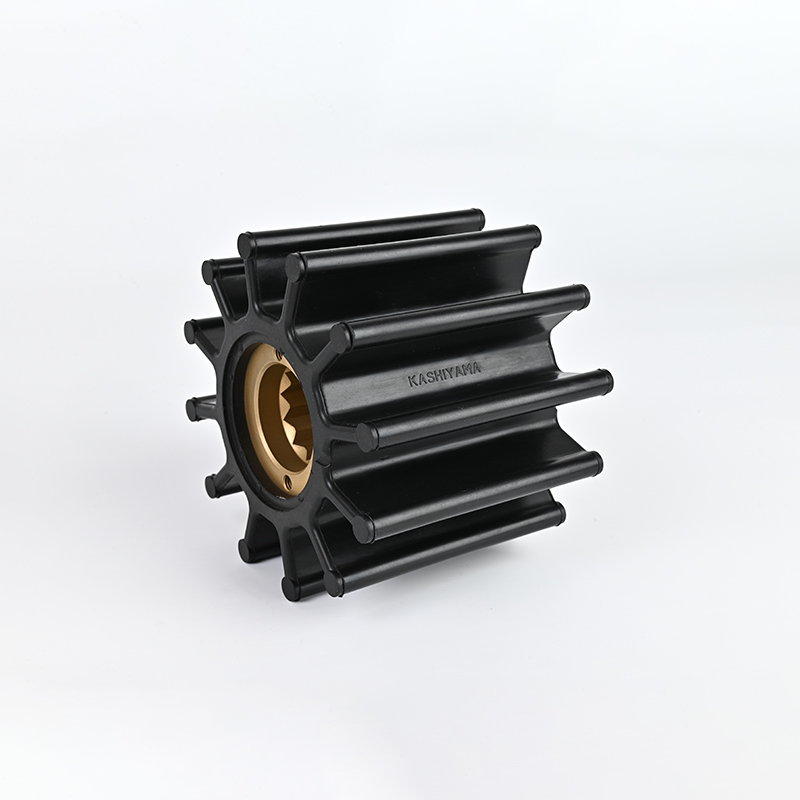
Flexible impellers (for stationary engines)
A flexible impeller is a rubber working element installed in a positive-displacement centrifugal pump, most often in the seawater pump of a stationary marine engine cooling system. As the impeller rotates inside the eccentric pump casing, its flexible blades bend and straighten to pump and draw seawater through the cooling circuit.
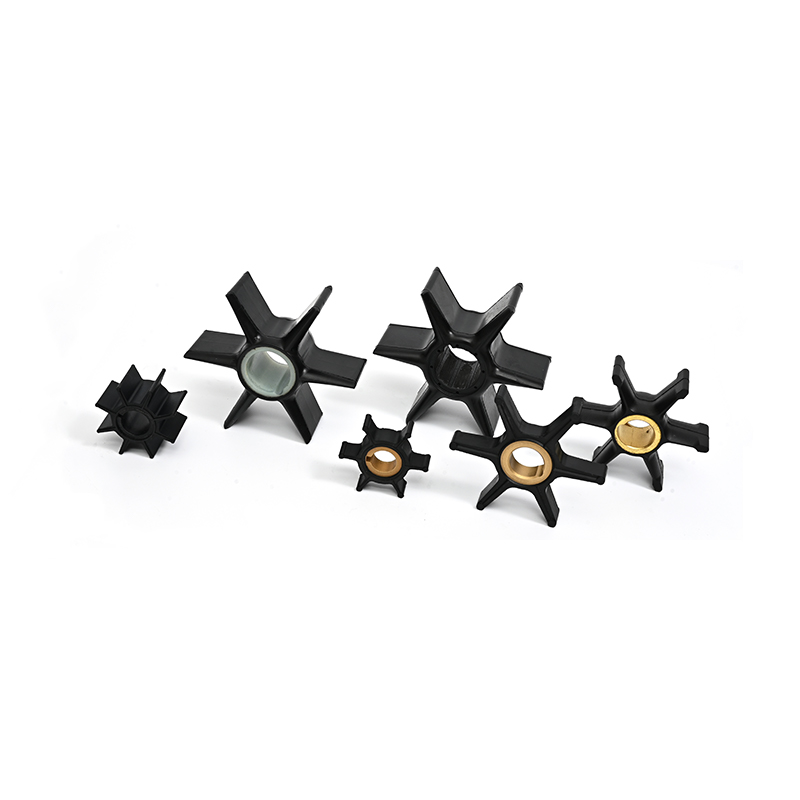
Water pump impellers
To cool the outboard motor, a continuous open water circuit is used: the seawater pump draws water from outside the boat's hull, pumps it through the engine block, and discharges it through the exhaust.
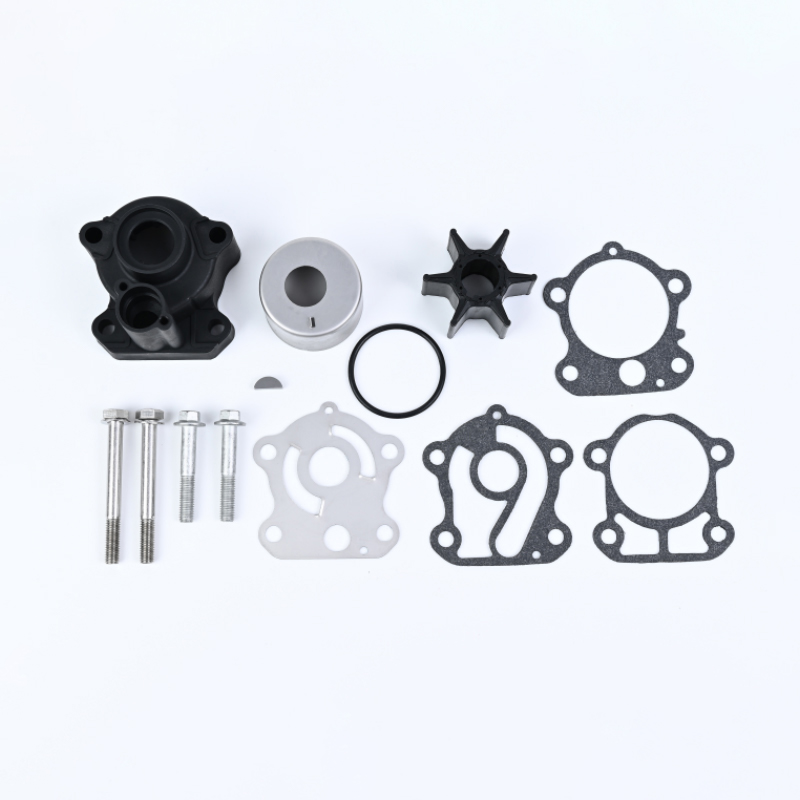
Water pump repair kits
The outboard motor's cooling system operates as an open water loop: the pump draws seawater from outside the boat's hull, pumps it through the engine, and discharges it through the exhaust.
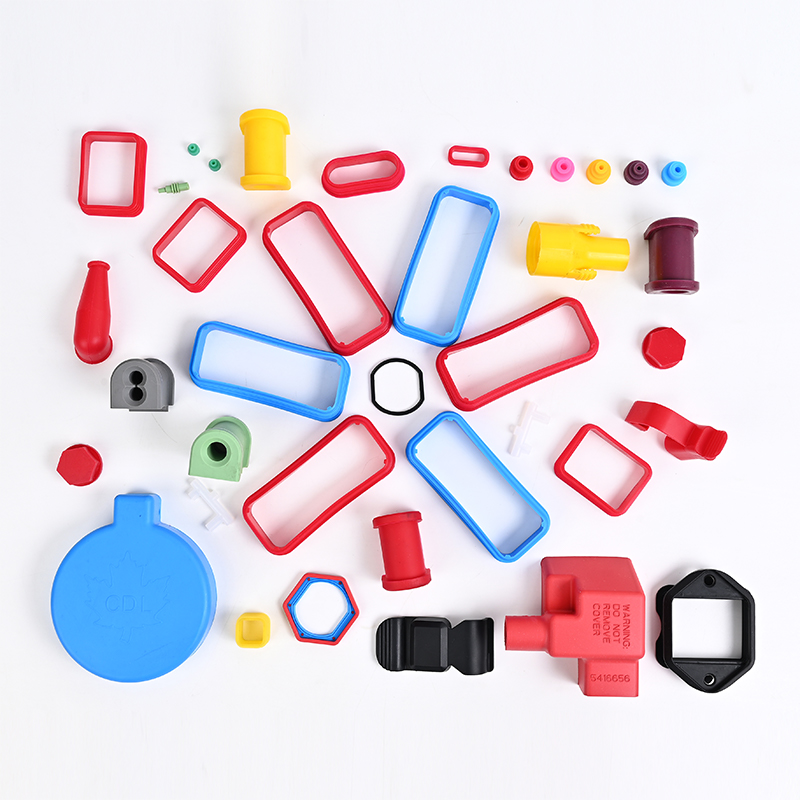
Silicone cable assemblies
JQ Rubber manufactures a wide range of custom silicone sealing components for automotive wiring harnesses and electrical connector systems.
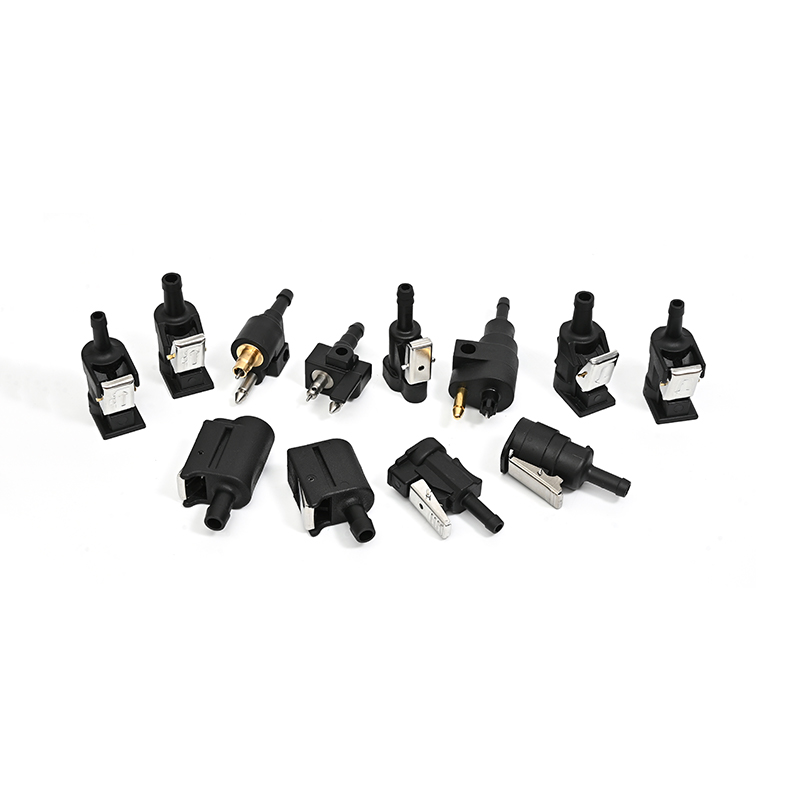
Plastic fittings
The fuel connector is a quick-disconnect fitting that supplies fuel from the outboard motor's portable tank to the engine. The system consists of two parts: a tank-side connector and an engine-side connector, each available in a male or female version.
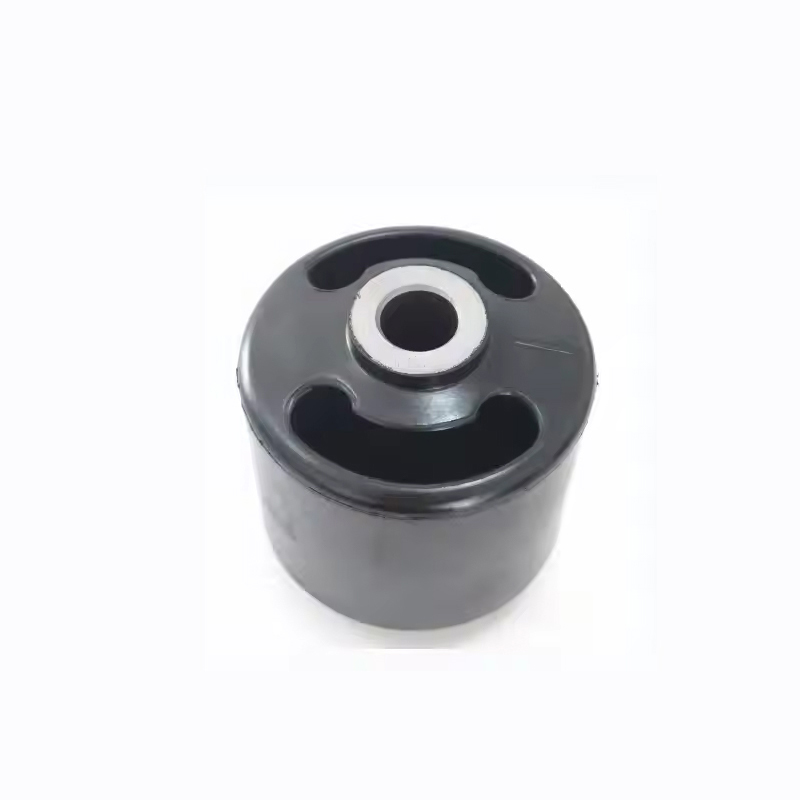
Rubber bushings
A rubber bushing in a suspension or shock absorber provides a resilient connection between metal components. Its main functions are vibration absorption, noise reduction (preventing the transmission of road and transmission noise to the car body) and compensation of angular and linear movements during suspension travel.
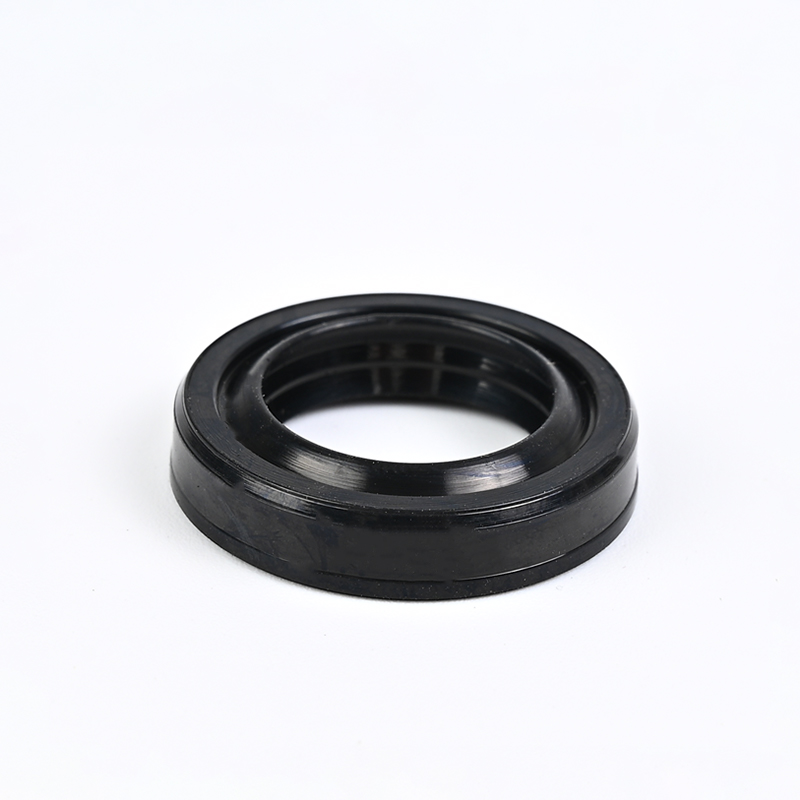
Oil seals
The outboard motor operates in constant contact with water - fresh or salt. The lower gear housing contains gear oil, which must remain isolated from surrounding water. This separation is ensured by seals on the propeller, drive and intermediate shafts.
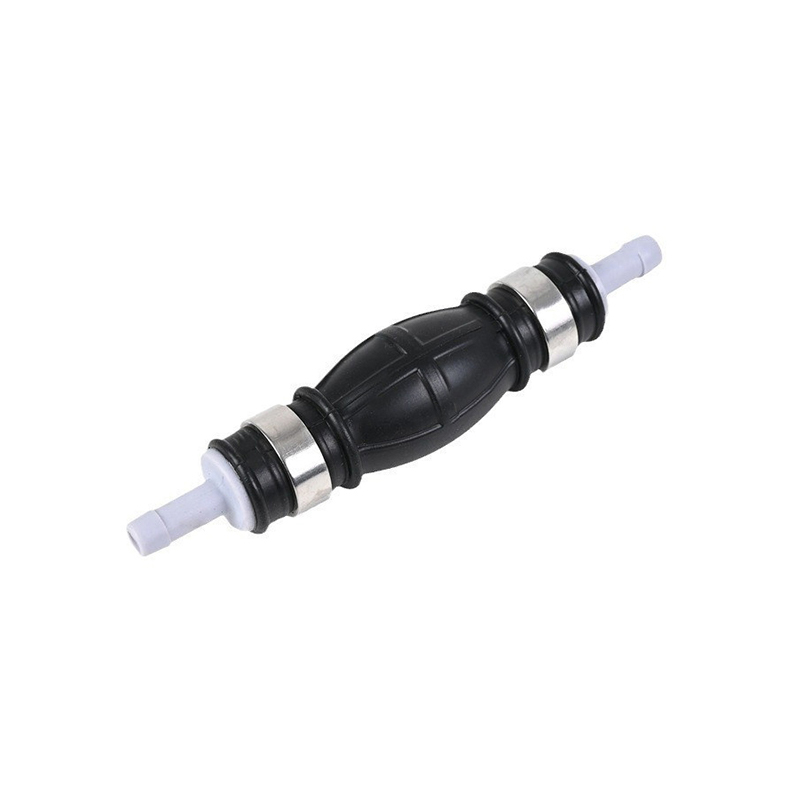
Manual fuel pumps
Manual Primer Bulb - A squeezable fuel resistant rubber bulb with two built-in one-way check valves used to manually prime the fuel line before starting the outboard motor.
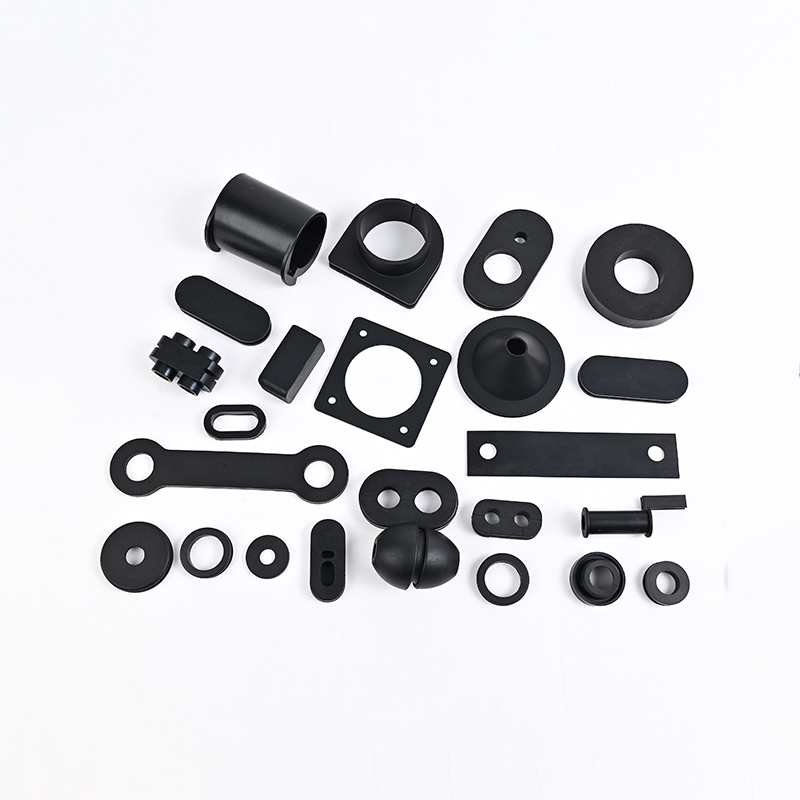
Rubber grommets/cable sealing grommets
Rubber grommets are a resilient ring installed in a mounting hole in a metal panel, bulkhead, or enclosure to allow cables, tubing, or wiring harnesses to pass through.
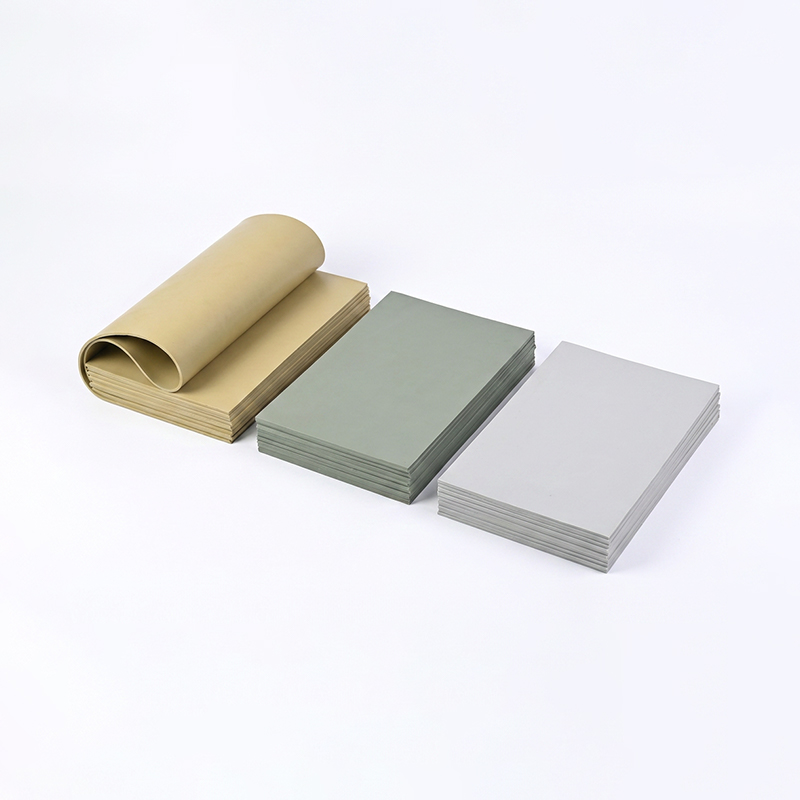
Rubber plates for laser engraving
Laser engraving rubber sheets are the main consumable material for making automatic and traditional rubber stamps using CO₂ laser engraving equipment. It is used by stamp shops, laser engraving shops, office and stationery distributors, and wholesale suppliers of materials to stamp manufacturers.
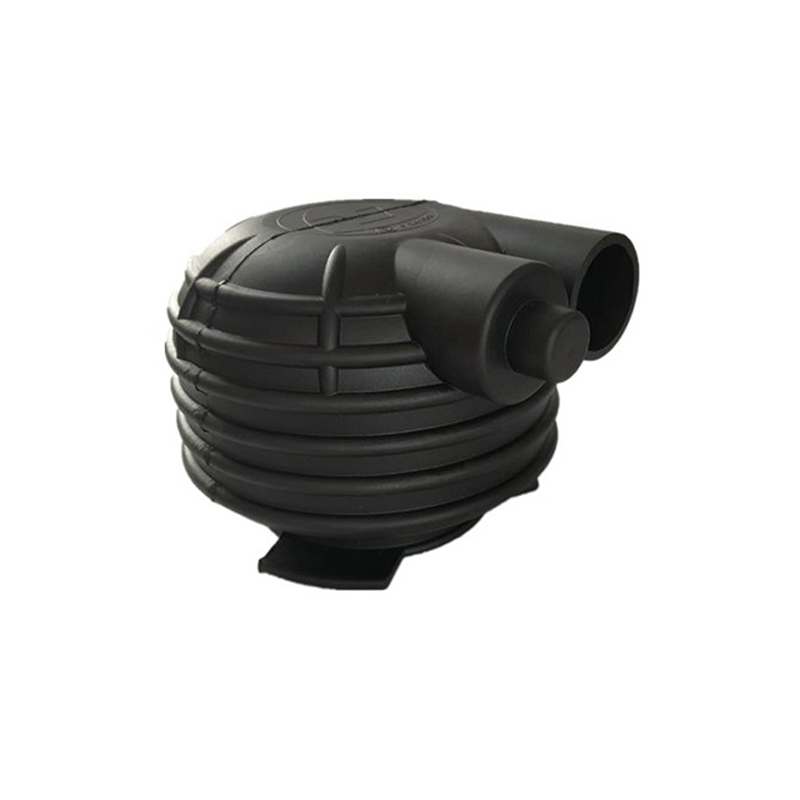
Custom molded rubber products (general industry)
Custom molded rubber parts are produced by placing an unvulcanized rubber compound into a precision steel mold and applying heat and pressure to vulcanize the rubber into a specified shape.
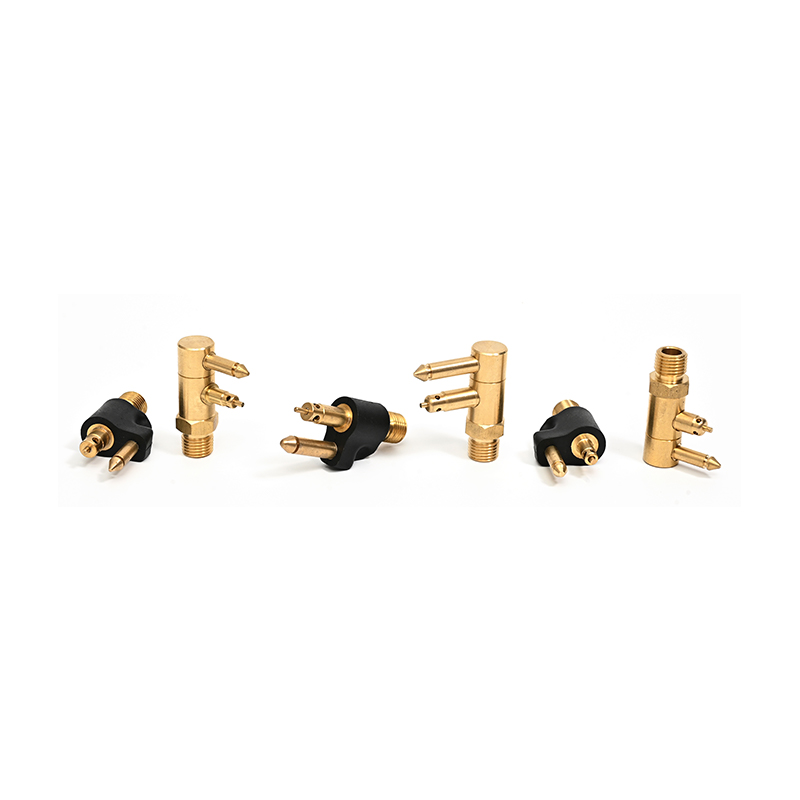
Brass fittings
The fuel connector is a quick-disconnect fitting that supplies fuel from the outboard motor's portable tank to the engine. The system consists of two parts: a tank-side connector and an engine-side connector, each available in a male or female version.
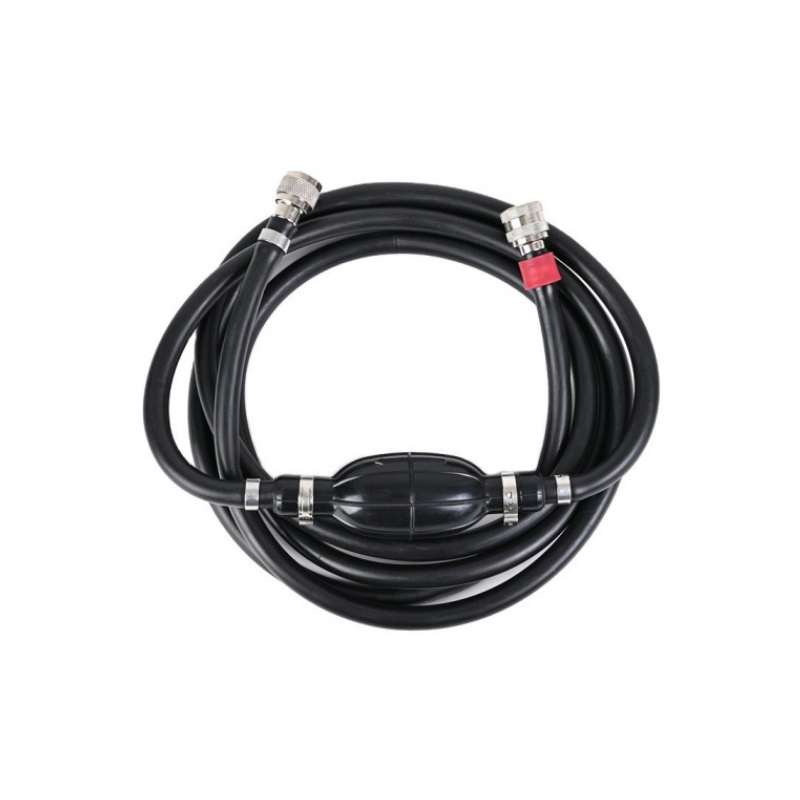
Fuel Lines and Hose Kits
The fuel hose is the critical link between your portable fuel tank and your outboard engine. Over time, rubber compounds lose flexibility, reinforcing braids are destroyed, and microcracks appear in the connector landing areas. A kinked hose, discoloration of rubber, or smell of fuel in the boat are reliable signs that replacement is needed.
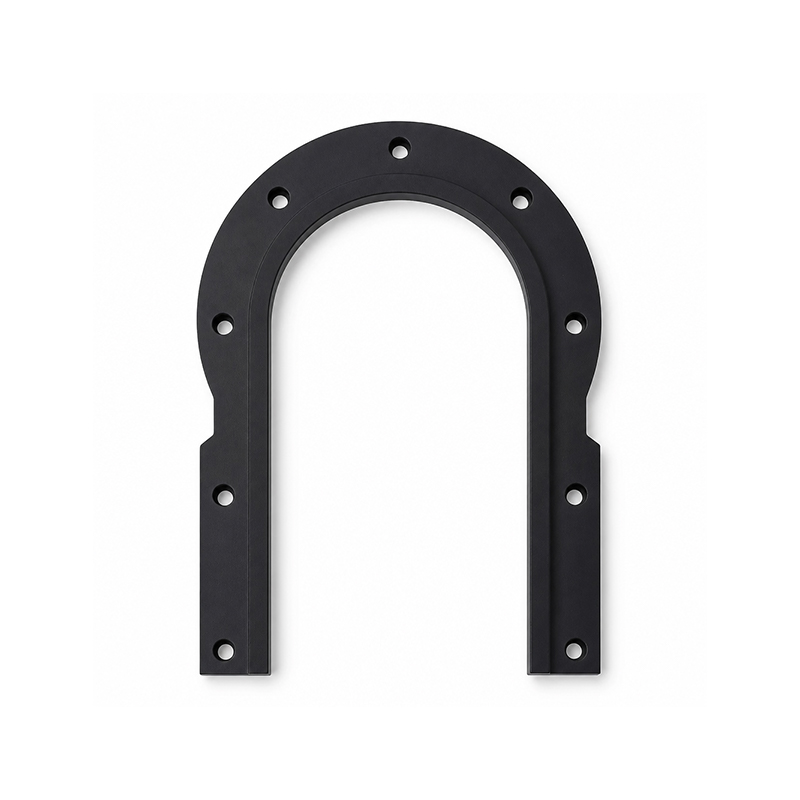
Custom U-Shape Seat Seal
Industrial U-seat seals for bi-directional gate valves. Available in NBR, EPDM and FKM with vulcanized steel core. Manufactured by Jianqing Rubber Products for mining, wastewater and slurry applications.
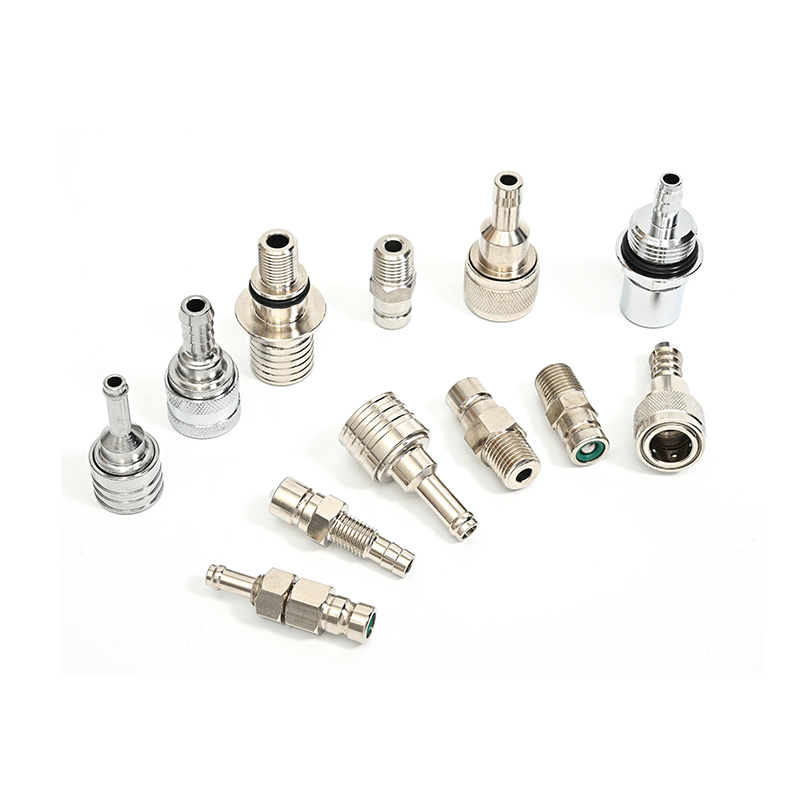
Metal fittings
The fuel connector is a quick-disconnect fitting that supplies fuel from the outboard motor's portable tank to the engine. The system consists of two parts: a tank-side connector and an engine-side connector, each available in a male or female version.
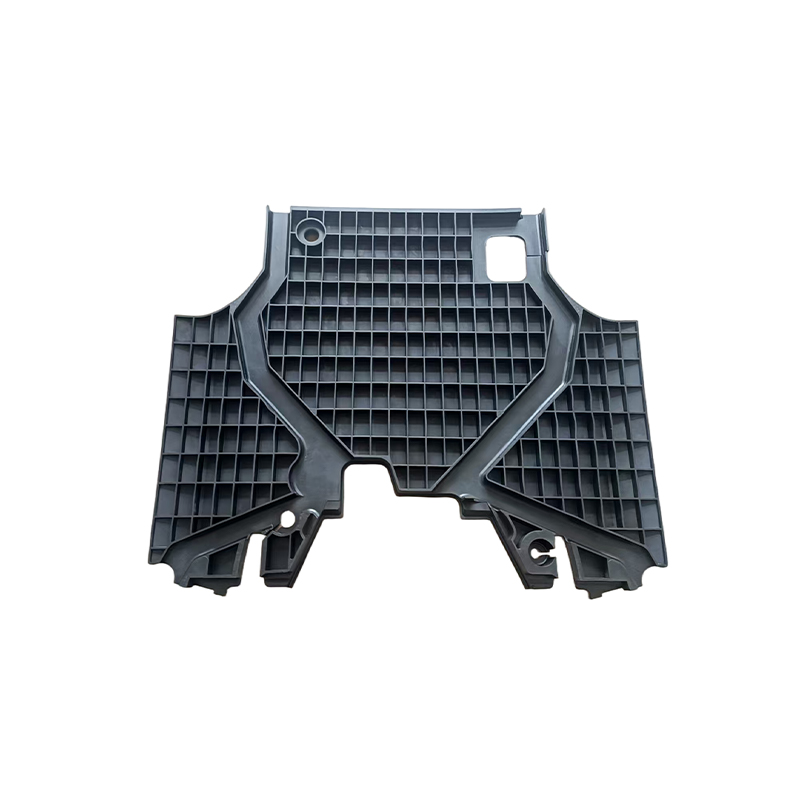
Mats for construction equipment
Rubber mats and pedal pads are functional components of the tractor and agricultural machine cab that provide operator traction with controls, reduce vibration load on the feet and knees, and also protect the metal surfaces of the floor and pedals from wear and slipping.