

-


-


-
-


-
-


-


whatsapp

-
WeChat

-
Telegram

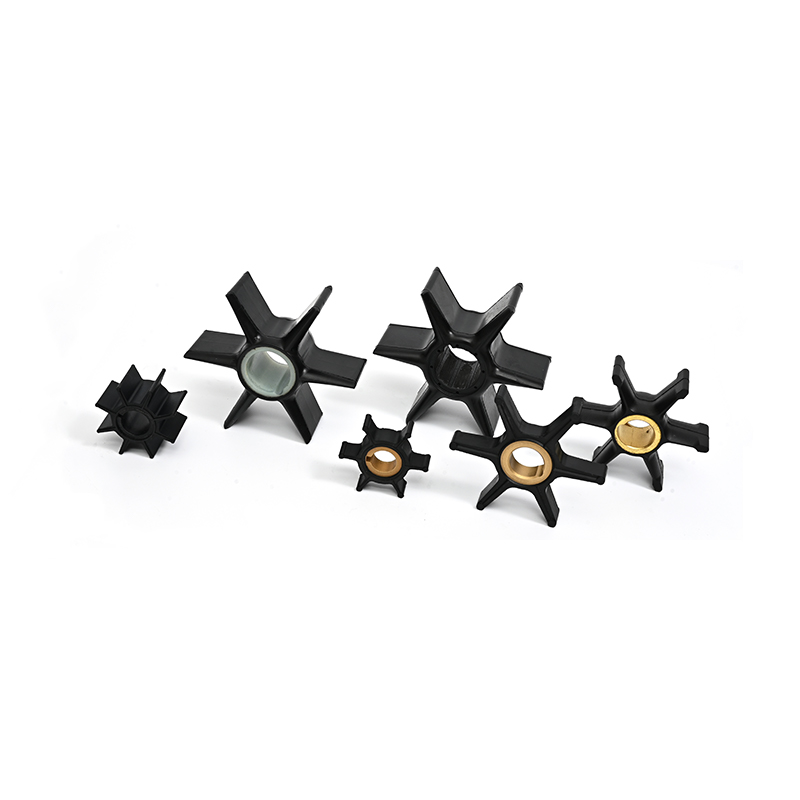
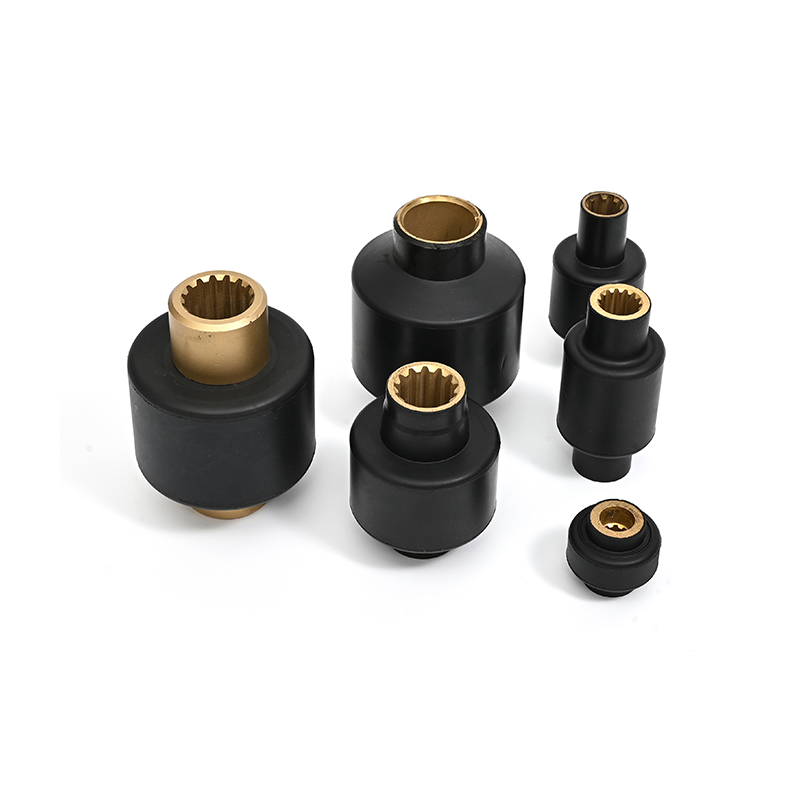
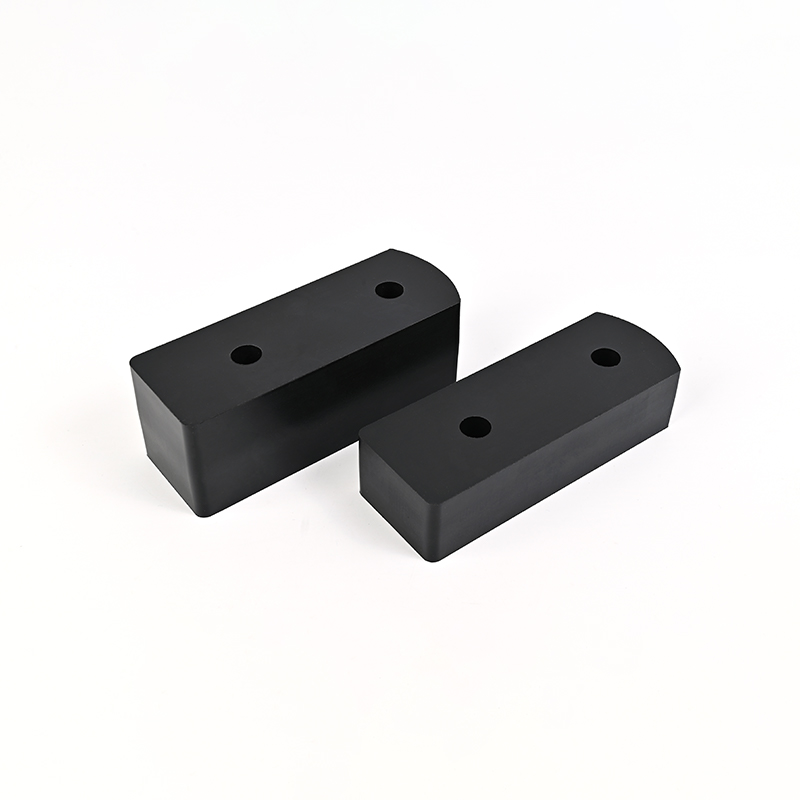
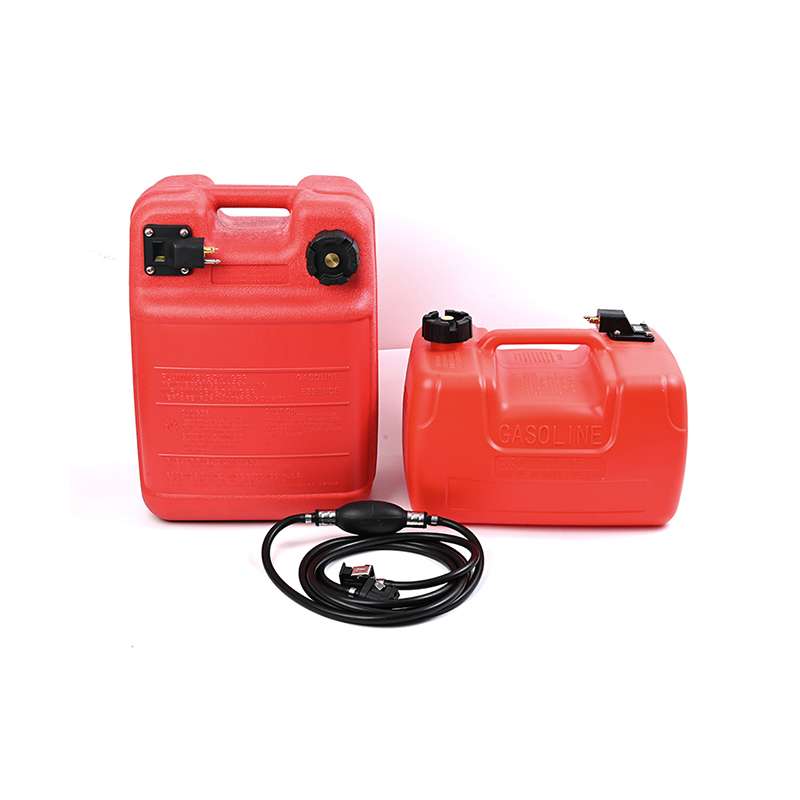
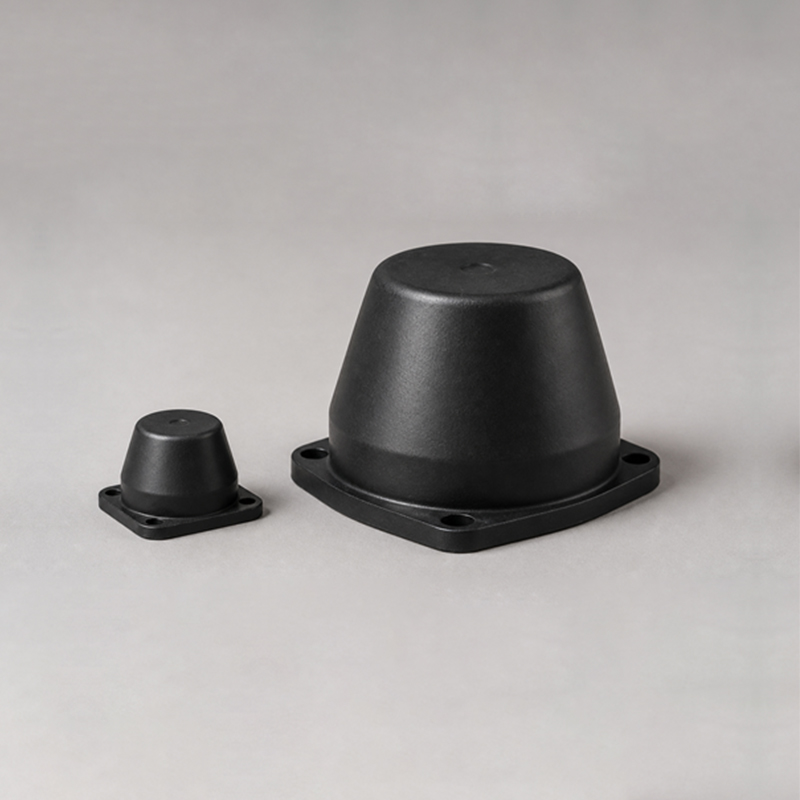
CRP-BN-001
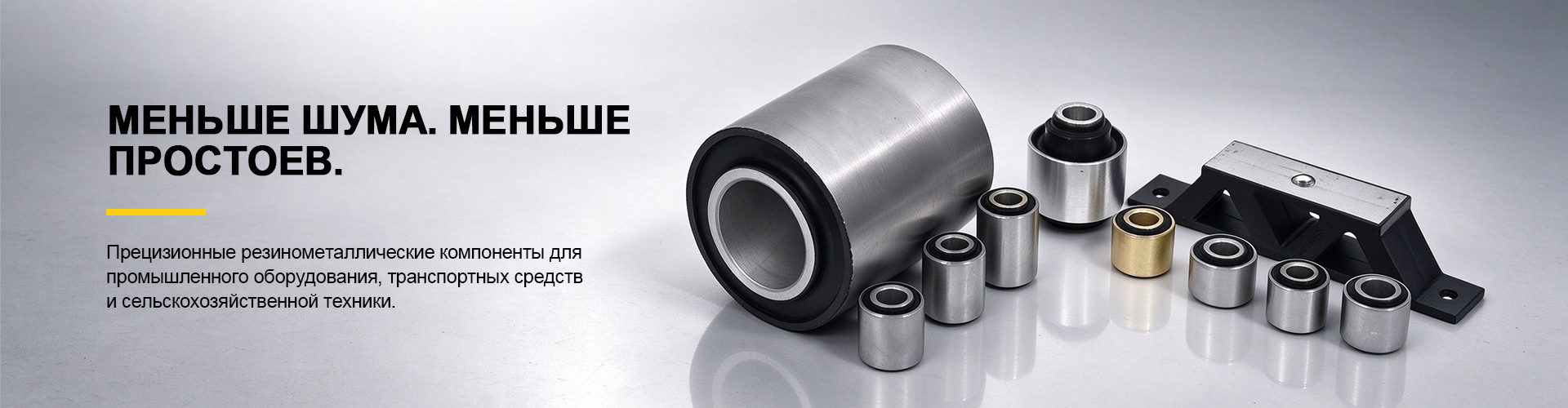
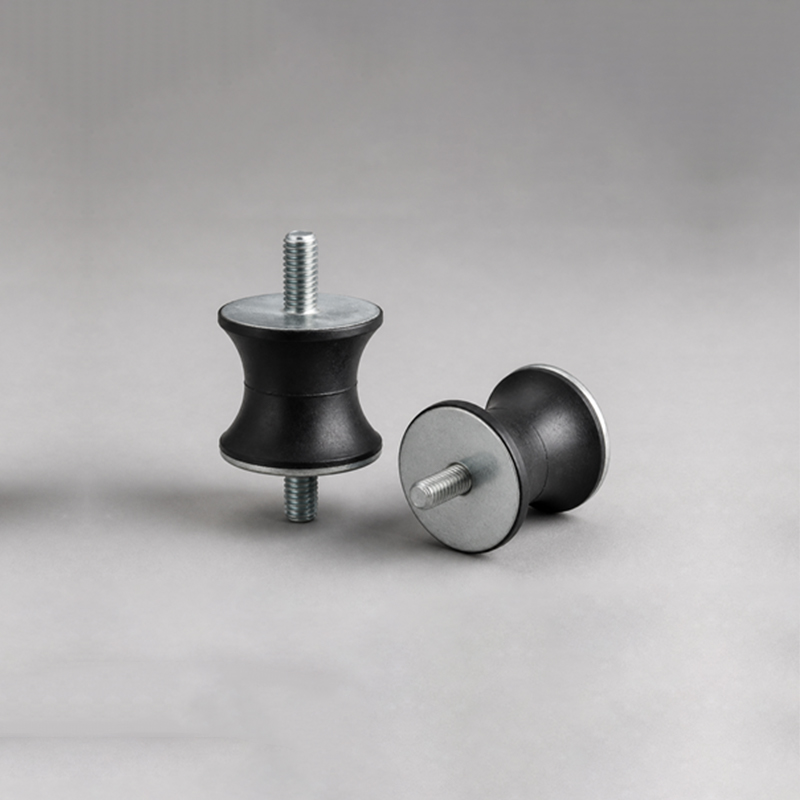
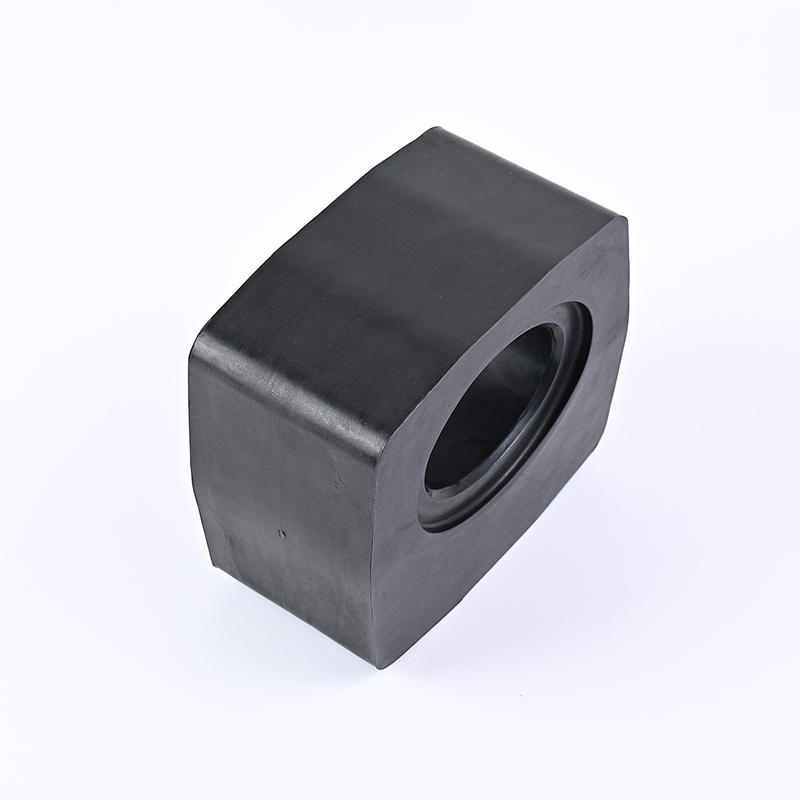
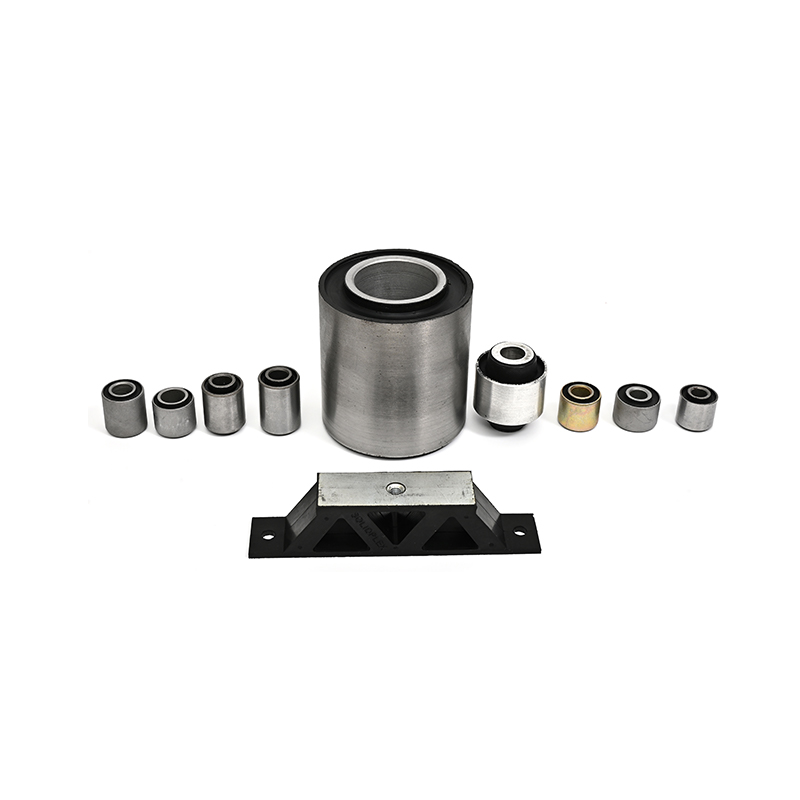
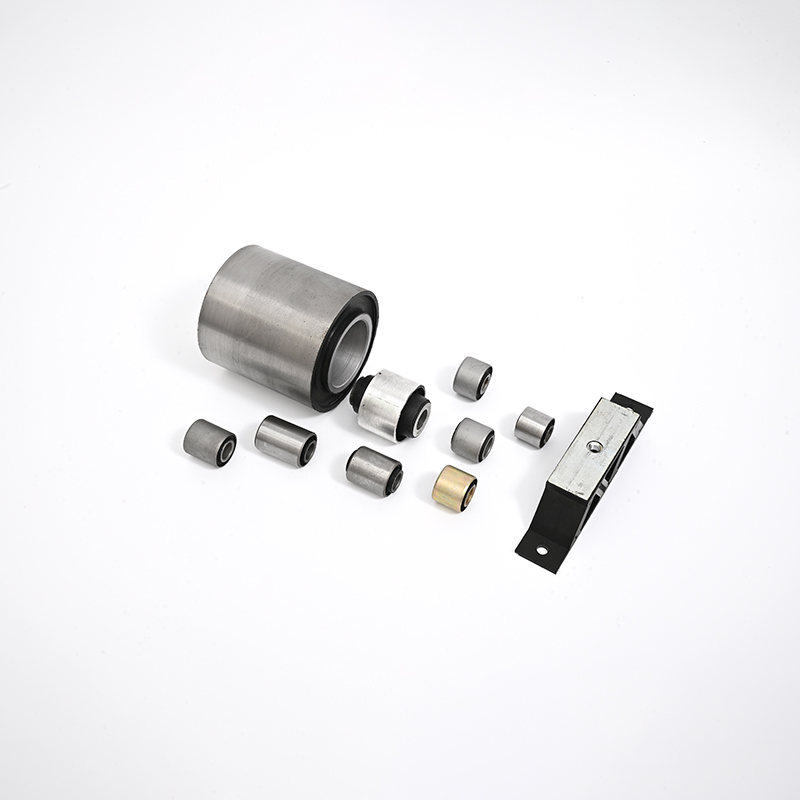
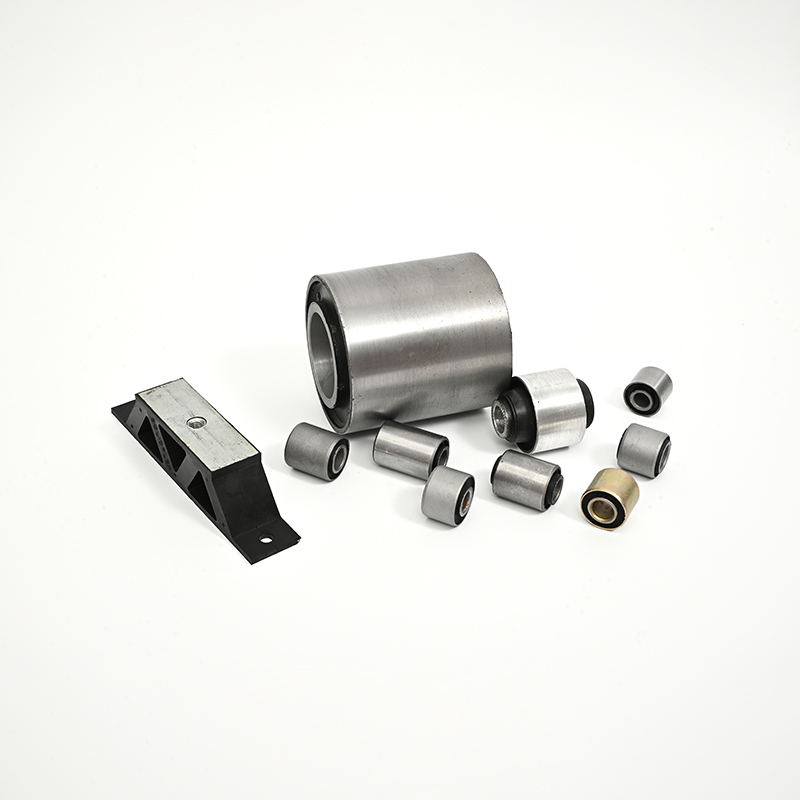
A rubber-metal part is a structural element in which a rubber layer is chemically and mechanically connected to a metal base during hot vulcanization.
Description
marker
Functions and Applications
A rubber-metal part is a structural element in which a rubber layer is chemically and mechanically connected to a metal base during hot vulcanization. Unlike parts where rubber is simply slipped on or inserted into metal, a vulcanized joint forms a monolithic structure: rubber and metal will not separate under stress, vibration or temperature changes.
This design is used where both rigid mechanical connection and controlled elastic deformation are required: engine supports, vibration-isolating brackets, suspension supports, structural cushions.
Applications
Rubber-metal parts are used in the following components:
Engine mounts - reduce the transmission of vibration from the engine to the frame; take loads of tension, compression and torsion simultaneously.
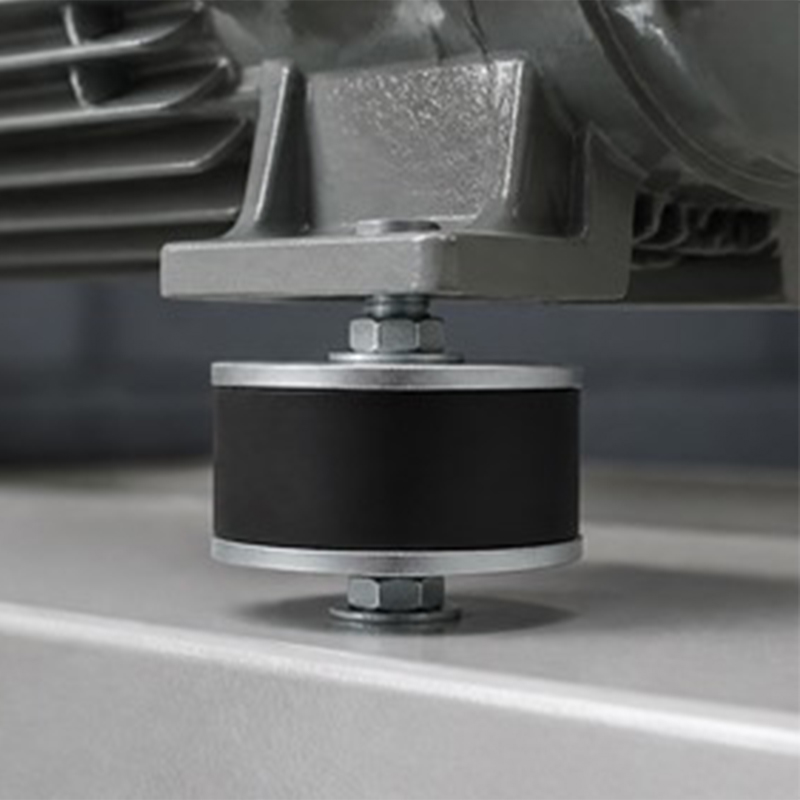
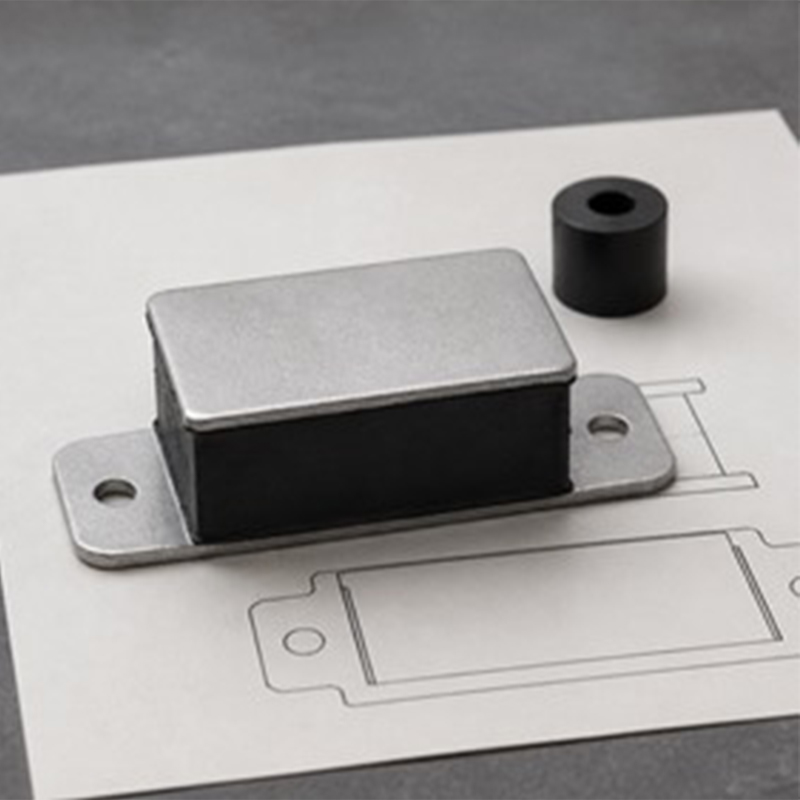
Vibration-isolating brackets - connect units to the supporting structure of the equipment with controlled elasticity.
Subframe supports and transmission cushions - in vehicles and construction equipment. Structural supports for industrial equipment - pumps, compressors, generators.
All products are manufactured exclusively according to customer drawings or samples. There are no standard part numbers for specific brands of engines or vehicles.
Construction and materials
Metal part. Steel base or steel bushings are standard for most applications. Aluminum and brass - by agreement. Surface treatment (zinc plating, phosphating, painting) is discussed when placing an order.
Rubber part. The material is selected based on operating conditions:
NR - optimal balance of elasticity and load capacity at moderate temperatures NBR - for applications with contact with oil products or fuels
EPDM - increased resistance to weathering and ozone
Rubber hardness (Shore A), cross-section geometry and arrangement of metal elements are determined by the customer's drawing.
Production
The production cycle includes: preparing metal liners, applying an adhesive composition, molding rubber with simultaneous vulcanization and joining with metal in a press. Finishing treatment - flash removal, geometry control, adhesion quality control.
The company has its own CNC center for the manufacture of equipment. After approval of the sample and before the start of mass production, full control of the first batch is carried out.
Request and development
To assess production feasibility, please provide:
Technical drawing (2D or 3D, DXF/STEP/PDF formats)
Physical sample (if available)
Required rubber material or description of operating conditions
Requirements for the metal part (steel grade, surface treatment) Approximate order quantity
contact us
Related Popular Products
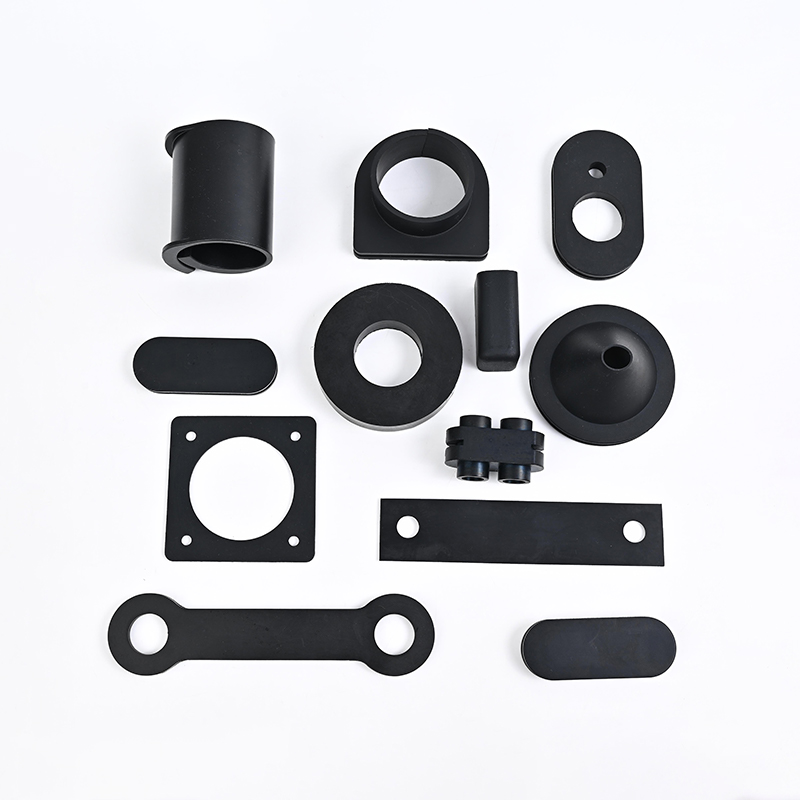
Rubber gasket
Rubber sealing components prevent fluids, gases and contaminants from passing through connections, gaps and passages. They are used in industrial equipment, hydraulic systems, engines, piping, housings and automotive assemblies wherever a sealed connection is required.
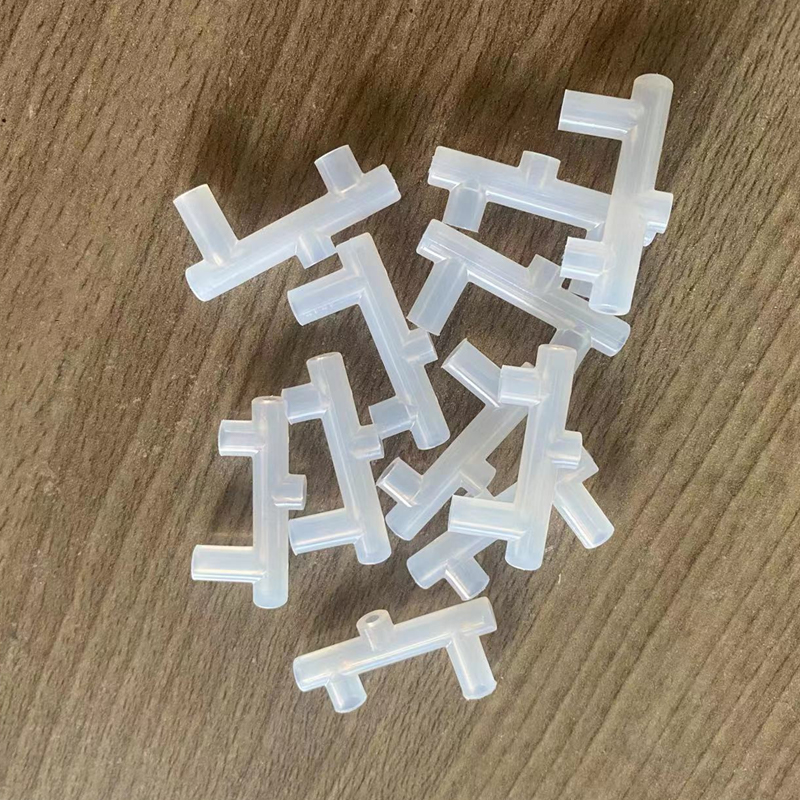
Four Way Pipe / Silicone Parts for Medical Products
JQ Rubber manufactures custom silicone T-connectors and multi-port tube fittings using compression molding or injection molding. Parts shown are small T-fittings made of translucent food grade silicone; Each fitting connects one inlet to two outlets, separating the flow of liquid or gas.
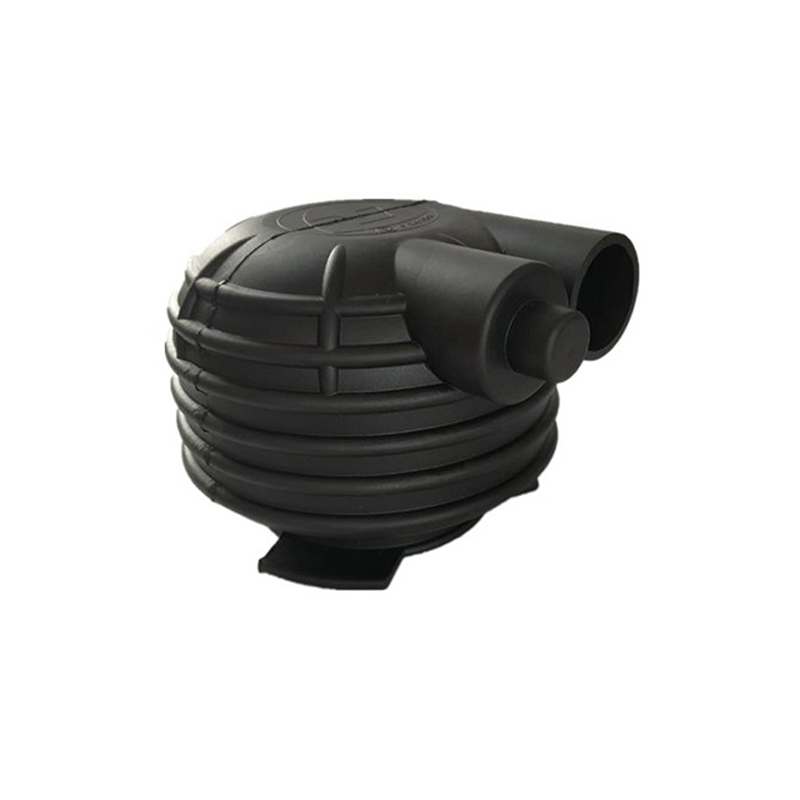
Custom molded rubber products (general industry)
Custom molded rubber parts are produced by placing an unvulcanized rubber compound into a precision steel mold and applying heat and pressure to vulcanize the rubber into a specified shape.
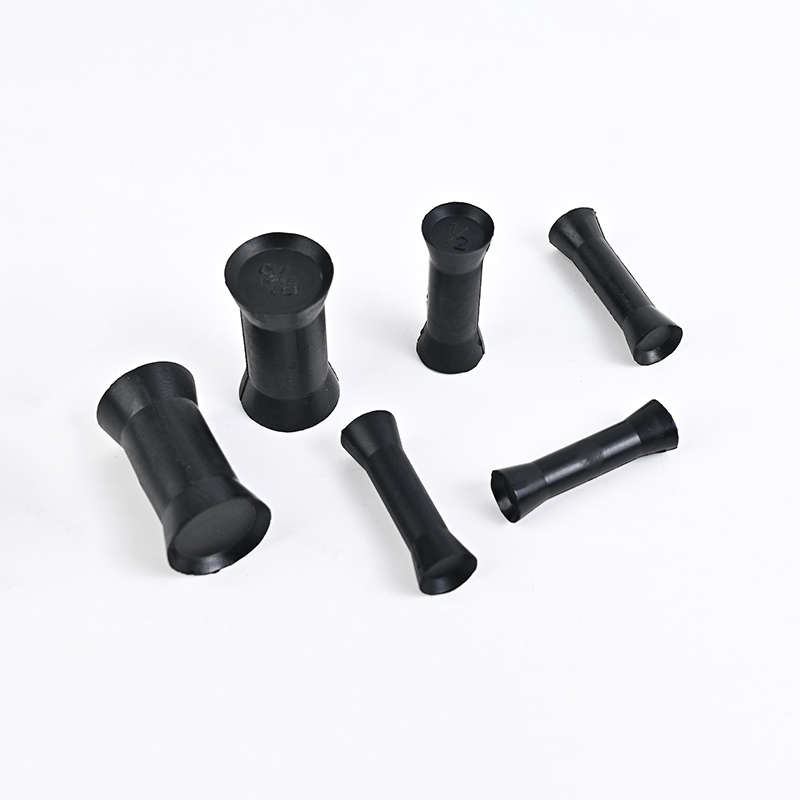
Rubber plug
Rubber sealing components prevent fluids, gases and contaminants from passing through connections, gaps and passages. They are used in industrial equipment, hydraulic systems, engines, piping, housings and automotive assemblies wherever a sealed connection is required.
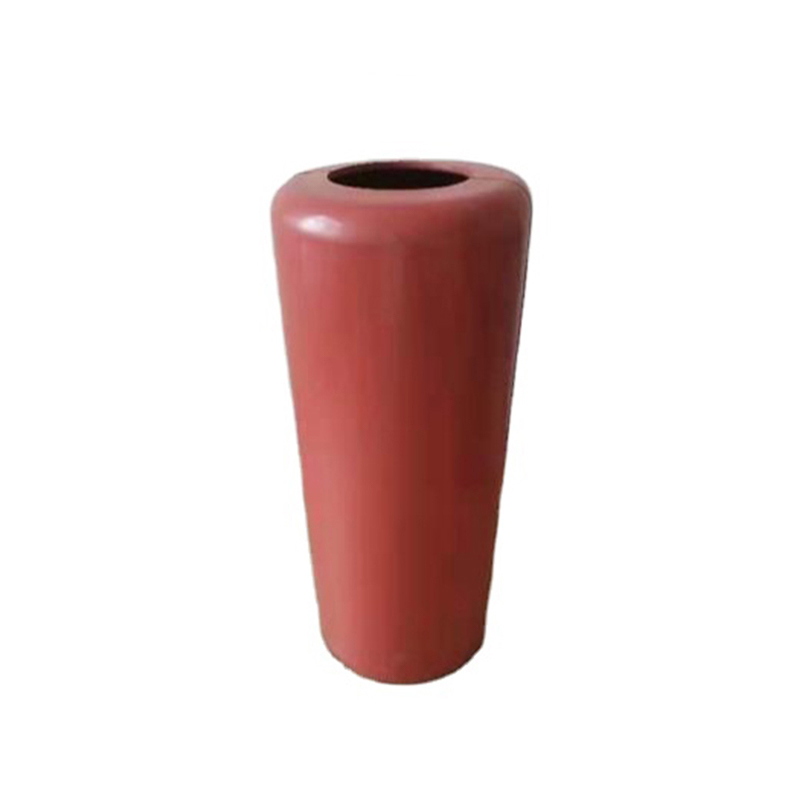
Rubber cylinders and membranes
Rubber cylinders and membranes are sealed or open-ended flexible rubber elements that change volume or transmit force under the influence of liquid or gas pressure.
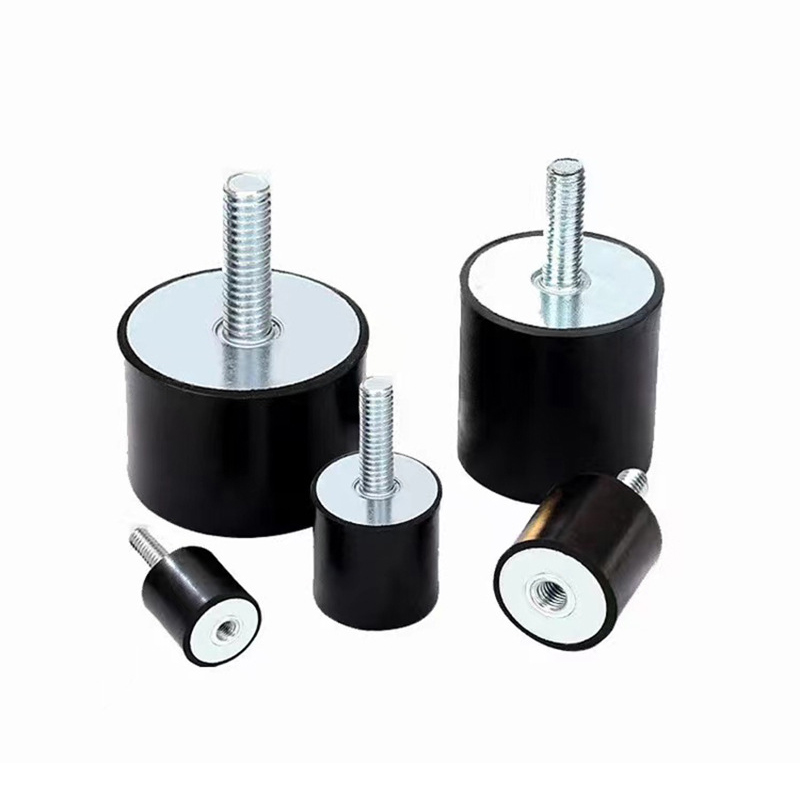
Anti-vibration dampers / Damping screws
Internal Product Code CRP-NV-001 Original English Name Anti-Vibration Dampers / Damping Screws Recommended Russian Name Anti-Vibration Shock Absorbers and Mounting Dampers
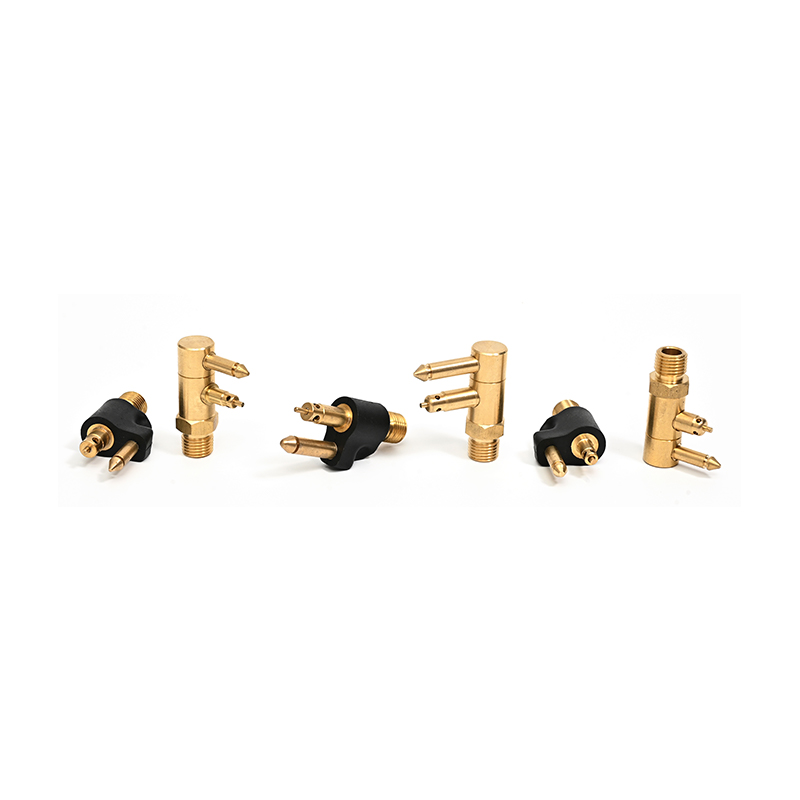
Brass fittings
The fuel connector is a quick-disconnect fitting that supplies fuel from the outboard motor's portable tank to the engine. The system consists of two parts: a tank-side connector and an engine-side connector, each available in a male or female version.
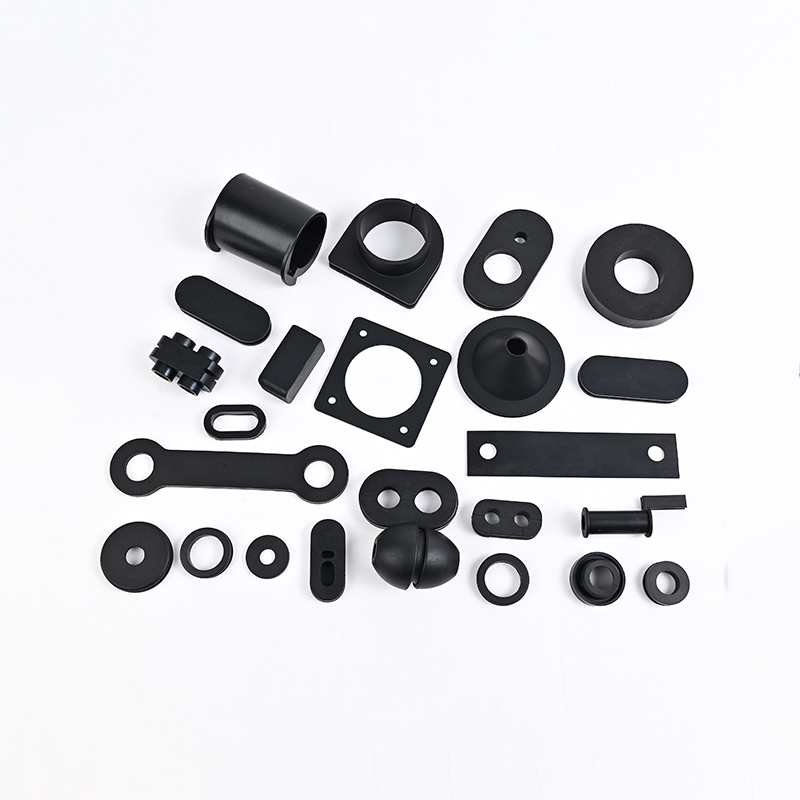
Rubber grommets/cable sealing grommets
Rubber grommets are a resilient ring installed in a mounting hole in a metal panel, bulkhead, or enclosure to allow cables, tubing, or wiring harnesses to pass through.
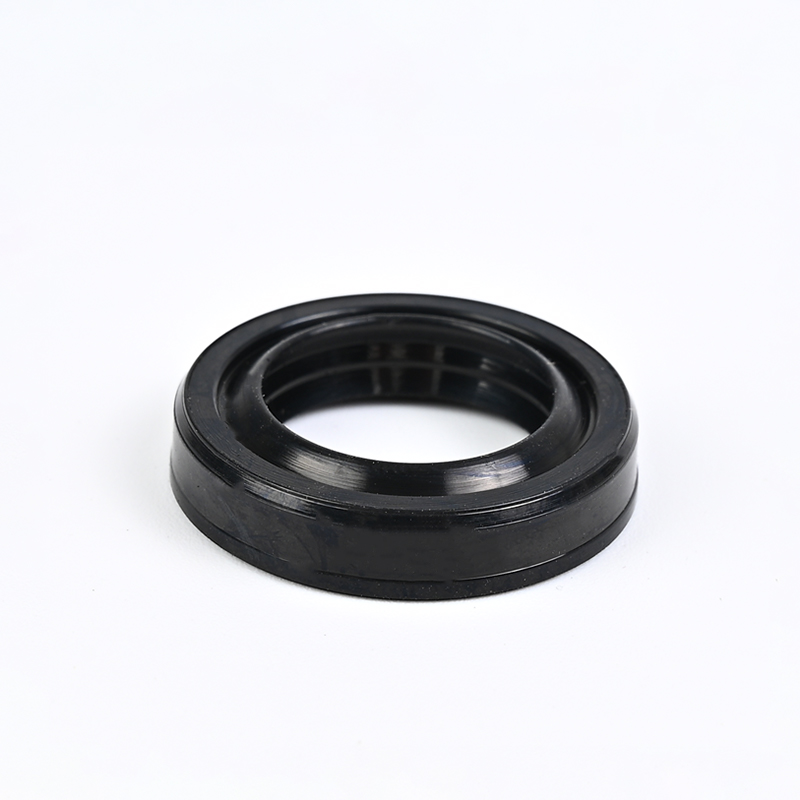
Oil seals
The outboard motor operates in constant contact with water - fresh or salt. The lower gear housing contains gear oil, which must remain isolated from surrounding water. This separation is ensured by seals on the propeller, drive and intermediate shafts.
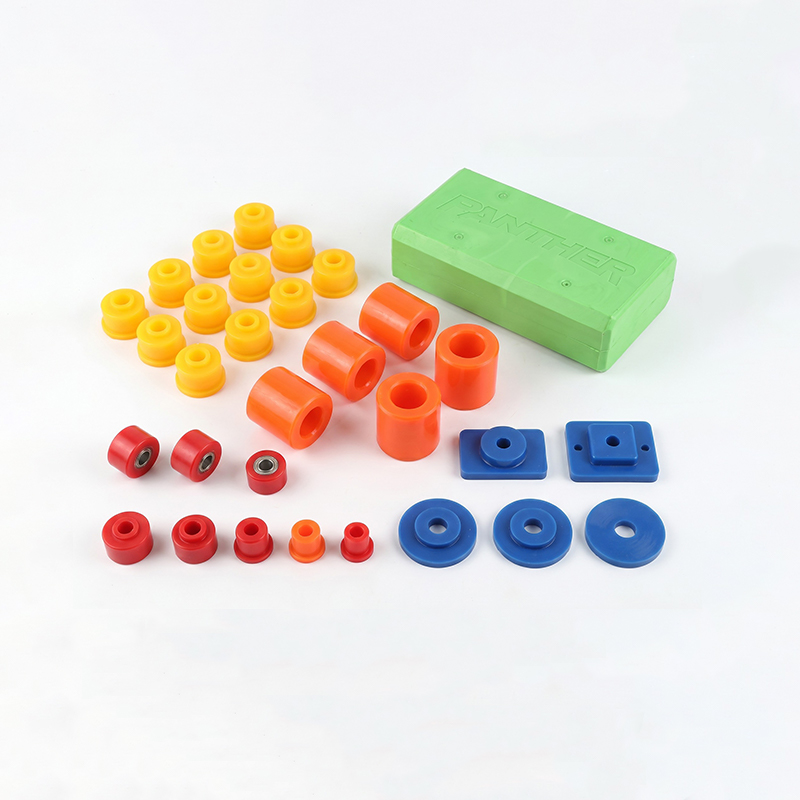
Polyurethane parts (PU)
Standard rubber compounds provide most sealing, damping and vibration isolation requirements. However, with intense abrasive wear - on sliding surfaces, scrapers, guides, rollers - the rubber wears out quickly.
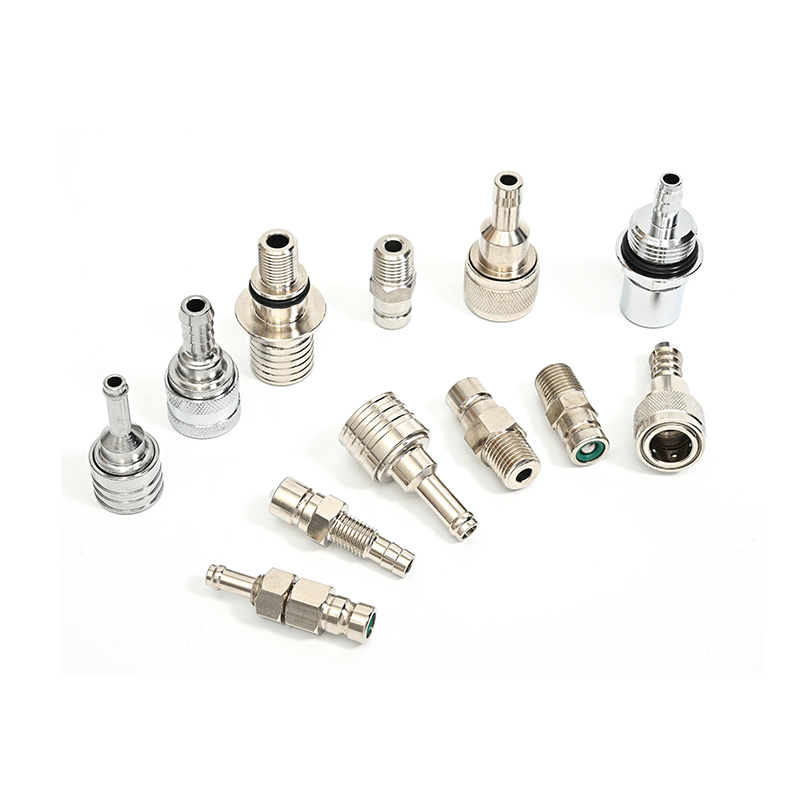
Metal fittings
The fuel connector is a quick-disconnect fitting that supplies fuel from the outboard motor's portable tank to the engine. The system consists of two parts: a tank-side connector and an engine-side connector, each available in a male or female version.
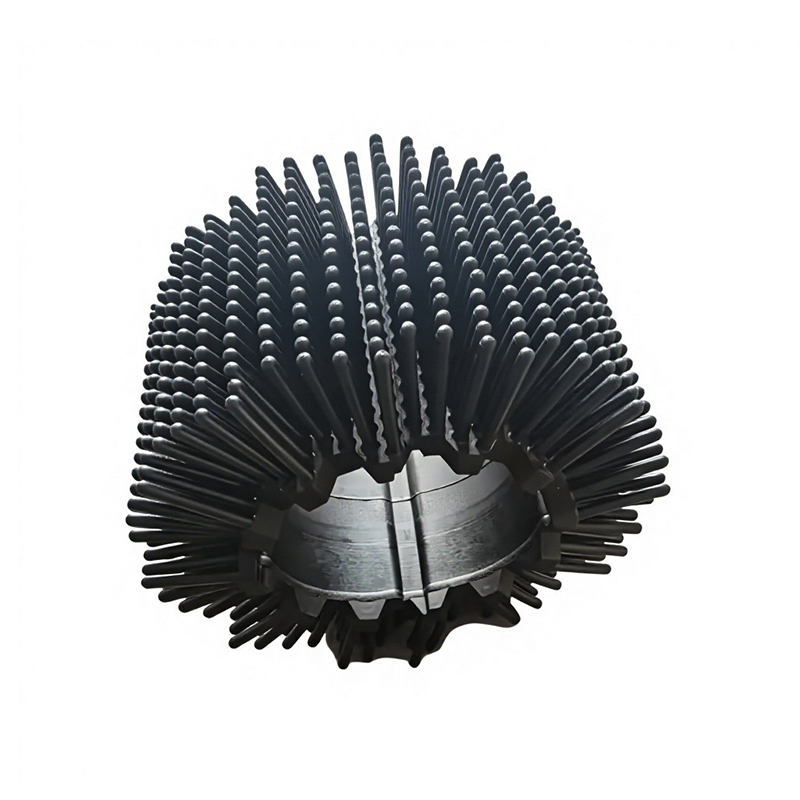
Rubber brush roller
JQ Rubber manufactures rubber bristle discs that form the working cleaning element of the conveyor belt brush shaft. Each disc is a one-piece compression molded rubber component with a central hole and a dense array of radially projecting rubber fingers. The customer assembles several discs on a shaft, forming a complete cleaning shaft of the required working width.
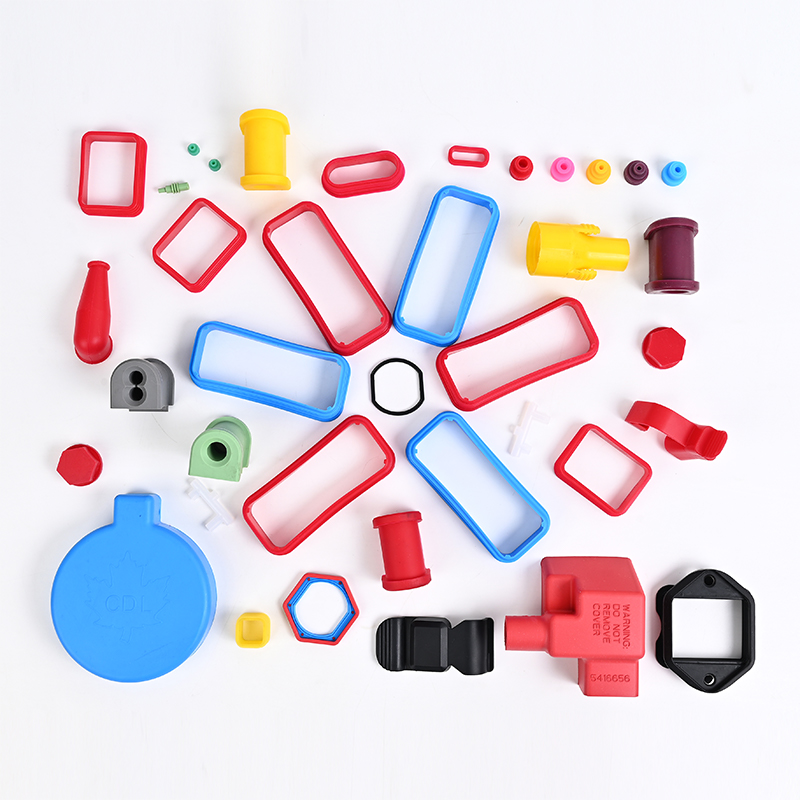
Silicone cable assemblies
JQ Rubber manufactures a wide range of custom silicone sealing components for automotive wiring harnesses and electrical connector systems.
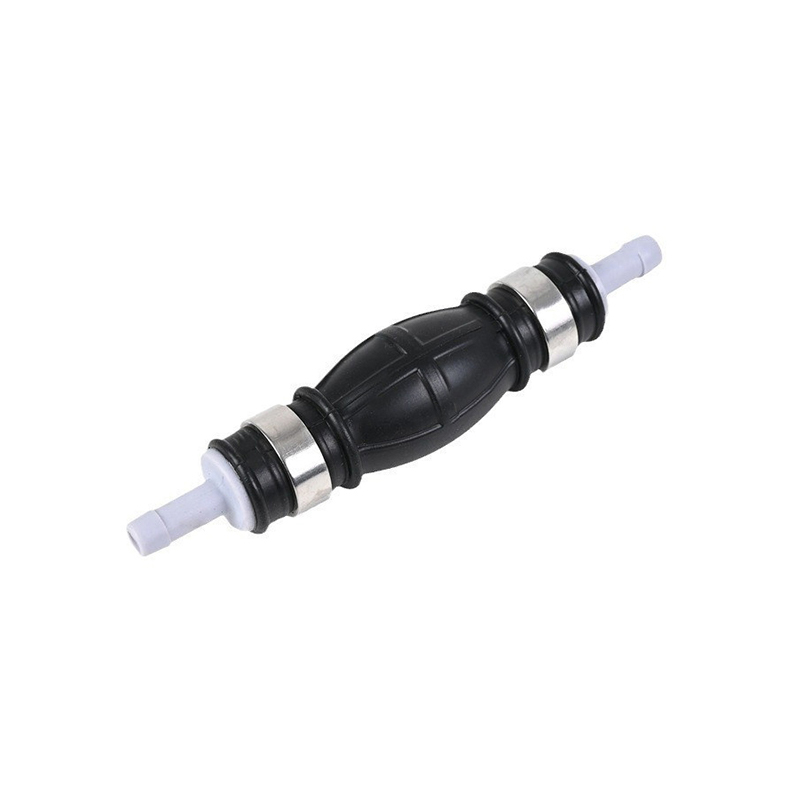
Manual fuel pumps
Manual Primer Bulb - A squeezable fuel resistant rubber bulb with two built-in one-way check valves used to manually prime the fuel line before starting the outboard motor.
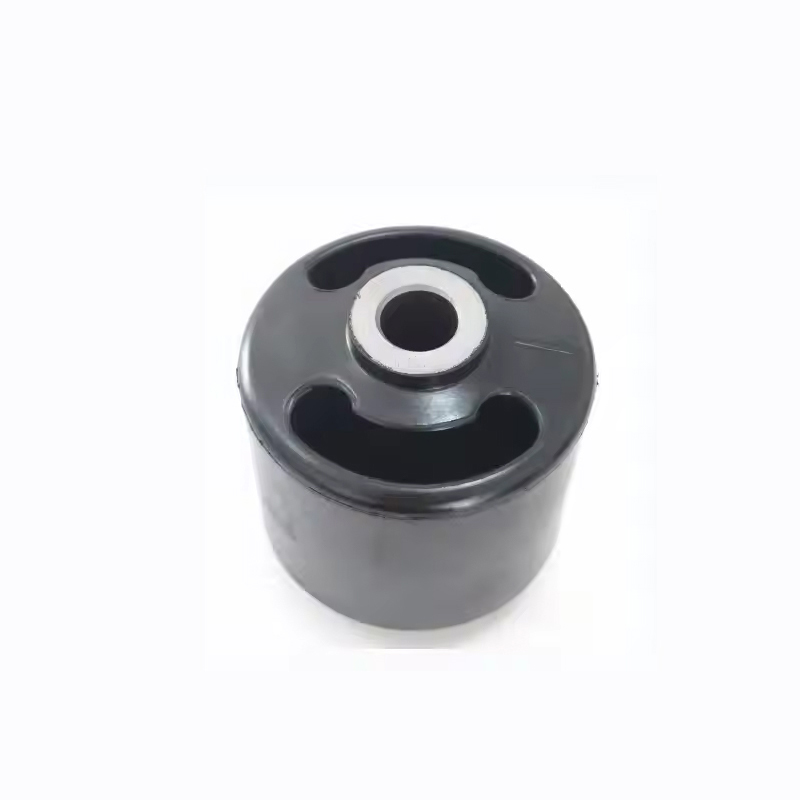
Rubber bushings
A rubber bushing in a suspension or shock absorber provides a resilient connection between metal components. Its main functions are vibration absorption, noise reduction (preventing the transmission of road and transmission noise to the car body) and compensation of angular and linear movements during suspension travel.
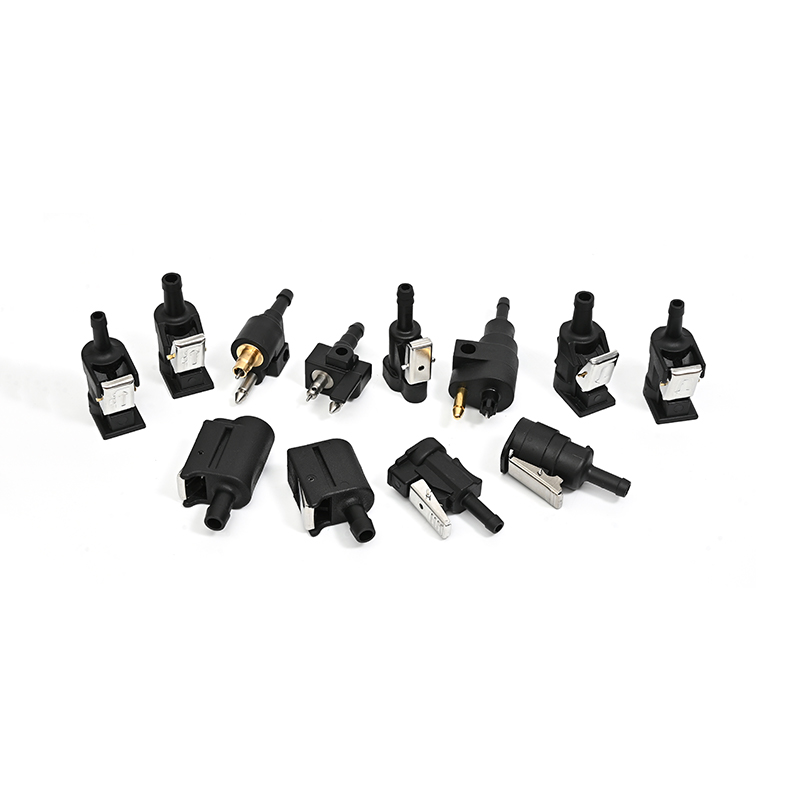
Plastic fittings
The fuel connector is a quick-disconnect fitting that supplies fuel from the outboard motor's portable tank to the engine. The system consists of two parts: a tank-side connector and an engine-side connector, each available in a male or female version.