

-


-


-
-


-
-


-


whatsapp

-
WeChat

-
Telegram

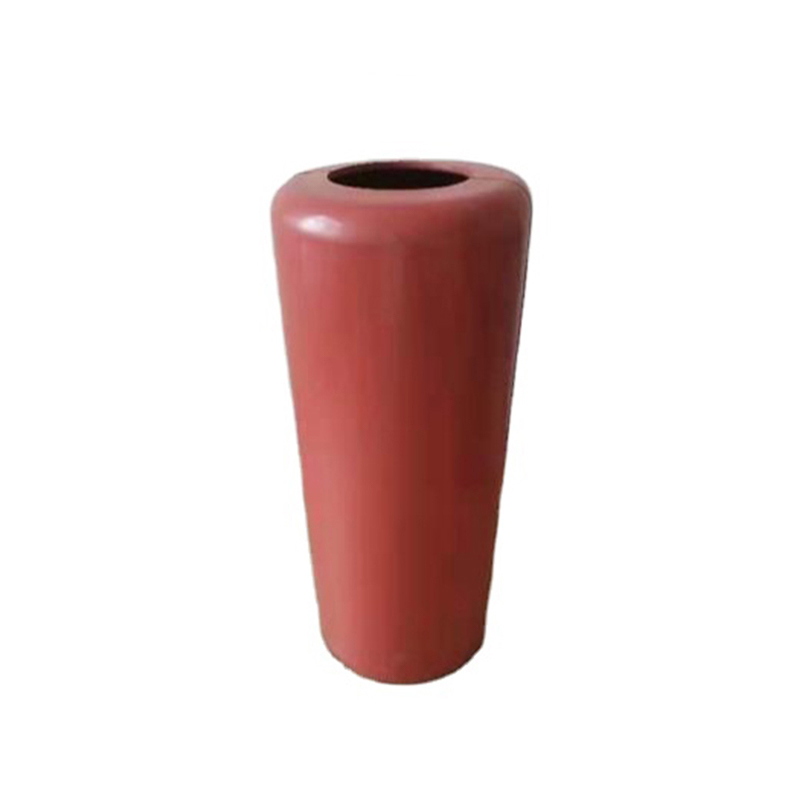
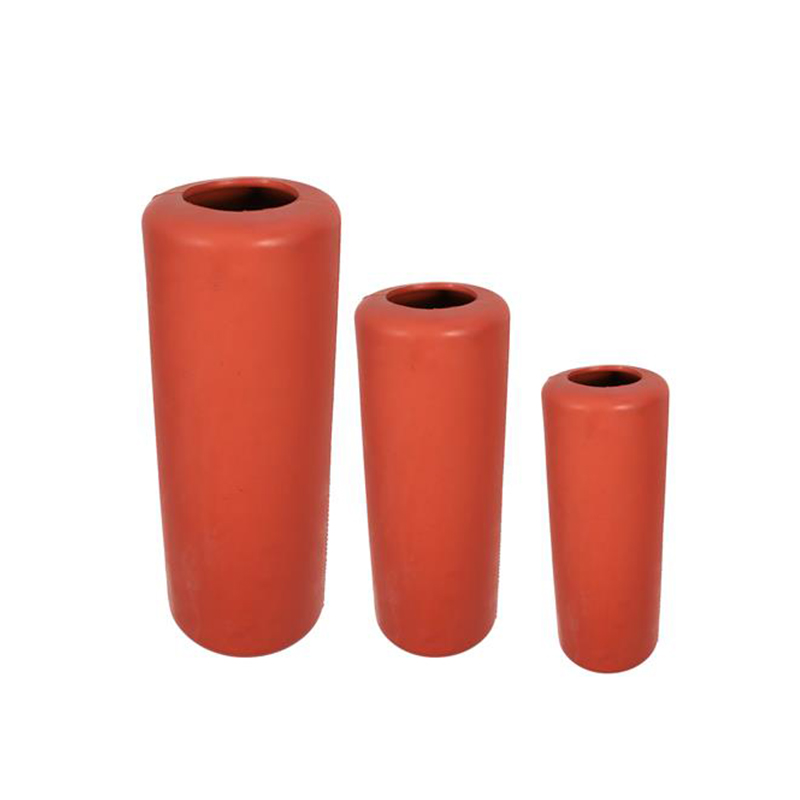
Rubber cylinders and membranes
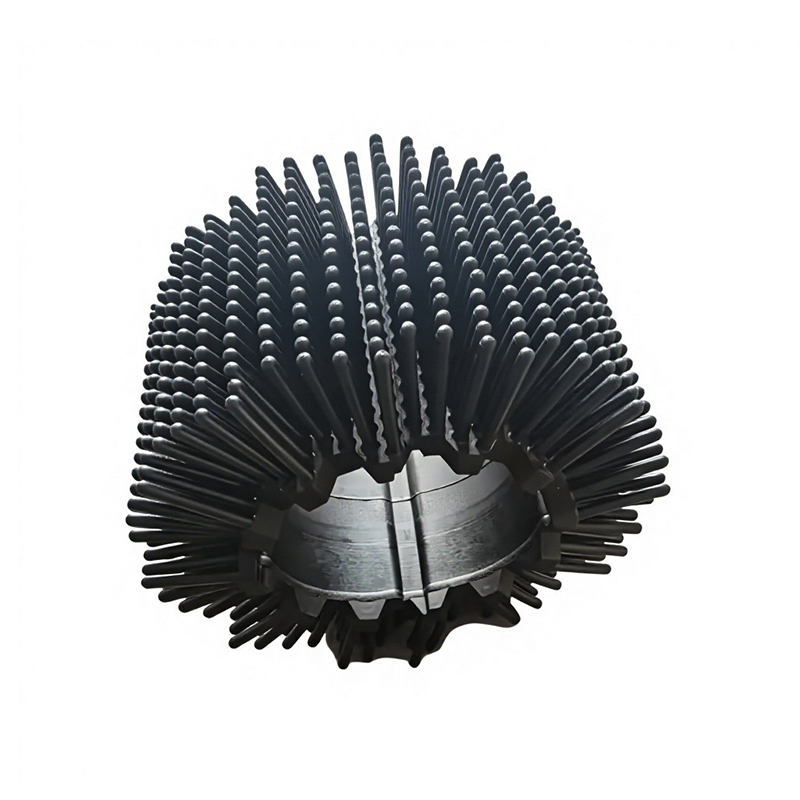
Rubber cylinders and membranes are sealed or open-ended flexible rubber elements that change volume or transmit force under the influence of liquid or gas pressure.
Description
marker
Product Description
Rubber cylinders and membranes are sealed or open-ended flexible rubber elements that change volume or transmit force under the influence of liquid or gas pressure. The rubber element acts as a flexible boundary between two media, separating them and transferring pressure from one side to the other, or expands outward under internal pressure, applying force to the surrounding material.
Both designs are based on the same key property of rubber: the ability to undergo large, controlled elastic deformation and precisely return to its original shape, cycle after cycle, without permanent deformation or fatigue failure.
Application in membrane presses
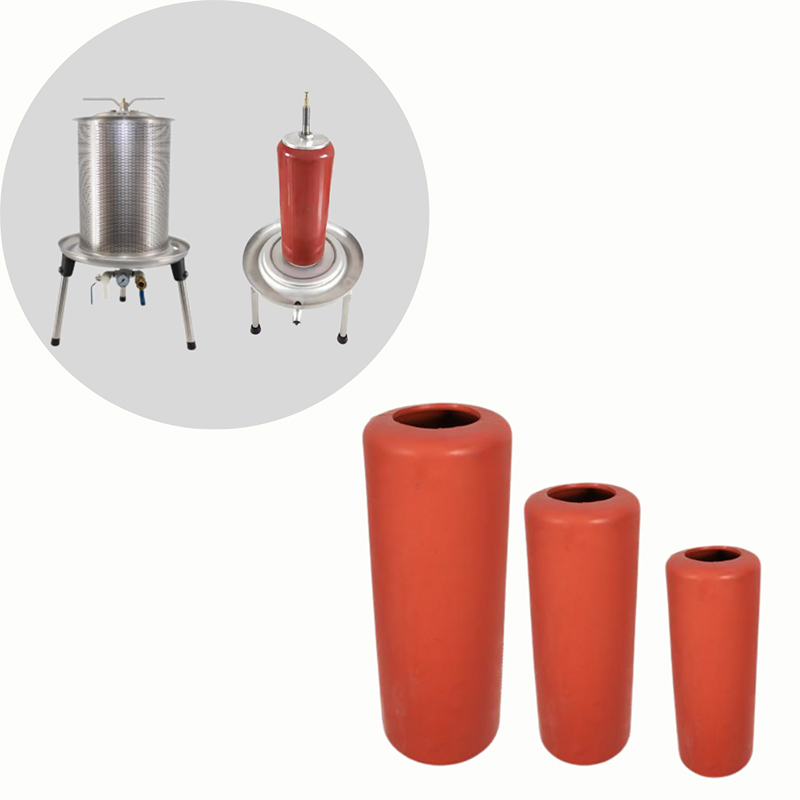
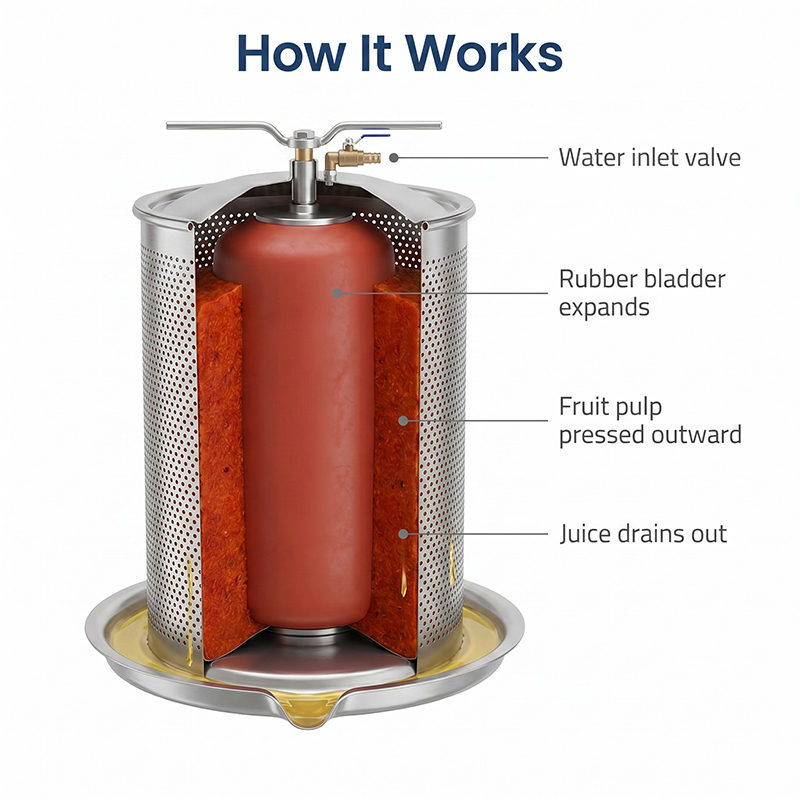
The most common application of cylindrical rubber cylinders is the membrane press used to produce fruit juice, wine, cider and olive oil. The cylinder is located inside a perforated stainless steel drum. Water or compressed air is supplied through the inlet valve at the top, inflating the balloon radially outward. As it expands, it presses the fruit pulp or grape pomace against the perforated wall of the drum, squeezing the juice through the mesh into a collection tray located below. When the pressure is released, the balloon contracts to its original cylindrical shape.
This method of extraction is preferable to mechanical screw presses because the uniform, gradually increasing radial pressure minimizes crushing of seeds and extraction of bitter substances, resulting in cleaner, higher quality juice.
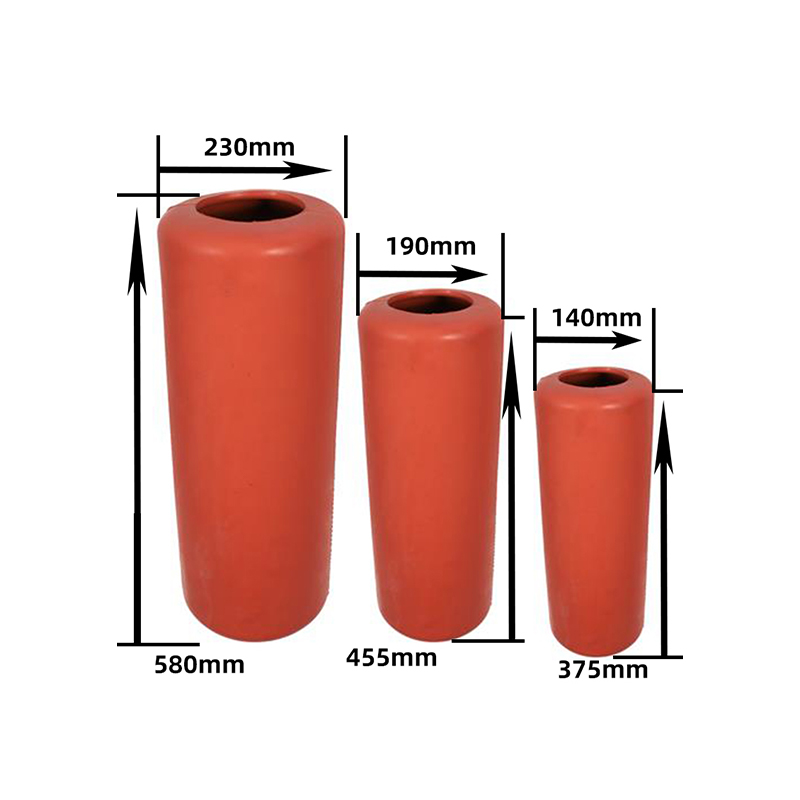
Three standard diameters available. Non-standard lengths and diameters can be made to order.
Industrial and technical applications
In addition to food processing, rubber cylinders and membranes are used in various pressure and liquid handling systems:
- Hydraulic accumulators: the cylinder separates the gas charge from the hydraulic fluid; Absorbs pressure surges and stores energy in hydraulic circuits
- Pneumatic diaphragm pumps: flat or corrugated diaphragm driven by alternating air pressure; pumps viscous, abrasive or chemically aggressive liquids without mechanical seals
- Diaphragm valves: a rubber membrane serves as a shut-off element; the liquid does not come into contact with the internal metal parts of the valve body; Suitable for hygienic applications and corrosive environments
- Pressure vessels and expansion tanks: a membrane separates water from the air cushion in pressure vessels of water supply systems
- Industrial filtration: membrane presses for ceramic slurries, chemical sludge filtration and sewage sludge dewatering
Materials
| Material | Temperature range | Best suited for |
| NR (natural rubber) | from −40 °C to +80 °C | Membrane presses; water and neutral liquids; high bending fatigue life |
| NBR (nitrile rubber) | −40 °C to +120 °C | Contact with oil, fuel and hydraulic fluids; industrial hydraulic accumulators |
| Silicone | −60 °C to +200 °C | Food applications; work at high temperatures; medical and pharmaceutical applications |
| EPDM | −40 °C to +120 °C | Water, steam and chemical media; external influence |
| Neoprene (CR) | −40 °C to +100 °C | General industrial use; moderate resistance to oil and weathering |
| FKM (Viton®) | −10 °C to +200 °C | Aggressive chemicals, acids, hydrocarbons, high temperatures |
The choice of material is confirmed by taking into account the process environment, pressure, temperature and hygienic requirements of the specific application.
Made to order
All rubber cylinders and membranes are manufactured according to customer specifications. Standard cylindrical cylinder sizes are available for membrane presses; all other versions are manufactured according to a drawing or sample. To request, please provide:
Technical drawing with dimensions (outer diameter, inner diameter, length, wall thickness), tolerances and all details of fittings or holes
Physical sample or worn part for sizing and material selection
Description of application - working environment, pressure, temperature, cycle frequency
contact us
Related Popular Products
Fuel Lines and Hose Kits
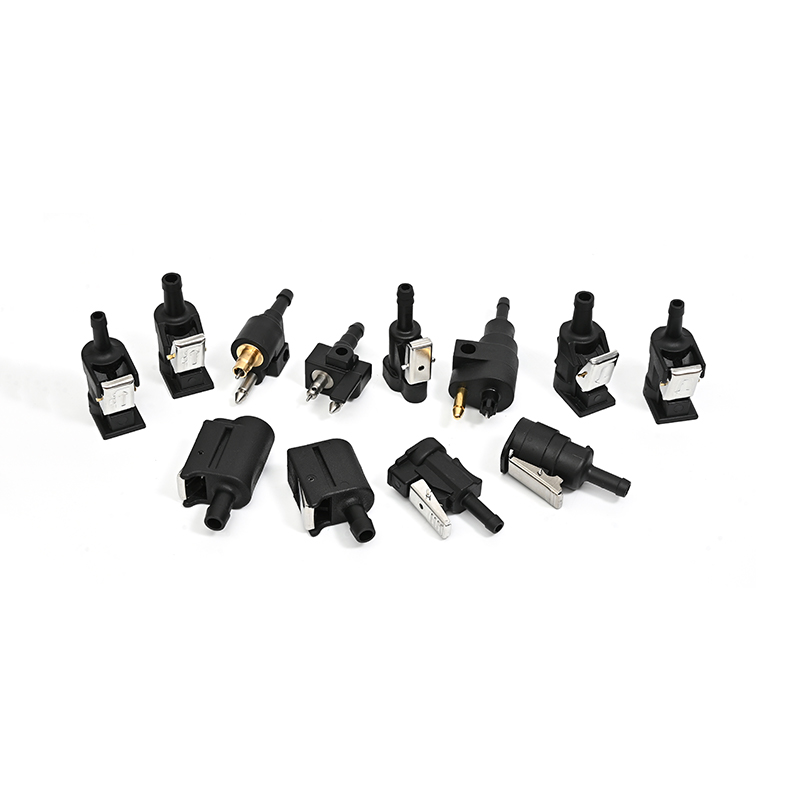
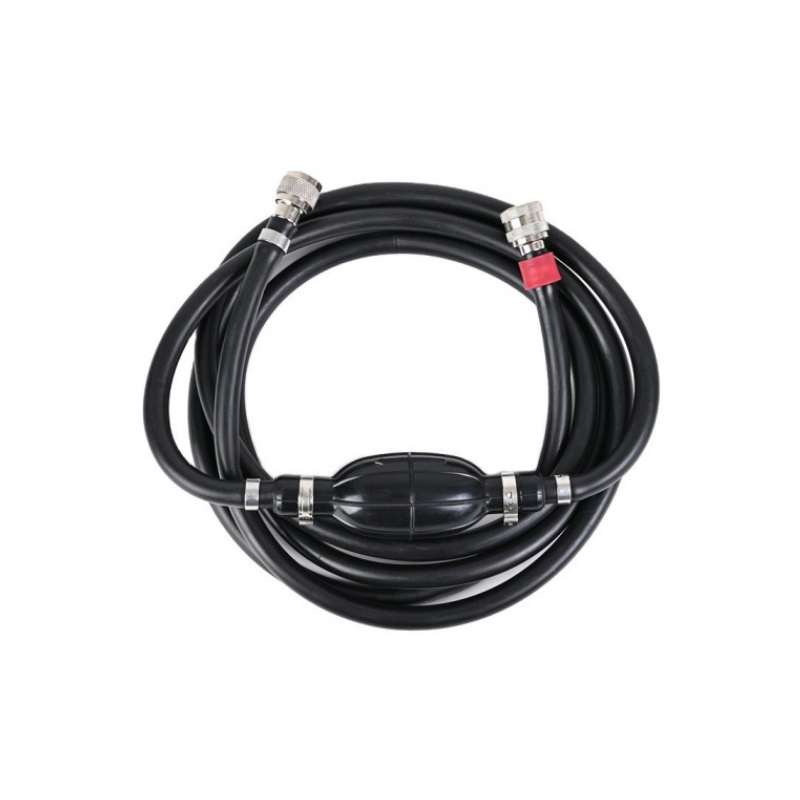
The fuel hose is the critical link between your portable fuel tank and your outboard engine. Over time, rubber compounds lose flexibility, reinforcing braids are destroyed, and microcracks appear in the connector landing areas. A kinked hose, discoloration of rubber, or smell of fuel in the boat are reliable signs that replacement is needed.
Rubber grommets/cable sealing grommets
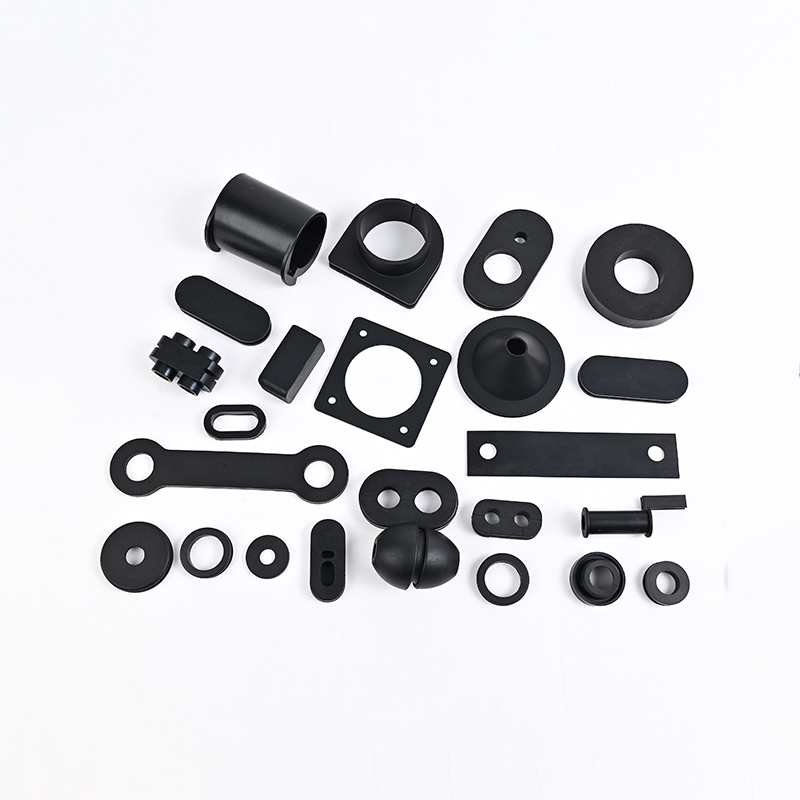
Rubber grommets are a resilient ring installed in a mounting hole in a metal panel, bulkhead, or enclosure to allow cables, tubing, or wiring harnesses to pass through.
Rubber plug
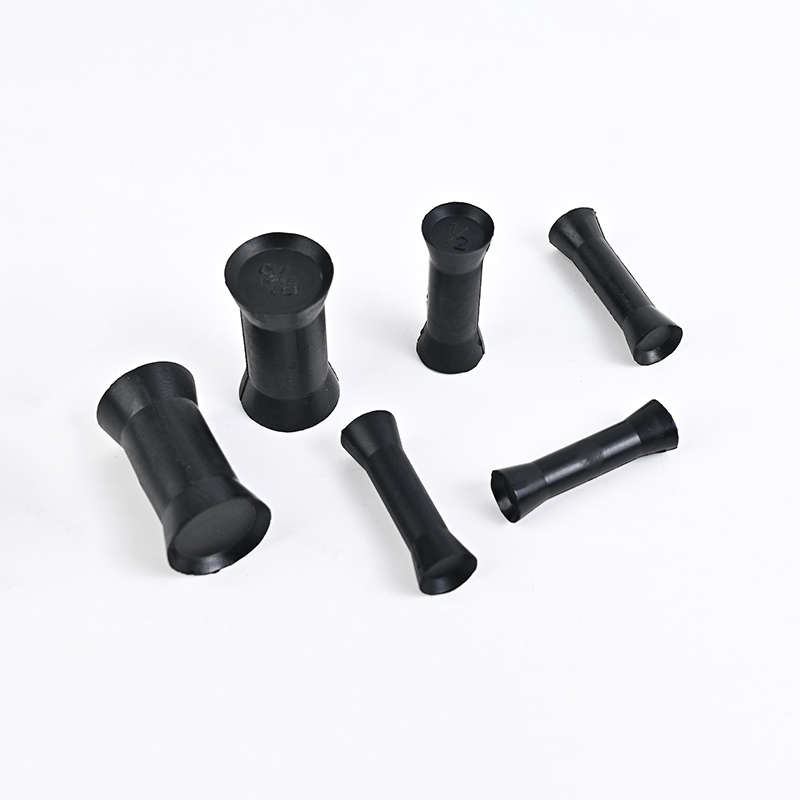
Rubber sealing components prevent fluids, gases and contaminants from passing through connections, gaps and passages. They are used in industrial equipment, hydraulic systems, engines, piping, housings and automotive assemblies wherever a sealed connection is required.
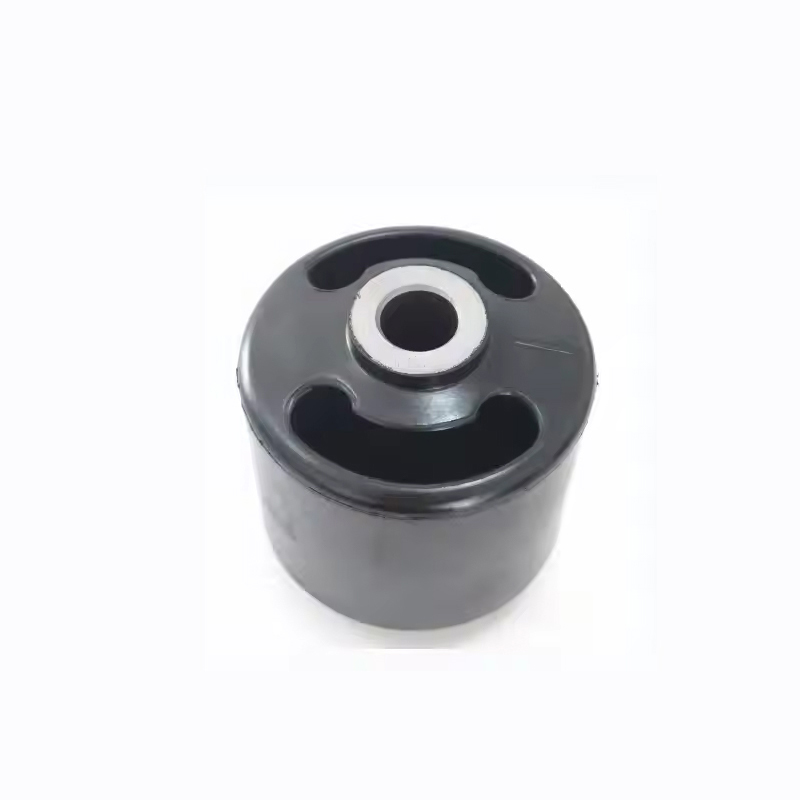
Rubber bushings
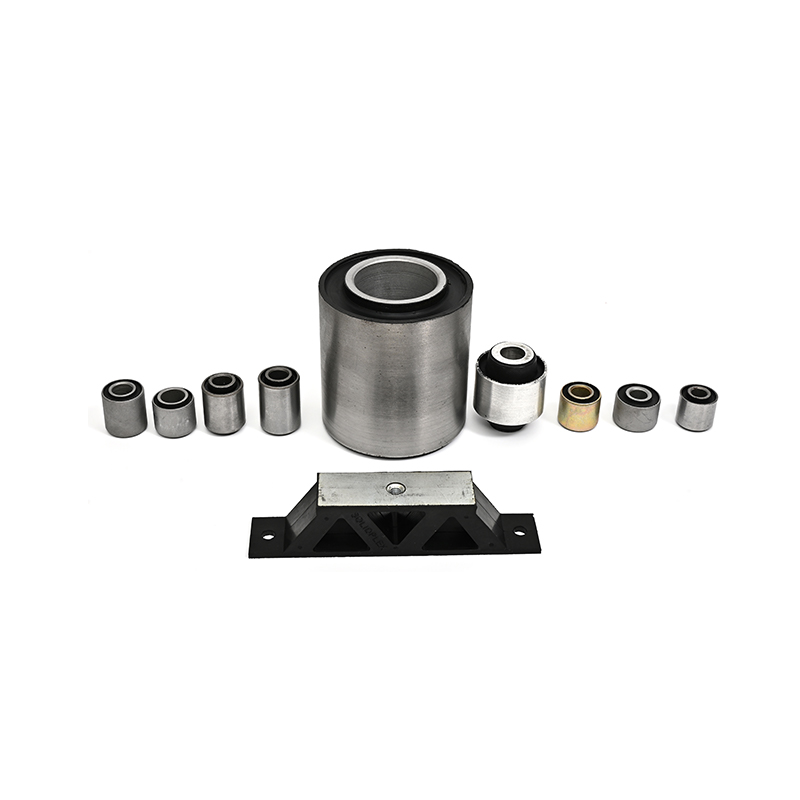
A rubber bushing in a suspension or shock absorber provides a resilient connection between metal components. Its main functions are vibration absorption, noise reduction (preventing the transmission of road and transmission noise to the car body) and compensation of angular and linear movements during suspension travel.
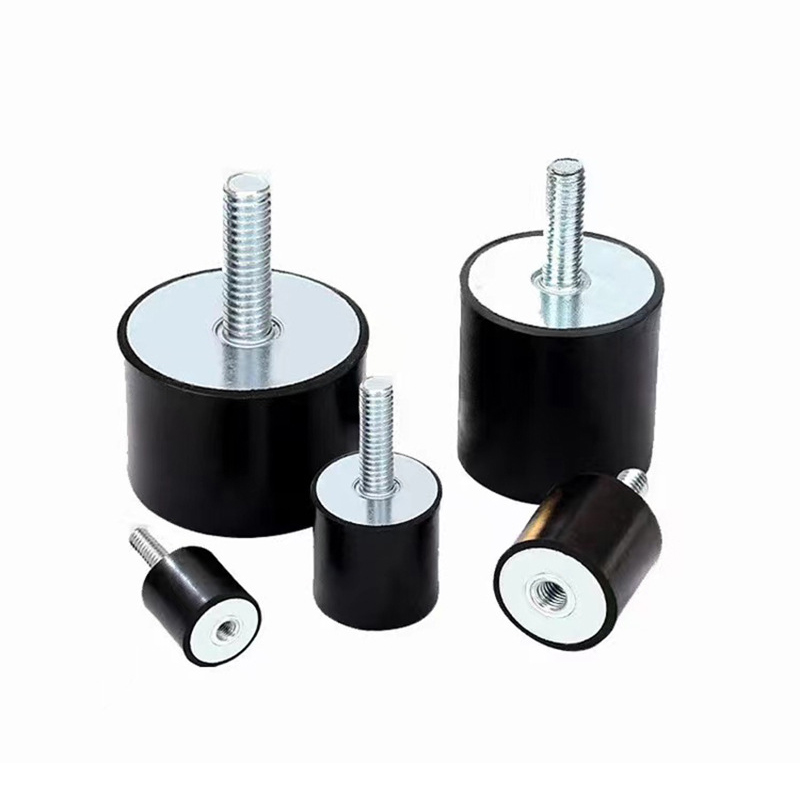
Anti-vibration dampers / Damping screws
Internal Product Code CRP-NV-001 Original English Name Anti-Vibration Dampers / Damping Screws Recommended Russian Name Anti-Vibration Shock Absorbers and Mounting Dampers
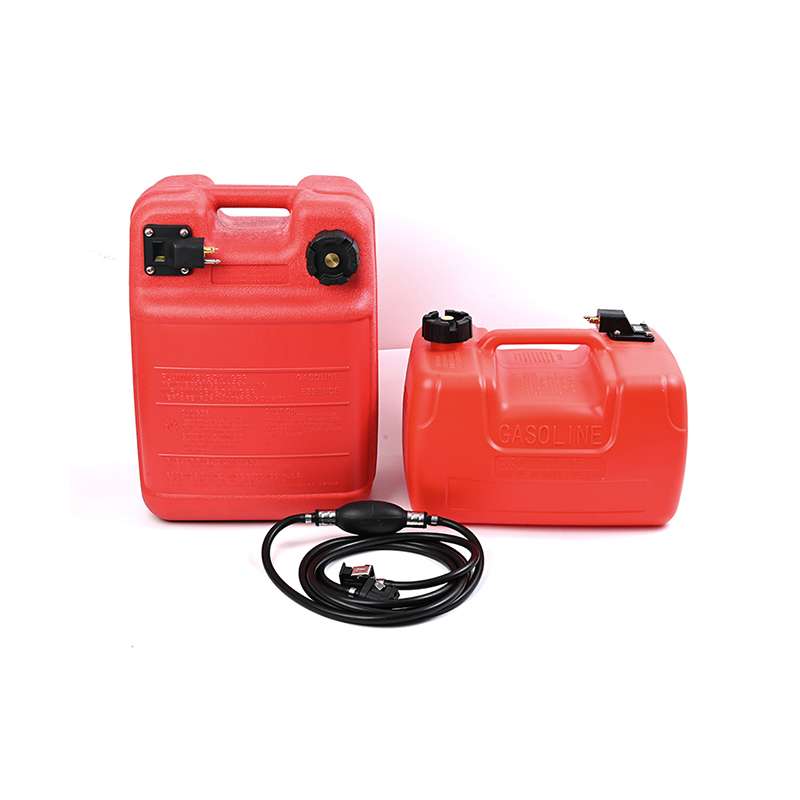
Fuel tanks and fuel level sensors
Outboard motors with an external portable fuel tank use a self-contained fuel supply system: a tank with a built-in fuel level indicator, a manual pump, a fuel hose and quick connectors. All components must work together, and each is a serviceable part subject to wear and replacement.
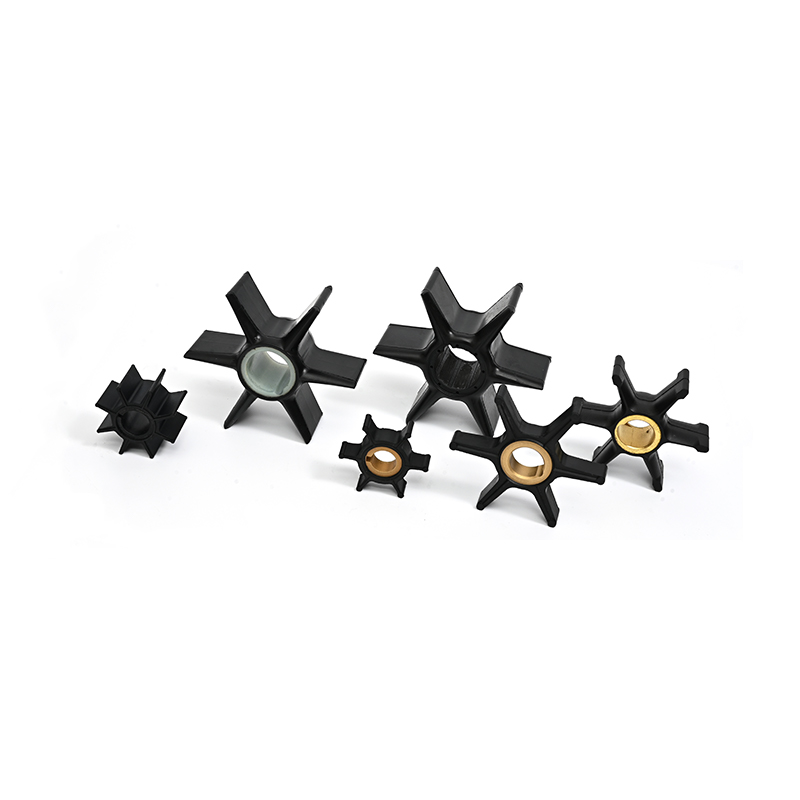
Water pump impellers
To cool the outboard motor, a continuous open water circuit is used: the seawater pump draws water from outside the boat's hull, pumps it through the engine block, and discharges it through the exhaust.
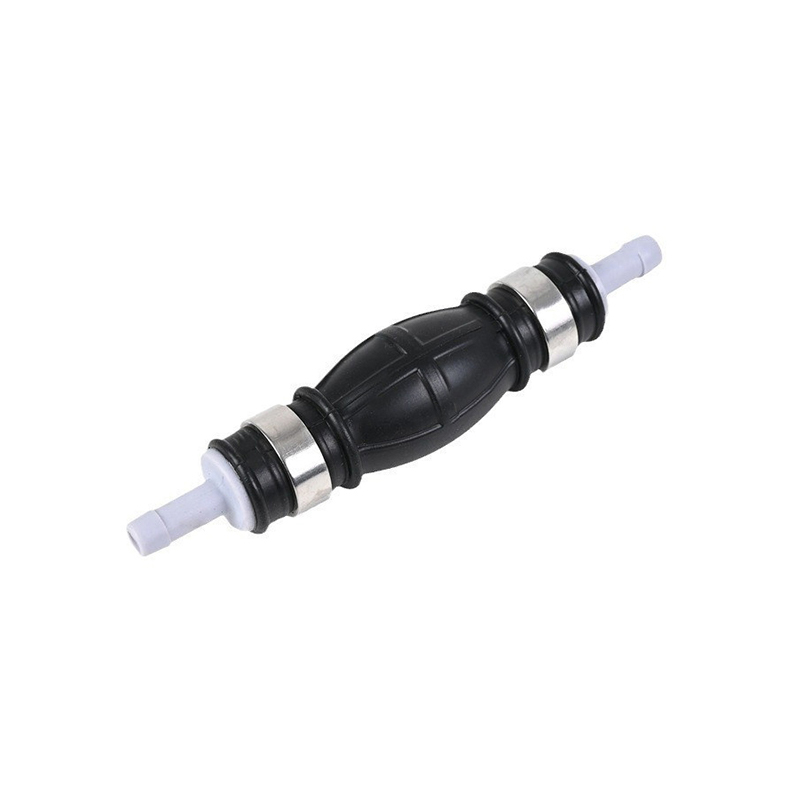
Manual fuel pumps
Manual Primer Bulb - A squeezable fuel resistant rubber bulb with two built-in one-way check valves used to manually prime the fuel line before starting the outboard motor.
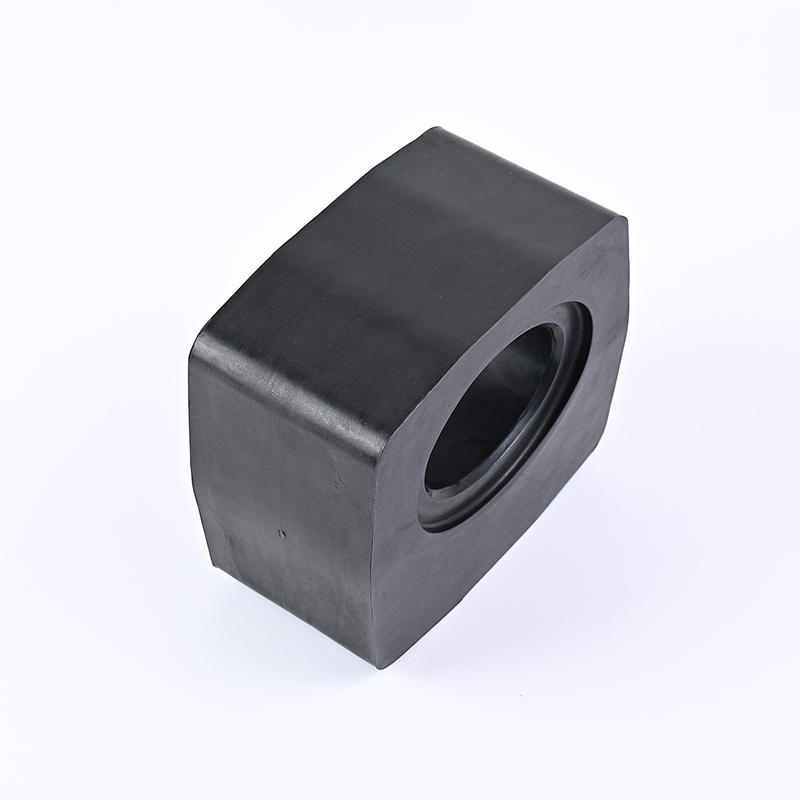
Counterweights for forklifts
JQ Rubber manufactures solid rubber counterbalance blocks for forklift counterbalance systems. The blocks are compression molded from a high-density rubber compound and have one or more pre-molded bolt holes for direct bolting to the counterweight frame.
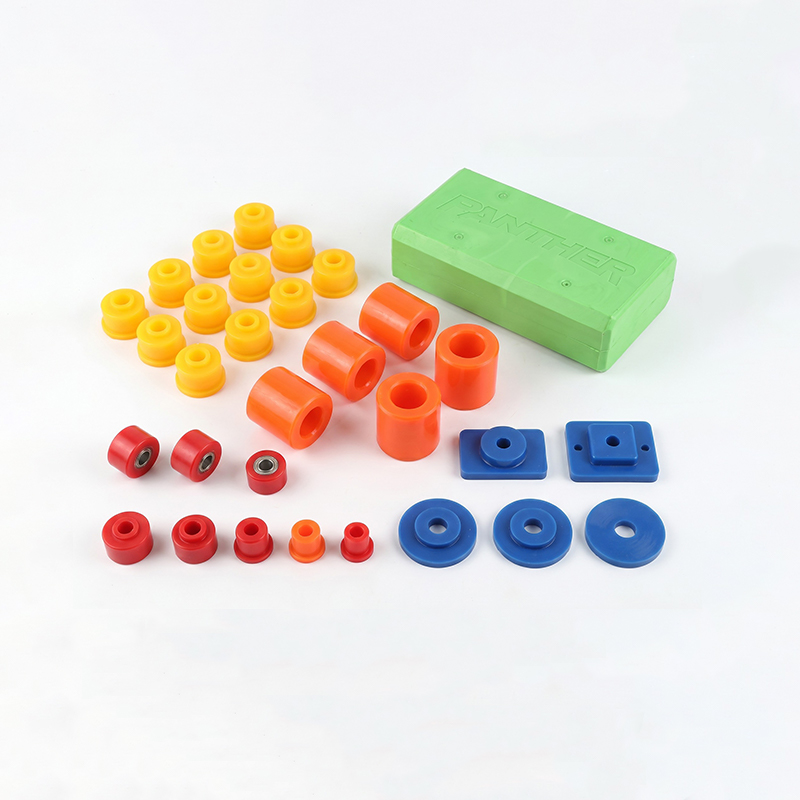
Polyurethane parts (PU)
Standard rubber compounds provide most sealing, damping and vibration isolation requirements. However, with intense abrasive wear - on sliding surfaces, scrapers, guides, rollers - the rubber wears out quickly.
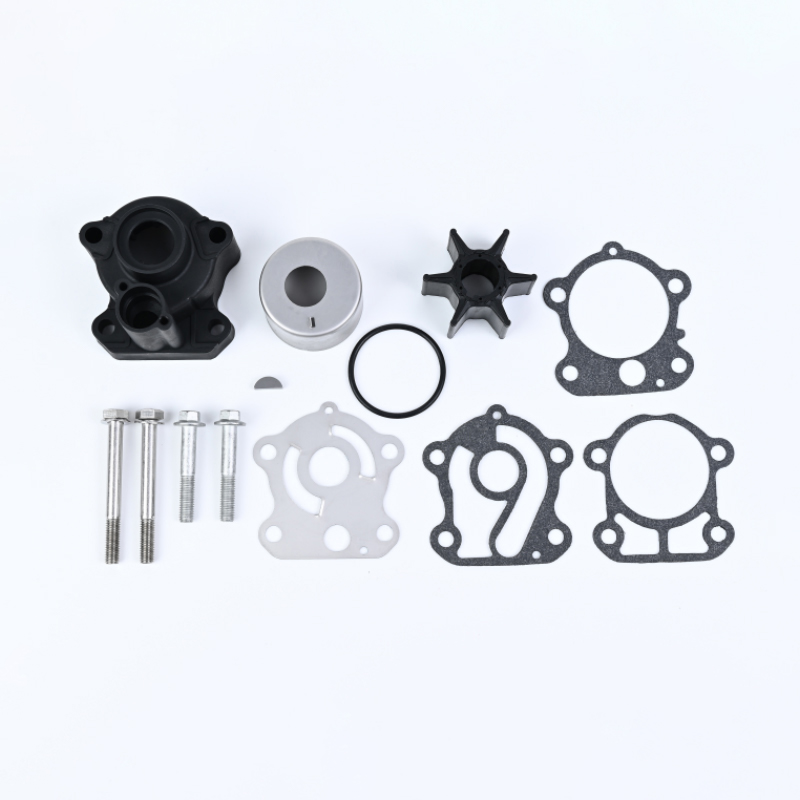
Water pump repair kits
The outboard motor's cooling system operates as an open water loop: the pump draws seawater from outside the boat's hull, pumps it through the engine, and discharges it through the exhaust.
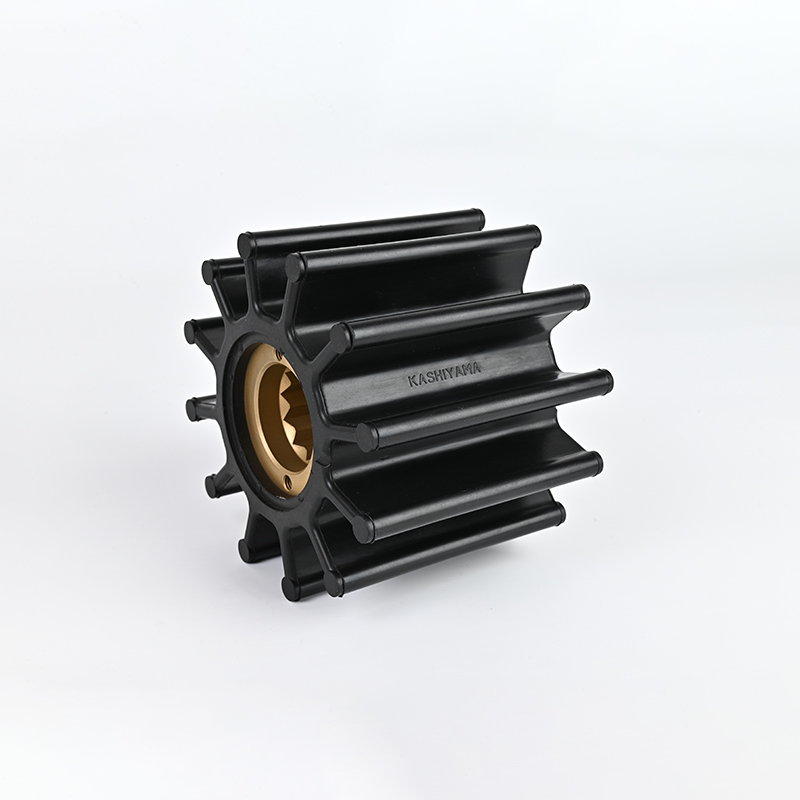
Flexible impellers (for stationary engines)
A flexible impeller is a rubber working element installed in a positive-displacement centrifugal pump, most often in the seawater pump of a stationary marine engine cooling system. As the impeller rotates inside the eccentric pump casing, its flexible blades bend and straighten to pump and draw seawater through the cooling circuit.
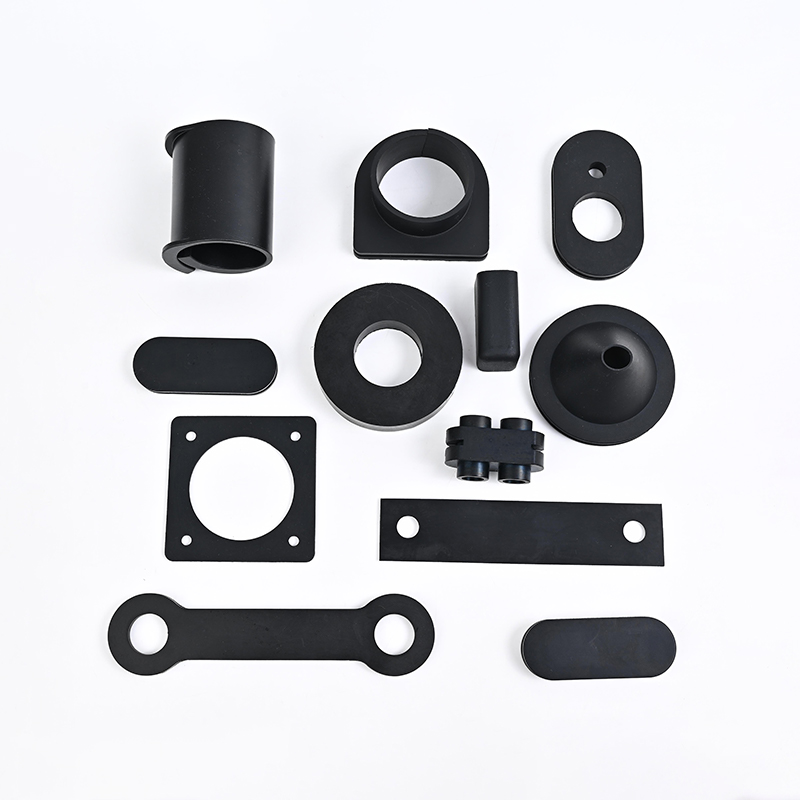
Rubber gasket
Rubber sealing components prevent fluids, gases and contaminants from passing through connections, gaps and passages. They are used in industrial equipment, hydraulic systems, engines, piping, housings and automotive assemblies wherever a sealed connection is required.
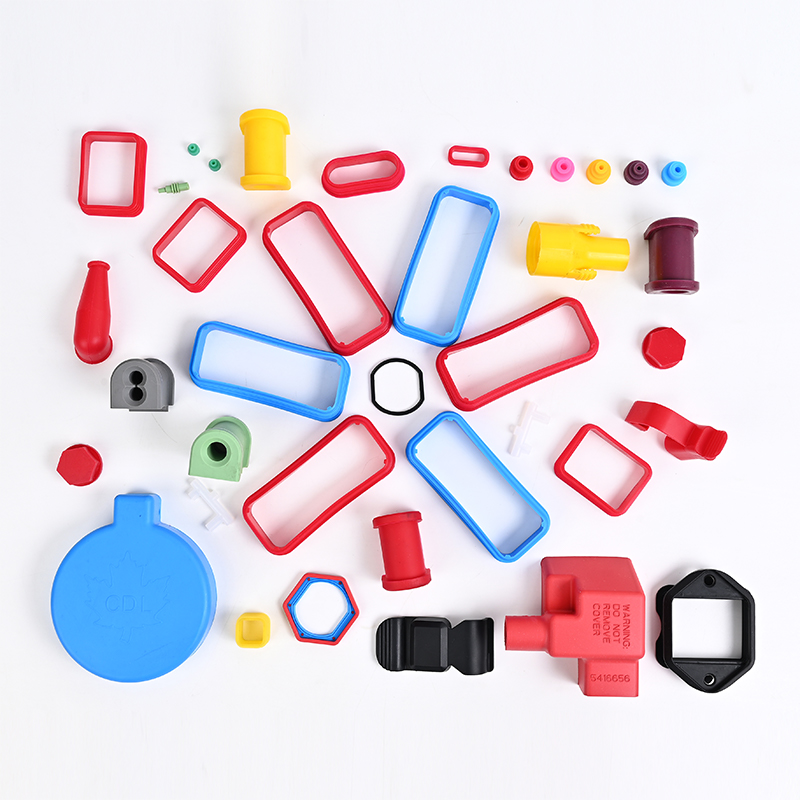
Silicone cable assemblies
JQ Rubber manufactures a wide range of custom silicone sealing components for automotive wiring harnesses and electrical connector systems.
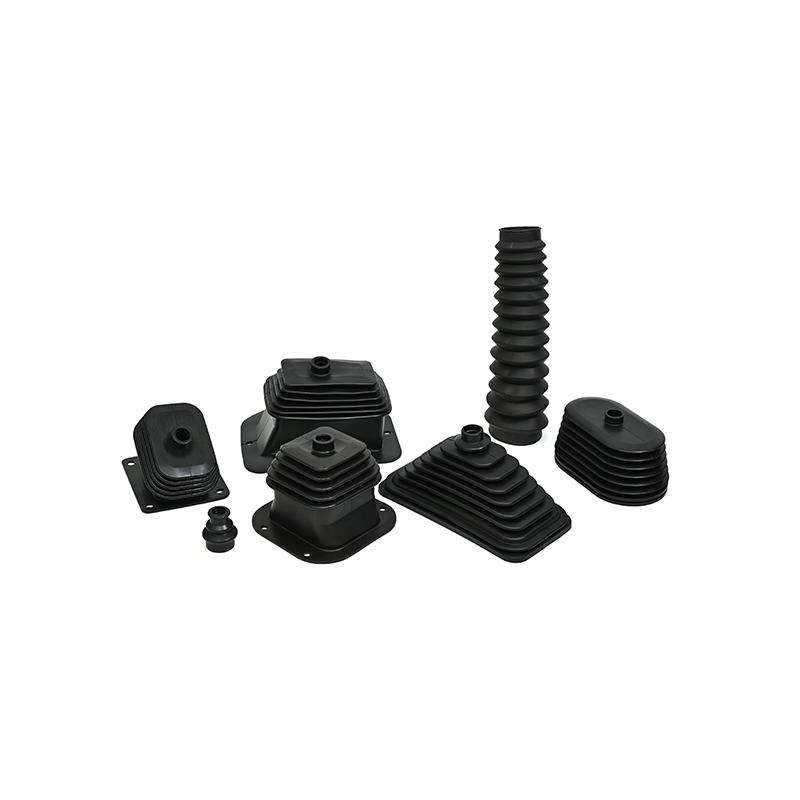
Rubber boots / telescopic boots
A rubber telescopic boot - corrugated or folded - stretches and contracts with the movement of the shaft, rod, lead screw or cylinder. It forms a continuous protective barrier between the work surface and the external environment.
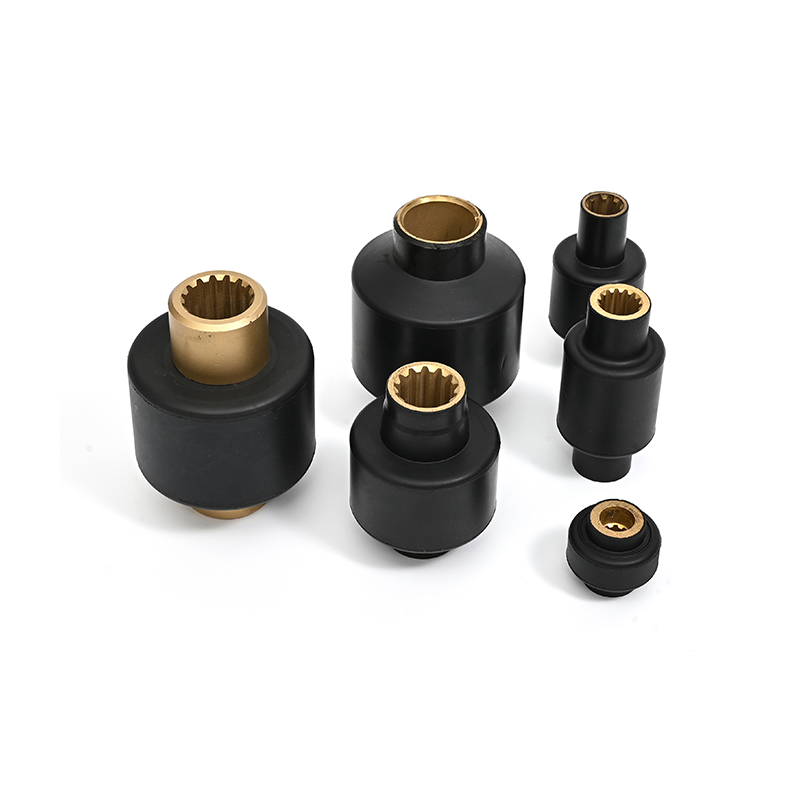
Propeller bushings
Propeller bushing (hub bushing) is a rubber element located between the propeller hub and the output end of the motor drive shaft.