

-


-


-
-


-
-


-


whatsapp

-
WeChat

-
Telegram

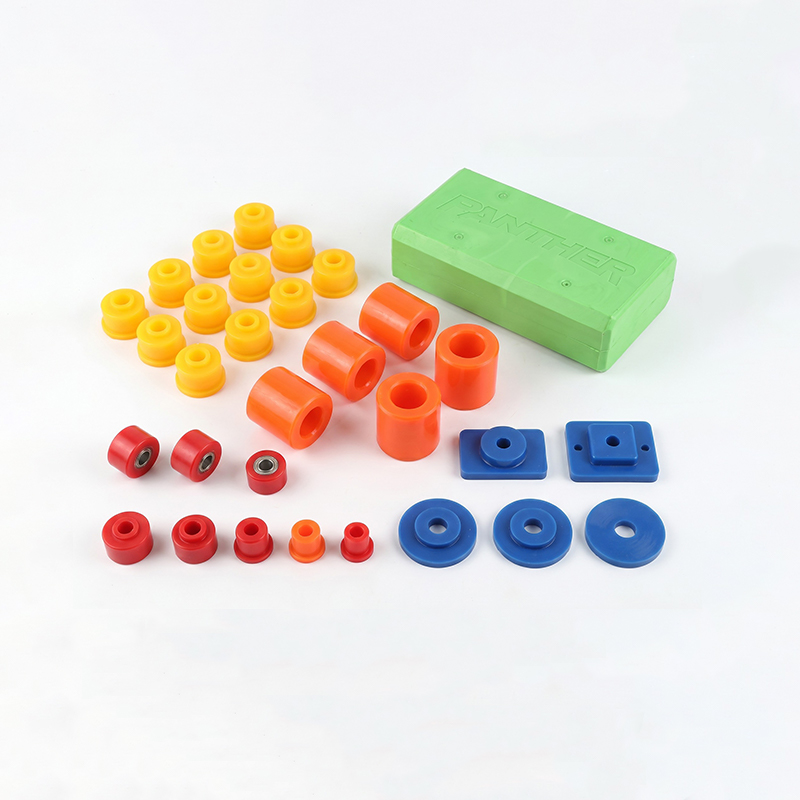
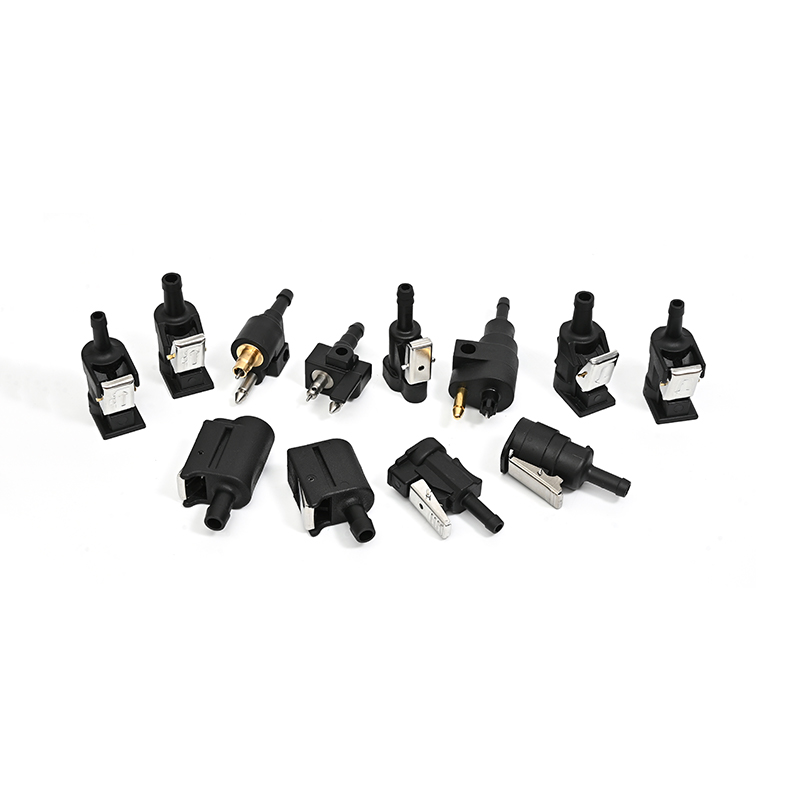
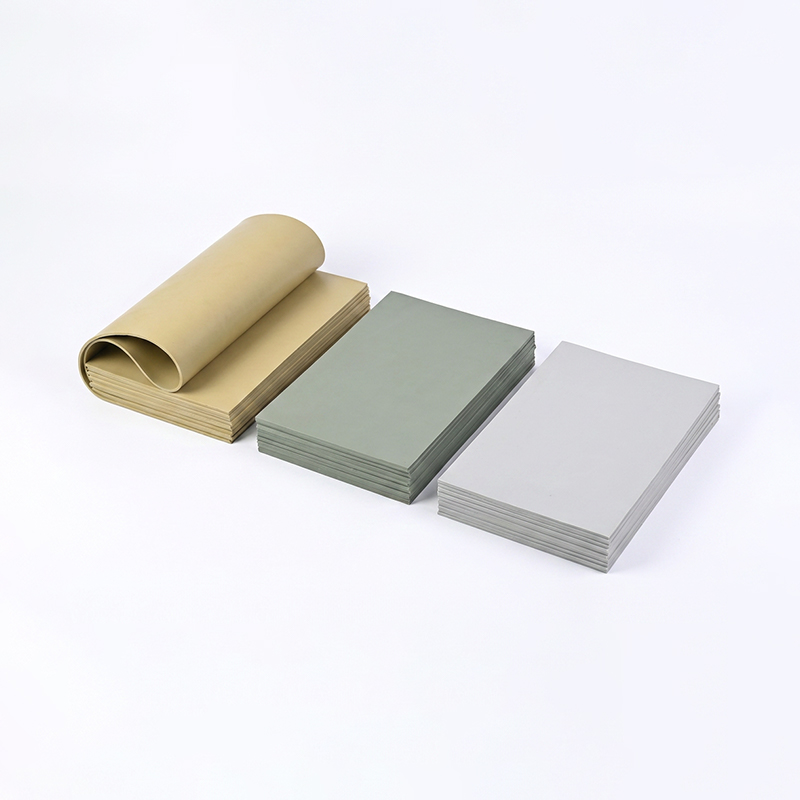
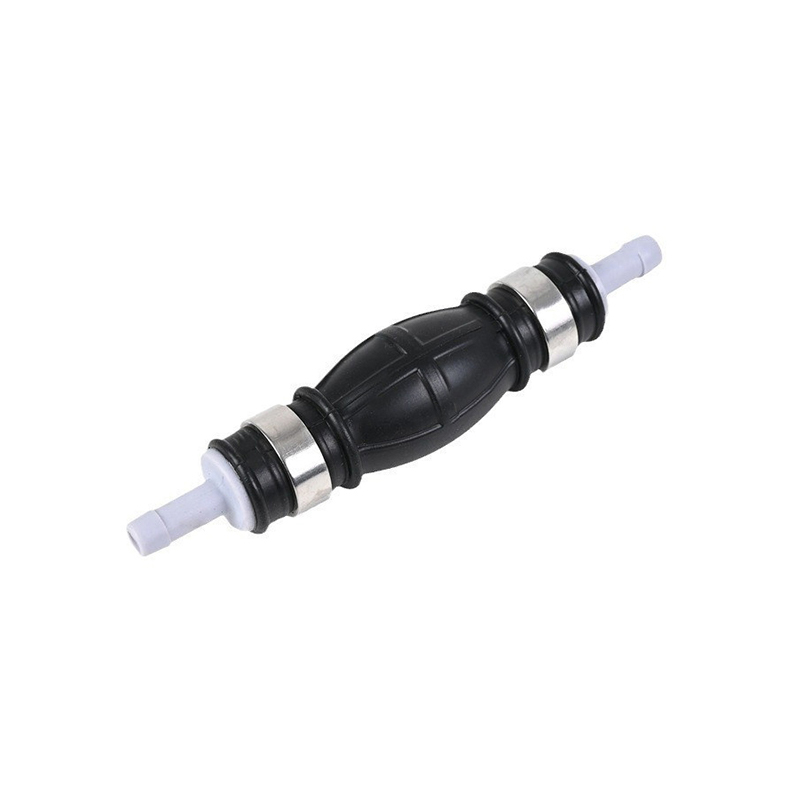
Silicone cable assemblies
JQ Rubber manufactures a wide range of custom silicone sealing components for automotive wiring harnesses and electrical connector systems.
Description
marker
Product Description
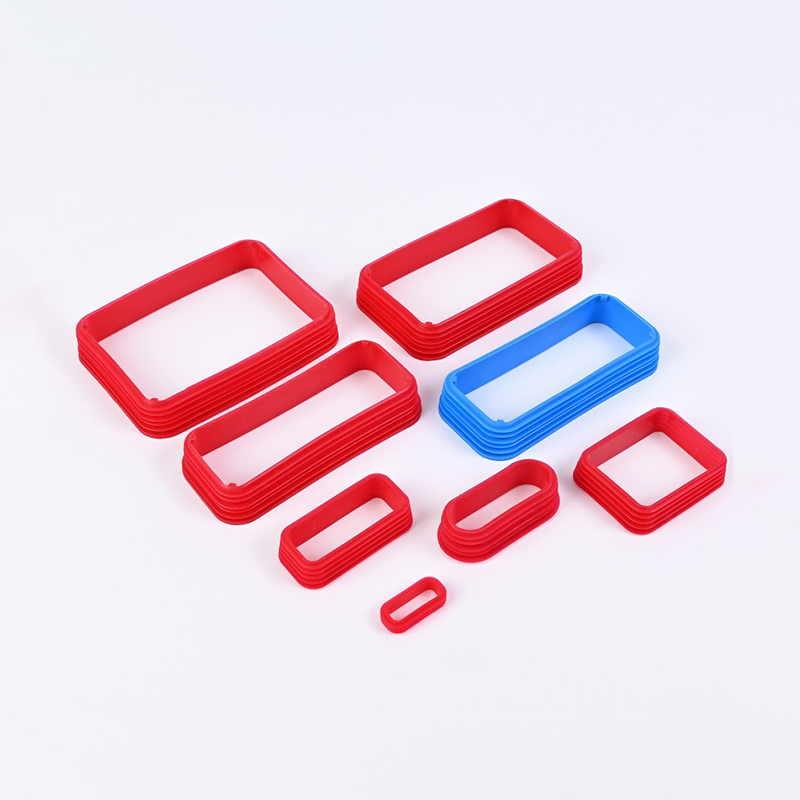
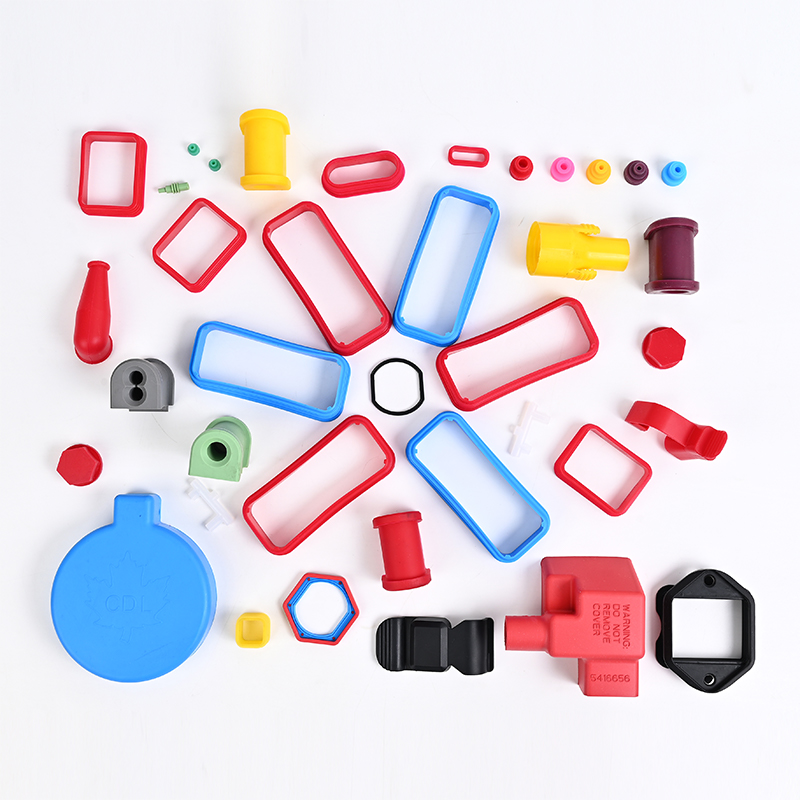
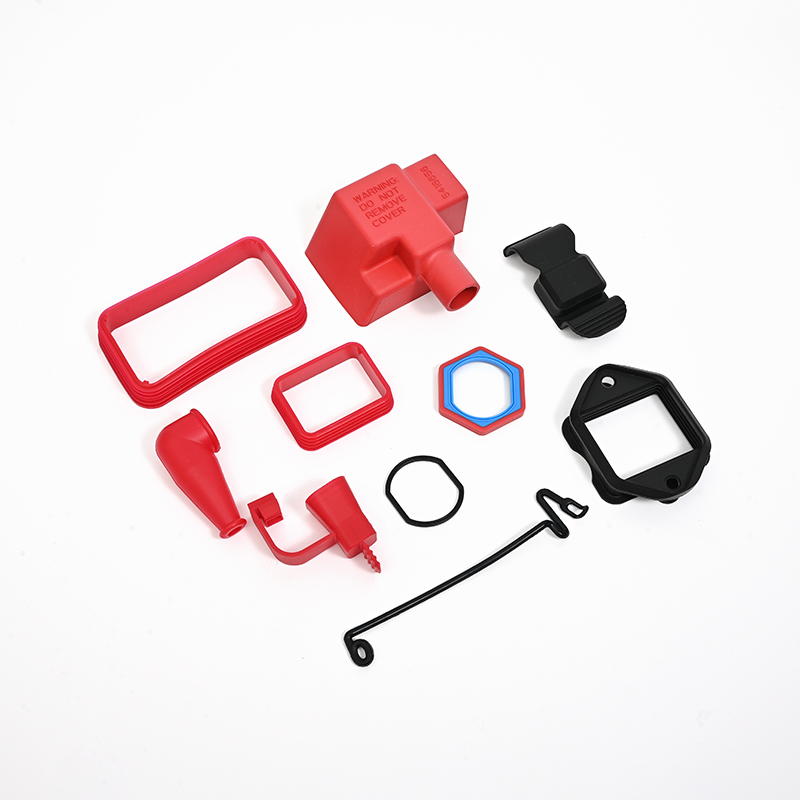
JQ Rubber manufactures a wide range of custom silicone sealing components for automotive wiring harnesses and electrical connector systems. The product range shown in the image covers the main types of sealing elements in the automotive wiring harness system:
- Frame gaskets for connectors - rectangular and square frame silicone gaskets that seal the interface between the connector body and the mating part or panel; shown in red and blue to indicate color coding during assembly
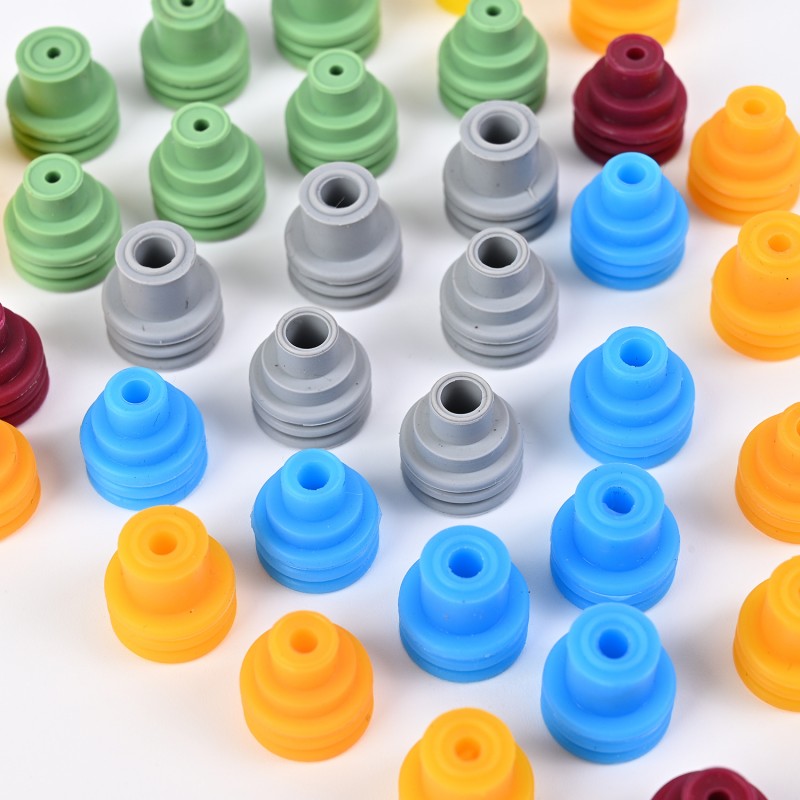
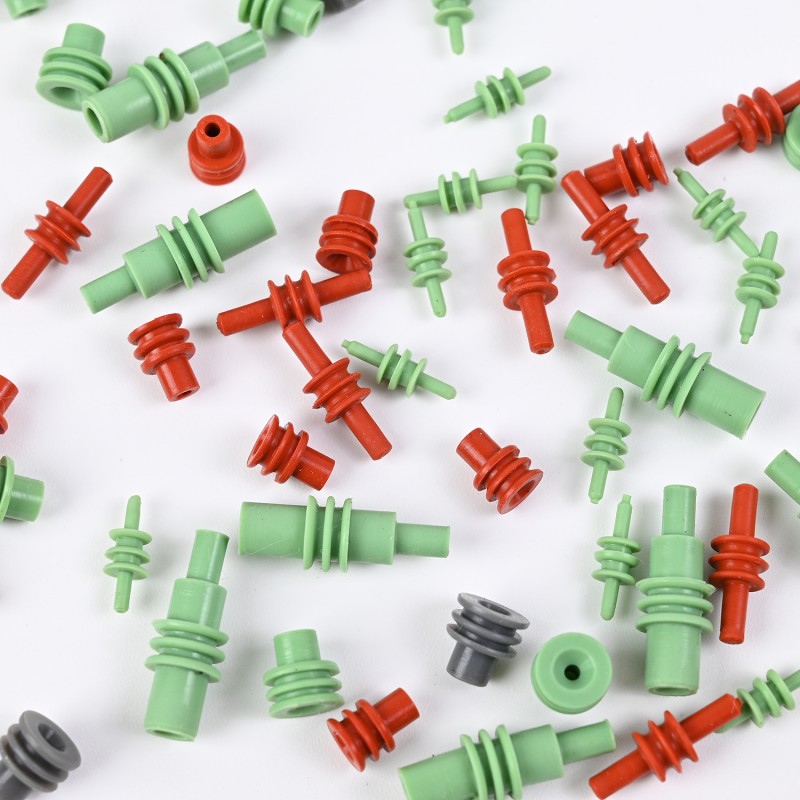
- Feed-through wire seals / multi-wire entry seals - small cylindrical or coil-shaped silicone seals that seal individual wire entries into the connector or cable entry body; Shown in multiple colors for size and chain identification
Protective battery terminal covers - large shaped silicone or rubber covers that protect the positive terminal connections from accidental short circuits and penetration of external influences; shown in red with molded warning text
Protective caps and dust covers - silicone caps for open connector ports, sensor sockets and unused terminal positions
O-Rings and Face Seals - Standard and custom silicone O-rings for sealing connector housings
All parts are made to order according to the customer's drawings. Compatibility with standard connectors of a particular brand is not assumed without a confirmed drawing or sample.
Why choose silicone for sealing wire harnesses?
Silicone rubber (VMQ) is the predominant sealing material in automotive wiring harness systems for three reasons:
Temperature Stability - The engine compartment, exhaust tunnel and battery housing in modern vehicles expose seals to prolonged temperatures well beyond the capabilities of EPDM or NBR. Silicone maintains elasticity and sealing force throughout the entire automotive temperature cycle: from cold exposure at -40 °C to continuous operation at +180 °C and short-term peaks above +200 °C.
Resistance to permanent compression deformation - The wiring harness seal must maintain contact sealing force throughout the life of the vehicle without permanent deformation in the compressed state. The low compression set of silicone ensures that the design contact pressure of the seal is maintained years after installation.
Color coding - silicone can be easily painted in any color without affecting its mechanical or electrical properties. In automotive wiring harness systems, color-coded seals are used as a means of misassembly protection (poka-yoke): each connector family or voltage class has a different seal color to prevent incorrect assembly on the line. JQ Rubber can produce any color to customer specification.
Chemical Resistance - Automotive silicone seals are exposed to engine oil, transmission fluid, brake fluid, coolant and road salt. Silicone is resistant to all common automotive fluids at normal operating temperatures.
Production
Parts are manufactured using compression molding or liquid silicone injection molding (LSR/LIM). Molds are produced in-house. Before shipment, all parts undergo 100% visual inspection for the presence of flash, tears and compliance with dimensions. Color selection is carried out according to the color sample provided by the customer or RAL/Pantone specification.
How to place an order
Please provide the connector model designation and a drawing or physical sample. For new designs, provide connector body geometry and required IP rating - we recommend seal profile and compound hardness to achieve target sealing performance.
contact us
Related Popular Products
Rubber brush roller
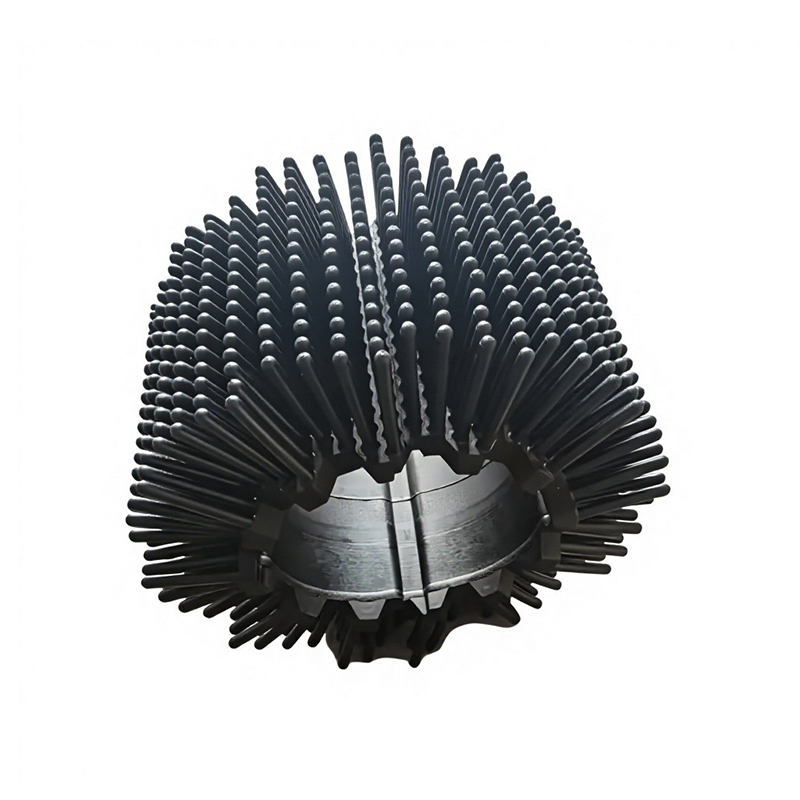
JQ Rubber manufactures rubber bristle discs that form the working cleaning element of the conveyor belt brush shaft. Each disc is a one-piece compression molded rubber component with a central hole and a dense array of radially projecting rubber fingers. The customer assembles several discs on a shaft, forming a complete cleaning shaft of the required working width.
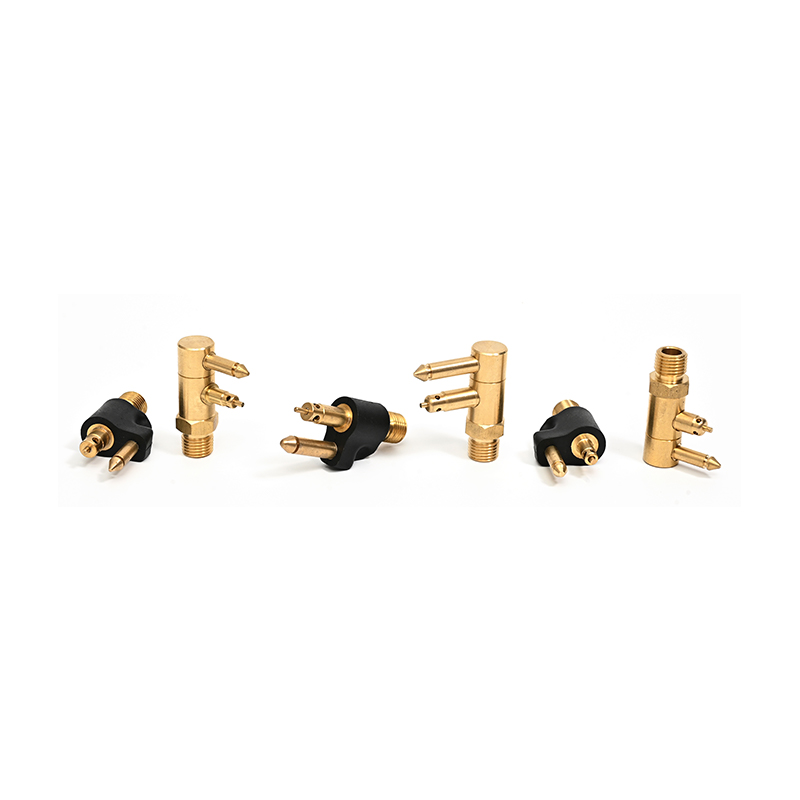
Brass fittings
The fuel connector is a quick-disconnect fitting that supplies fuel from the outboard motor's portable tank to the engine. The system consists of two parts: a tank-side connector and an engine-side connector, each available in a male or female version.
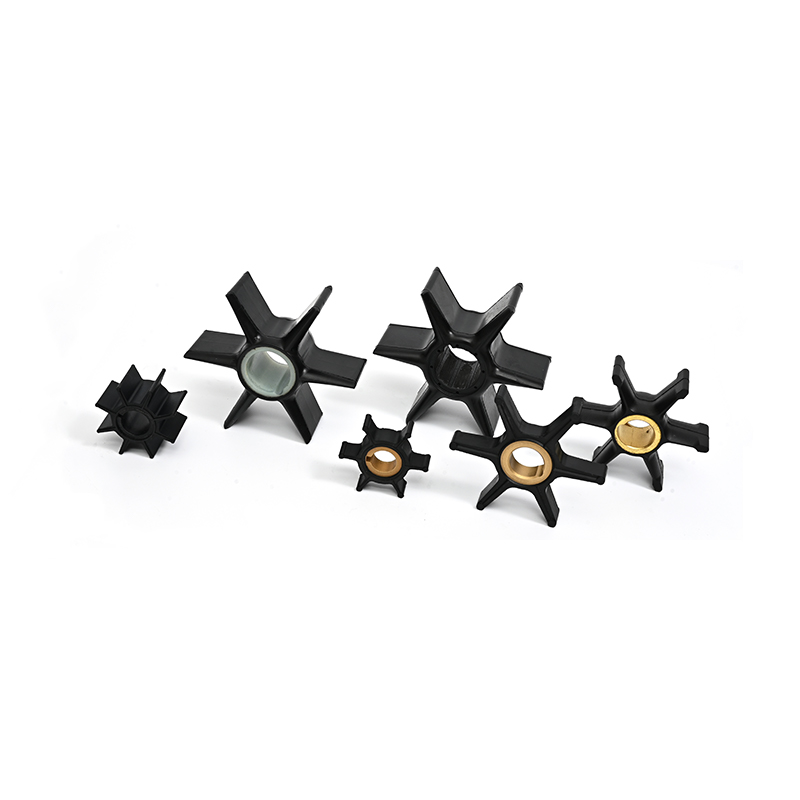
Water pump impellers
To cool the outboard motor, a continuous open water circuit is used: the seawater pump draws water from outside the boat's hull, pumps it through the engine block, and discharges it through the exhaust.
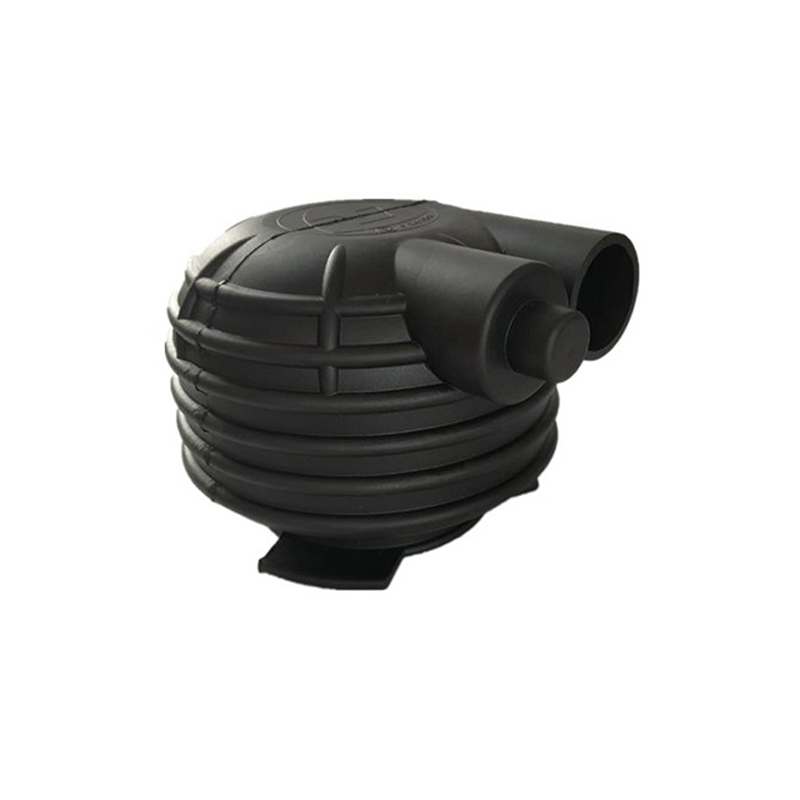
Custom molded rubber products (general industry)
Custom molded rubber parts are produced by placing an unvulcanized rubber compound into a precision steel mold and applying heat and pressure to vulcanize the rubber into a specified shape.
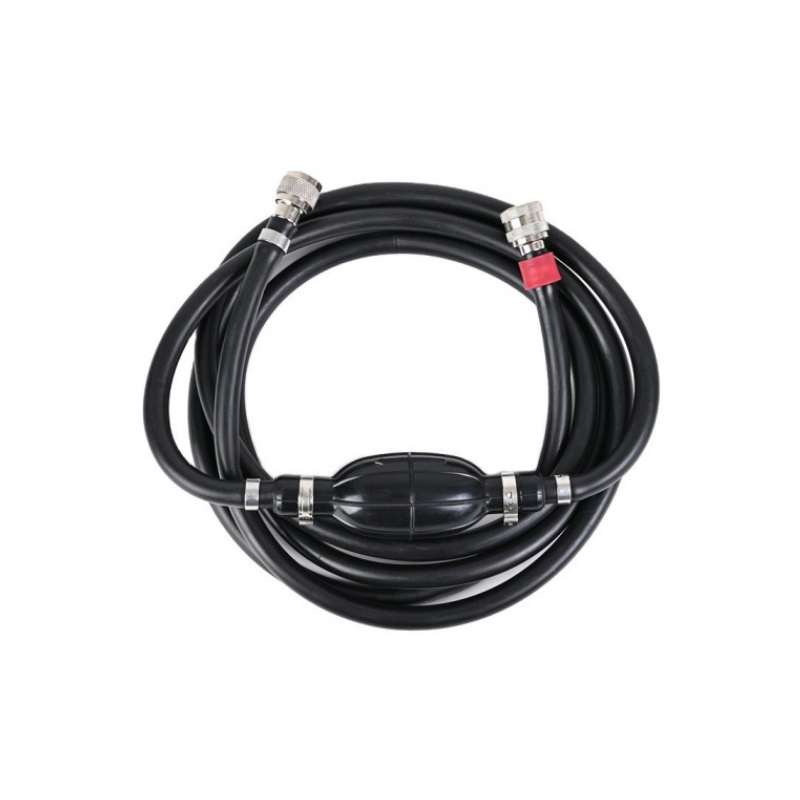
Fuel Lines and Hose Kits
The fuel hose is the critical link between your portable fuel tank and your outboard engine. Over time, rubber compounds lose flexibility, reinforcing braids are destroyed, and microcracks appear in the connector landing areas. A kinked hose, discoloration of rubber, or smell of fuel in the boat are reliable signs that replacement is needed.
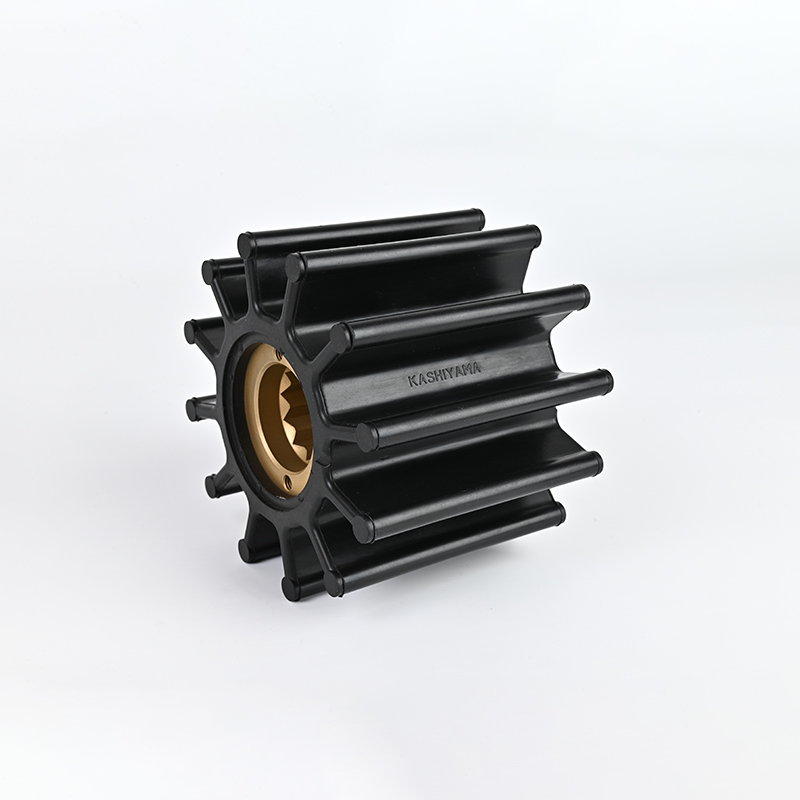
Flexible impellers (for stationary engines)
A flexible impeller is a rubber working element installed in a positive-displacement centrifugal pump, most often in the seawater pump of a stationary marine engine cooling system. As the impeller rotates inside the eccentric pump casing, its flexible blades bend and straighten to pump and draw seawater through the cooling circuit.
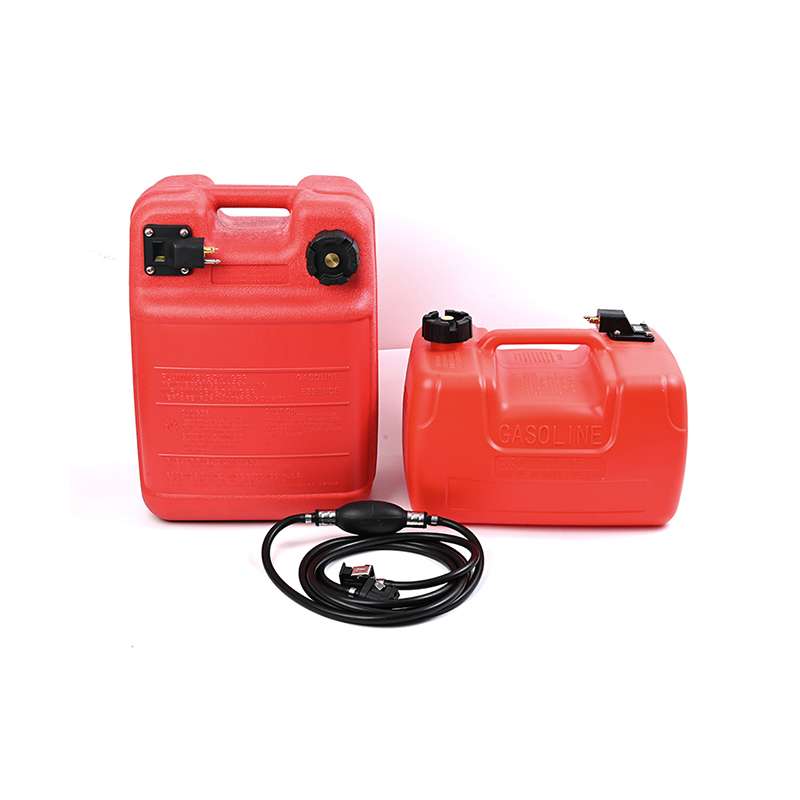
Fuel tanks and fuel level sensors
Outboard motors with an external portable fuel tank use a self-contained fuel supply system: a tank with a built-in fuel level indicator, a manual pump, a fuel hose and quick connectors. All components must work together, and each is a serviceable part subject to wear and replacement.
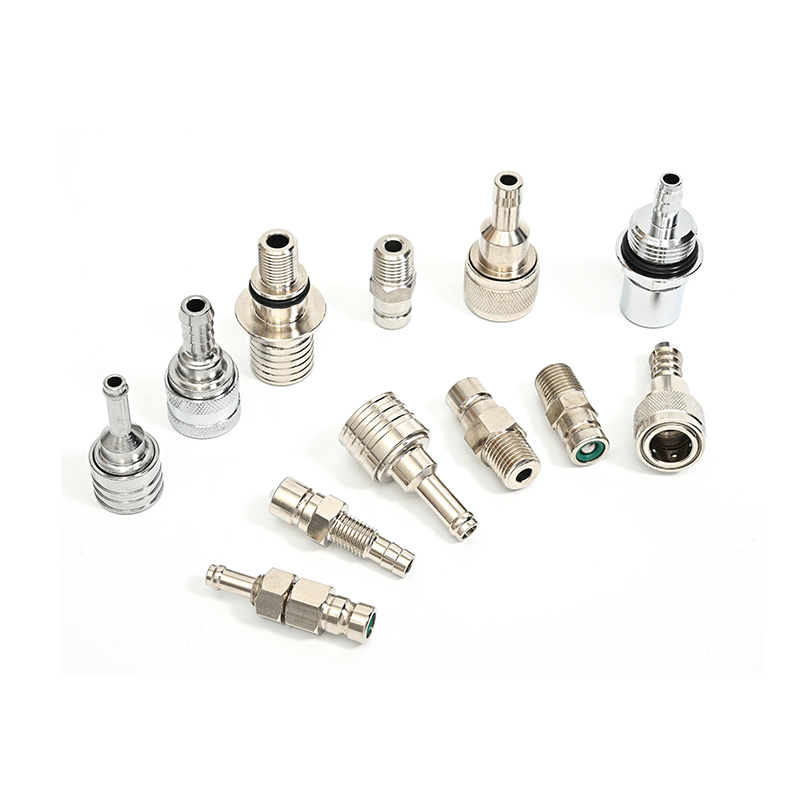
Metal fittings
The fuel connector is a quick-disconnect fitting that supplies fuel from the outboard motor's portable tank to the engine. The system consists of two parts: a tank-side connector and an engine-side connector, each available in a male or female version.
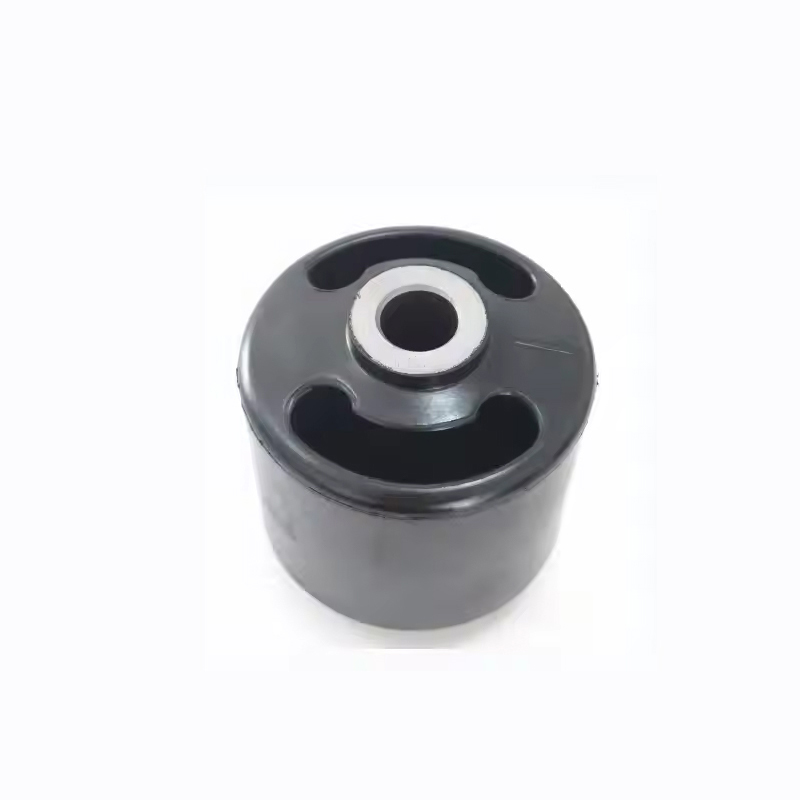
Rubber bushings
A rubber bushing in a suspension or shock absorber provides a resilient connection between metal components. Its main functions are vibration absorption, noise reduction (preventing the transmission of road and transmission noise to the car body) and compensation of angular and linear movements during suspension travel.
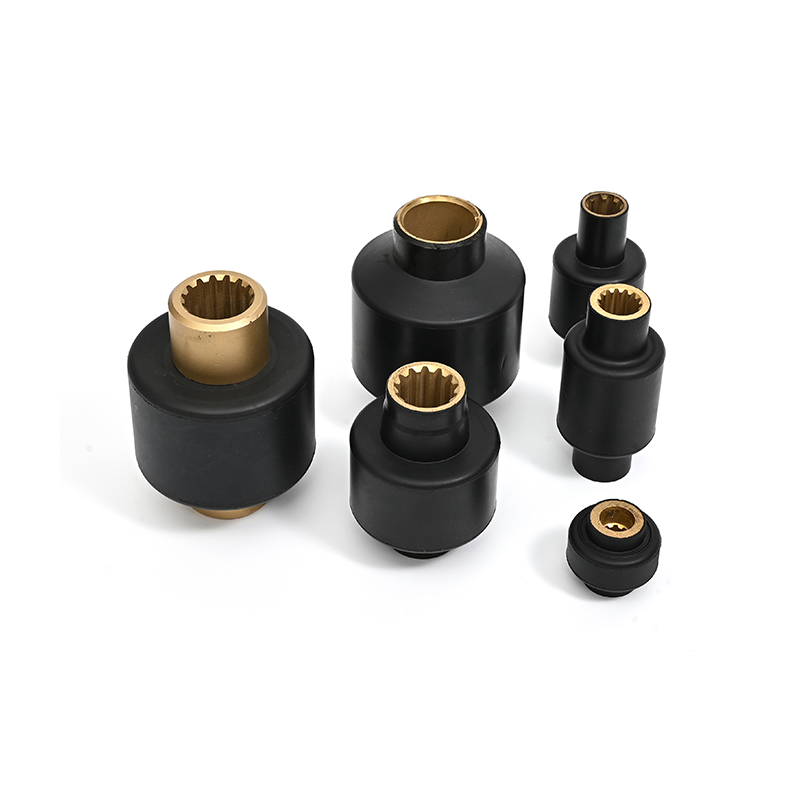
Propeller bushings
Propeller bushing (hub bushing) is a rubber element located between the propeller hub and the output end of the motor drive shaft.
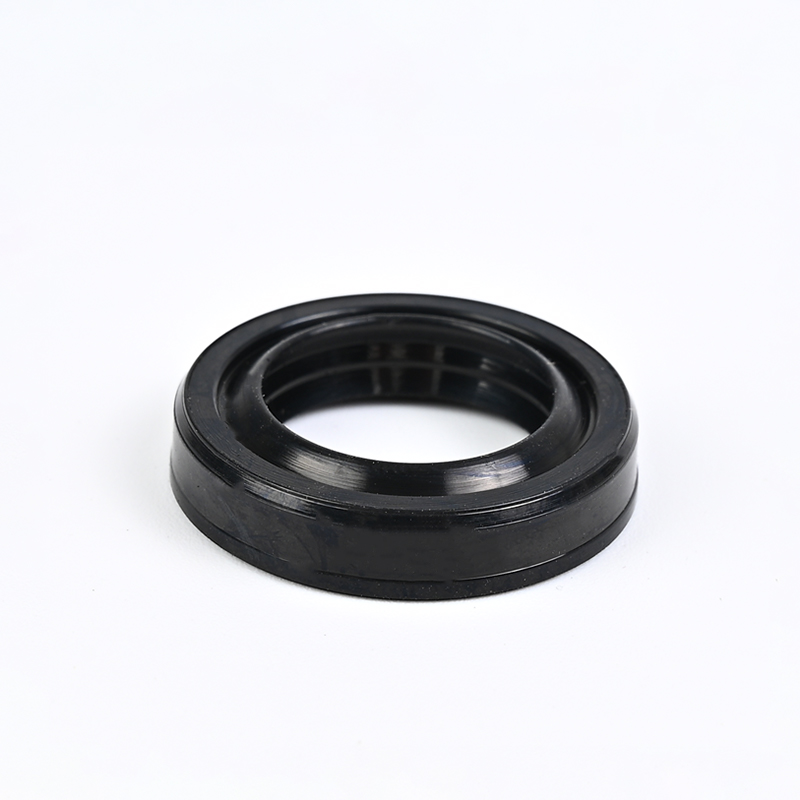
Oil seals
The outboard motor operates in constant contact with water - fresh or salt. The lower gear housing contains gear oil, which must remain isolated from surrounding water. This separation is ensured by seals on the propeller, drive and intermediate shafts.
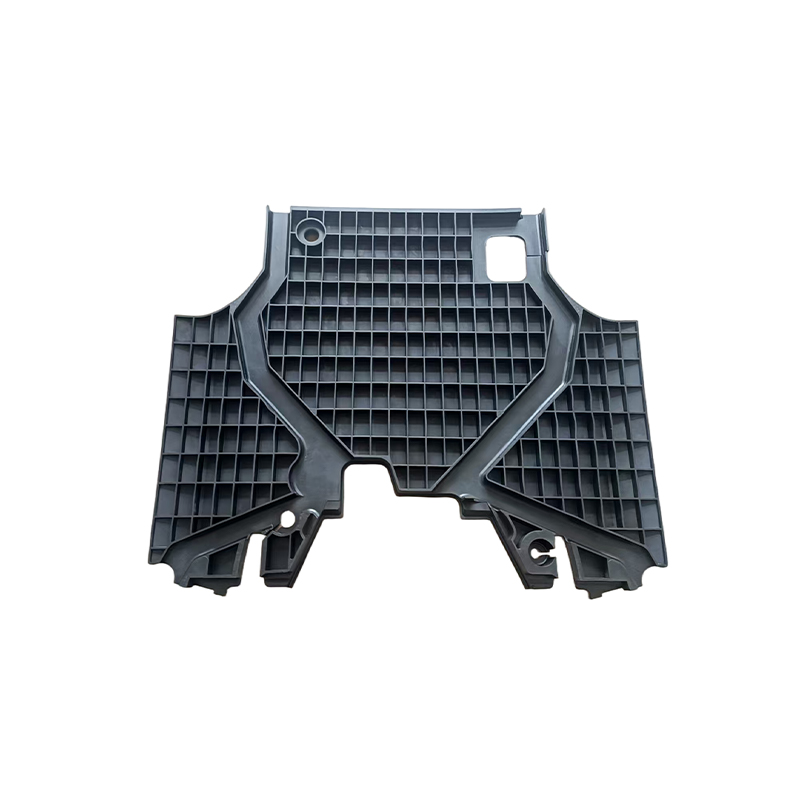
Mats for construction equipment
Rubber mats and pedal pads are functional components of the tractor and agricultural machine cab that provide operator traction with controls, reduce vibration load on the feet and knees, and also protect the metal surfaces of the floor and pedals from wear and slipping.
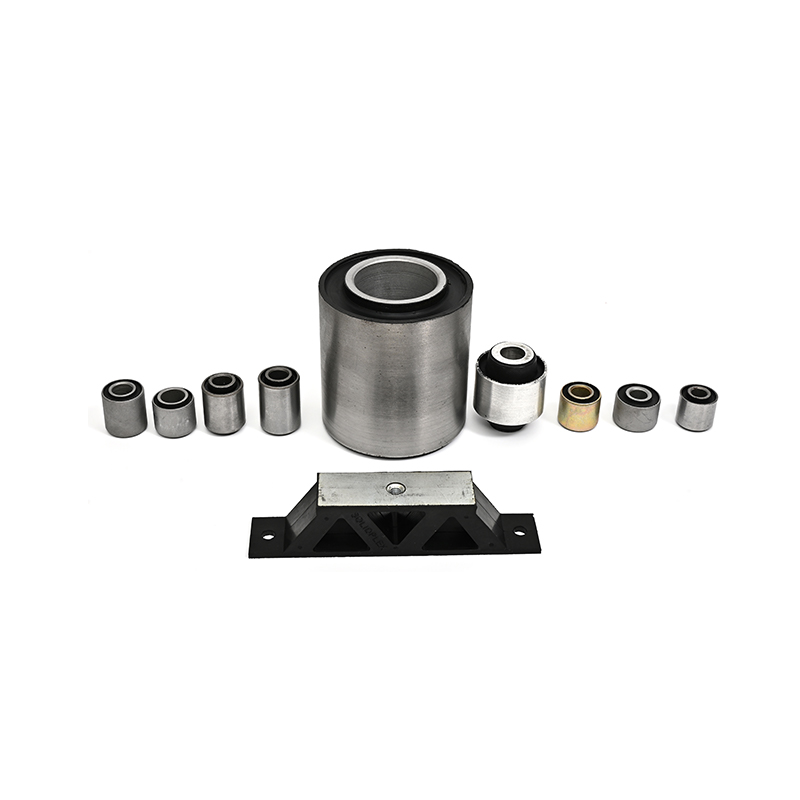
CRP-BN-001
A rubber-metal part is a structural element in which a rubber layer is chemically and mechanically connected to a metal base during hot vulcanization.
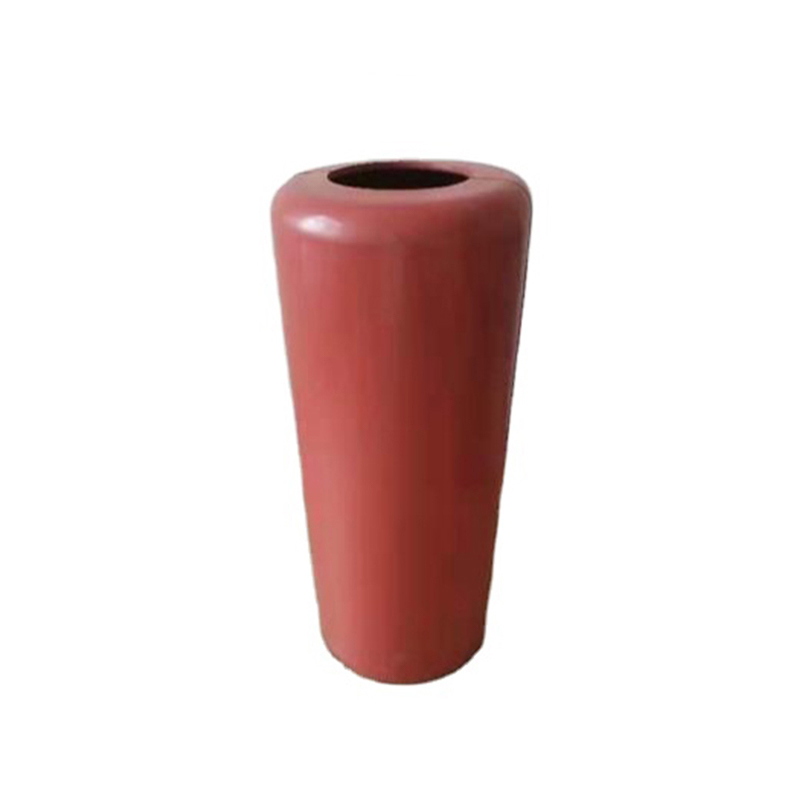
Rubber cylinders and membranes
Rubber cylinders and membranes are sealed or open-ended flexible rubber elements that change volume or transmit force under the influence of liquid or gas pressure.
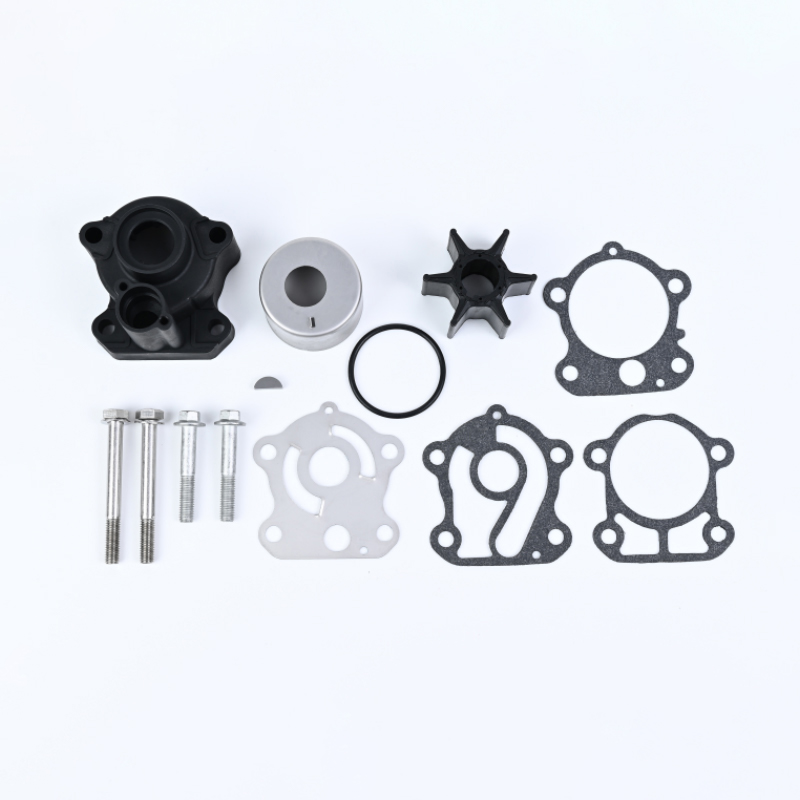
Water pump repair kits
The outboard motor's cooling system operates as an open water loop: the pump draws seawater from outside the boat's hull, pumps it through the engine, and discharges it through the exhaust.
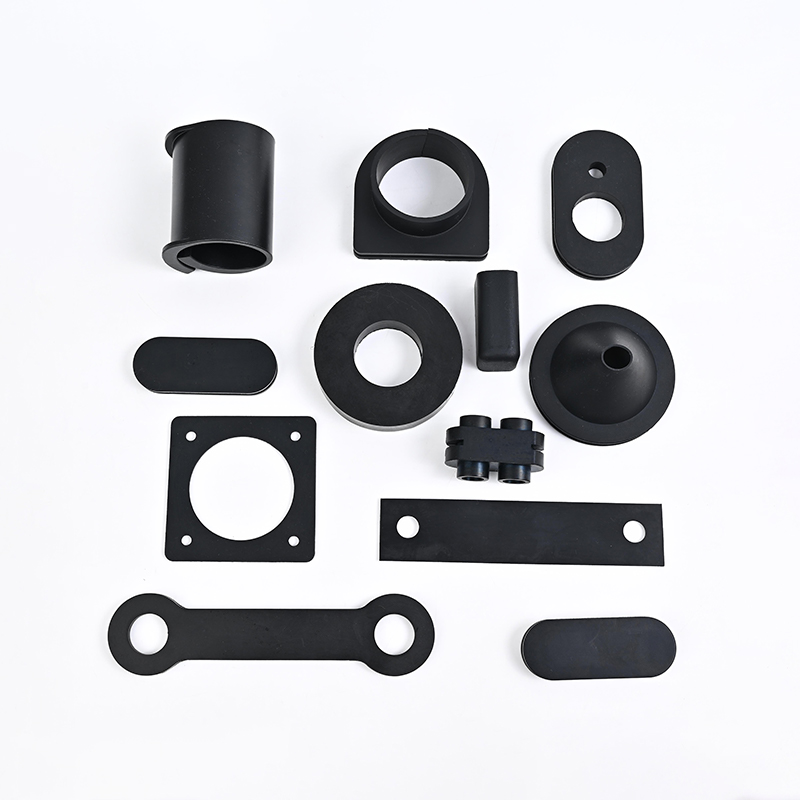
Rubber gasket
Rubber sealing components prevent fluids, gases and contaminants from passing through connections, gaps and passages. They are used in industrial equipment, hydraulic systems, engines, piping, housings and automotive assemblies wherever a sealed connection is required.