

-


-


-
-


-
-


-


whatsapp

-
WeChat

-
Telegram

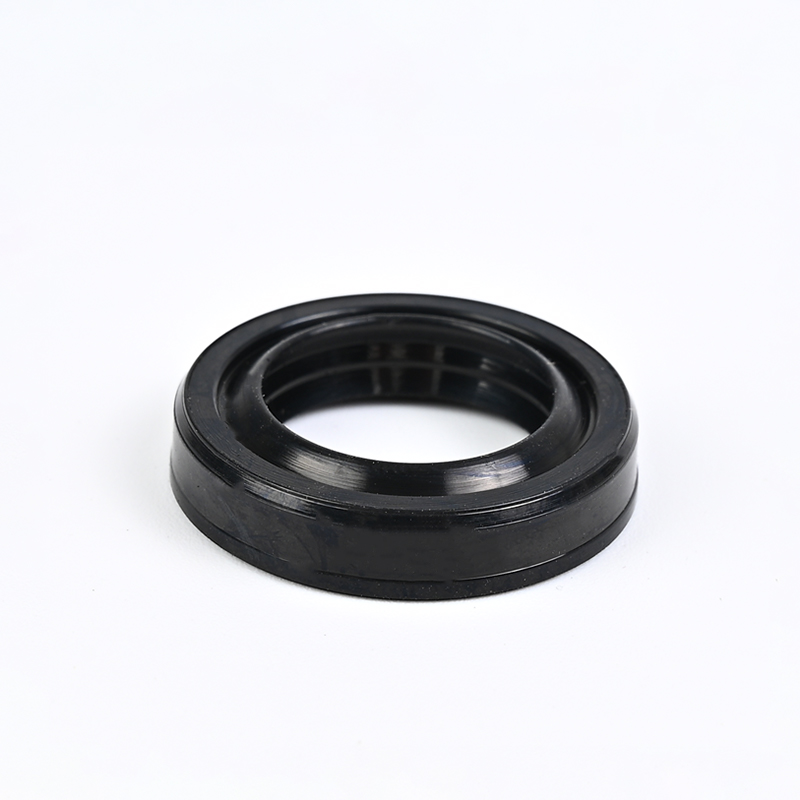
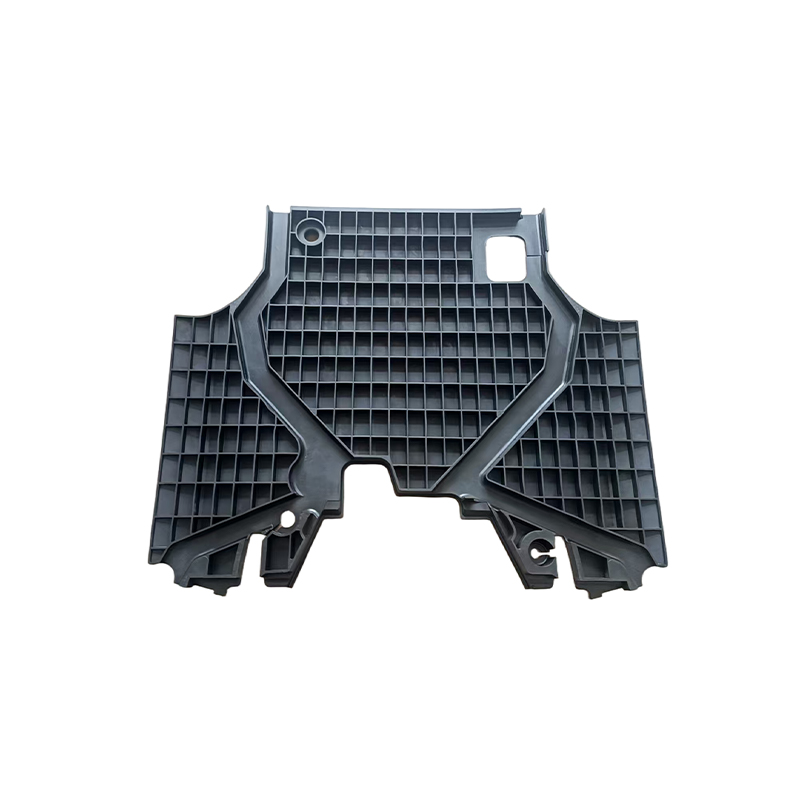
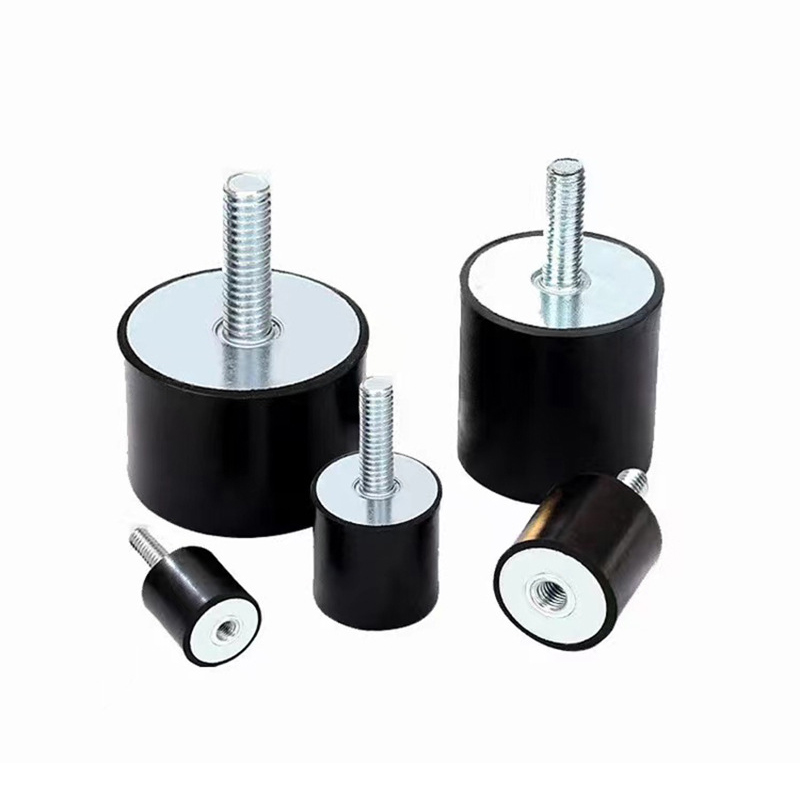
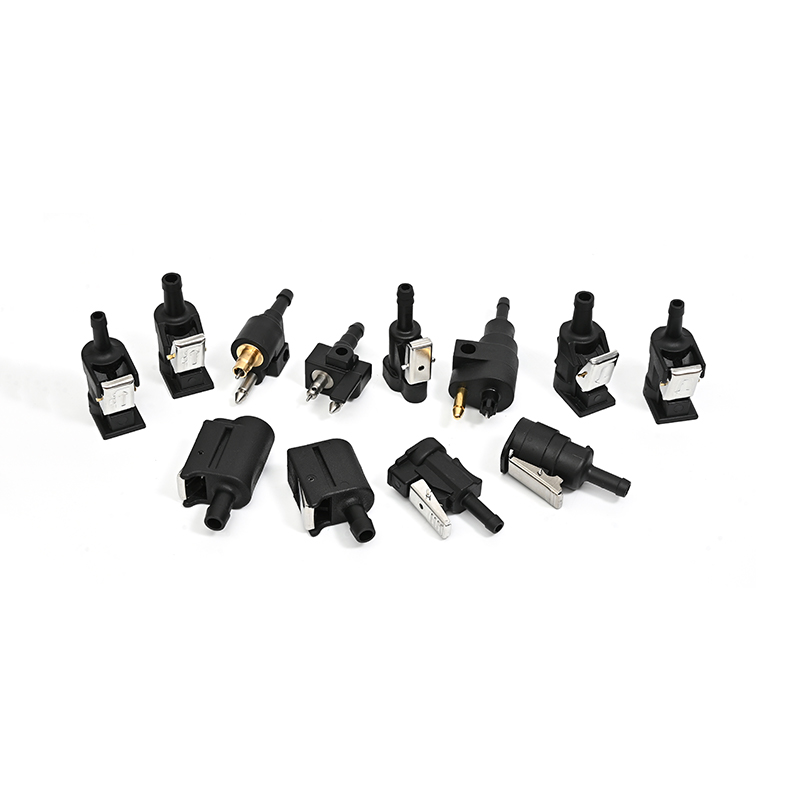
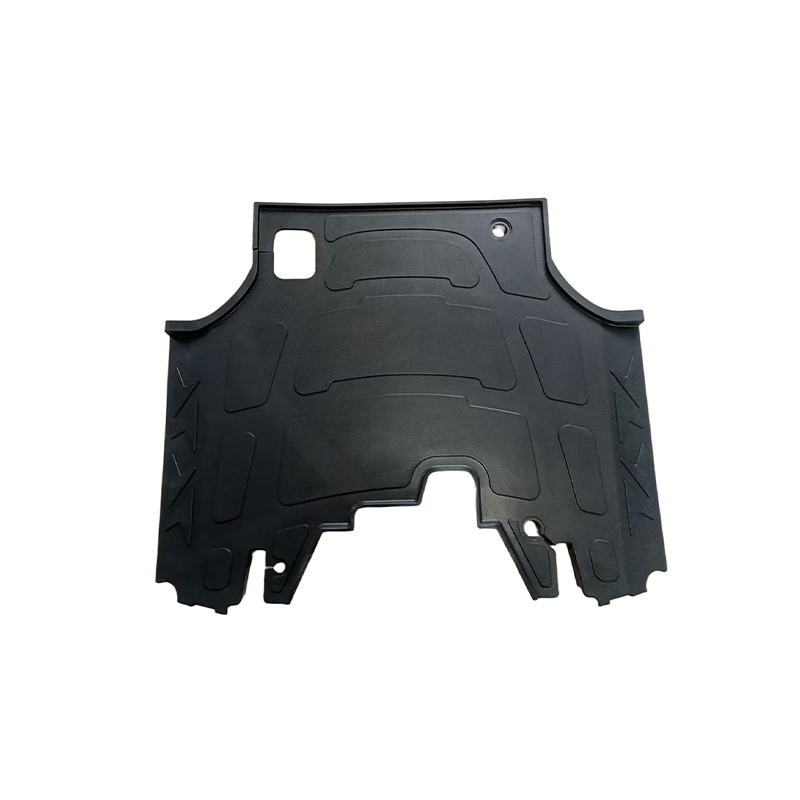
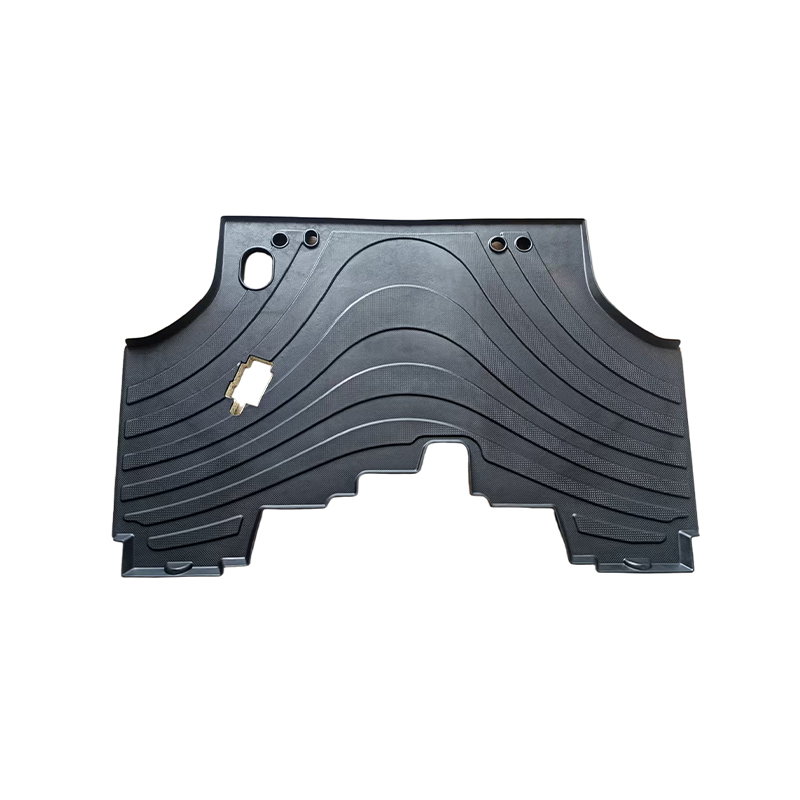
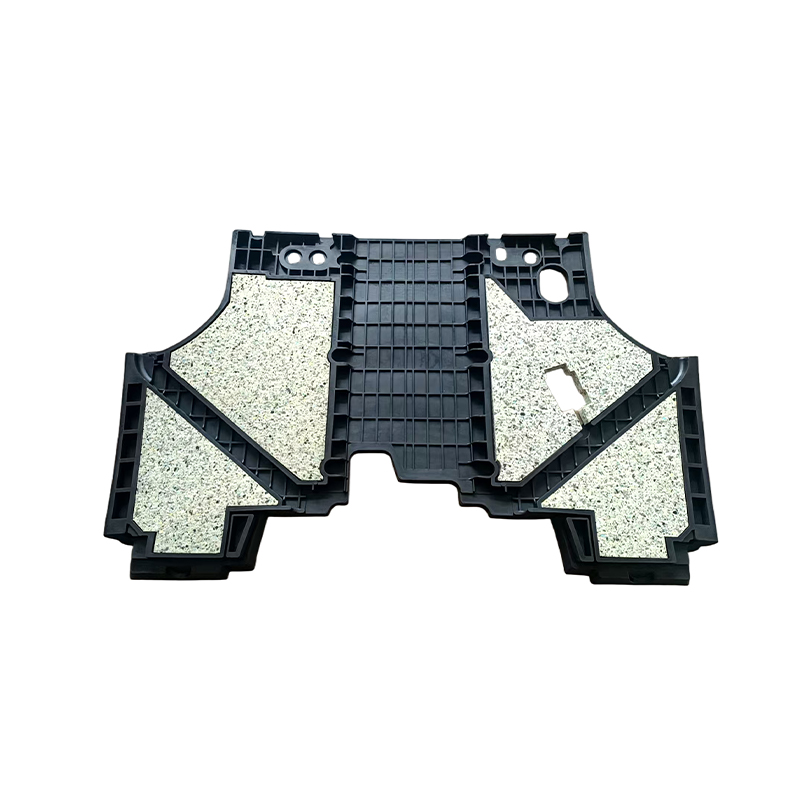
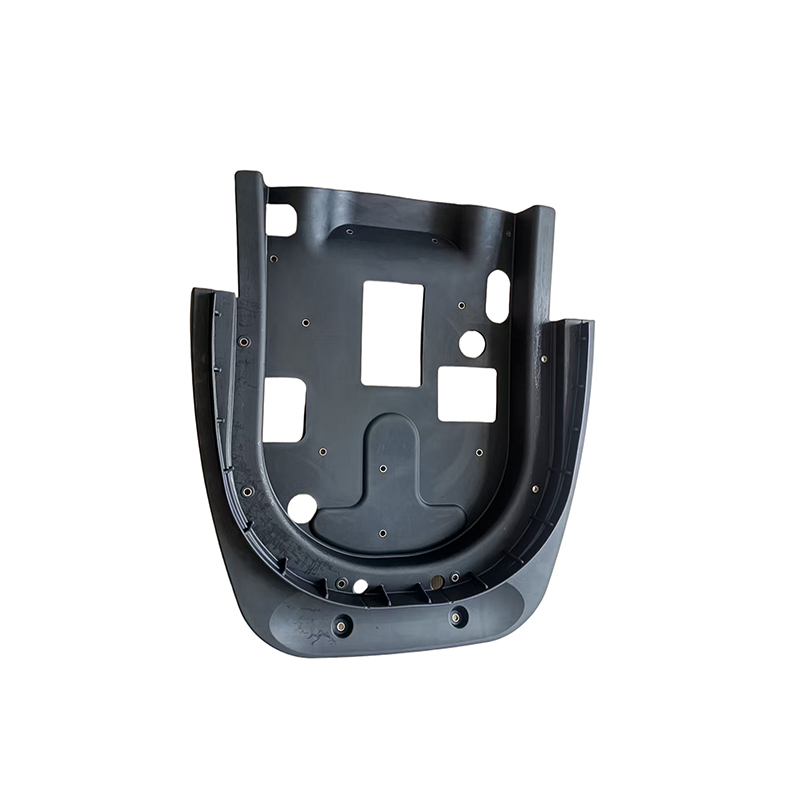
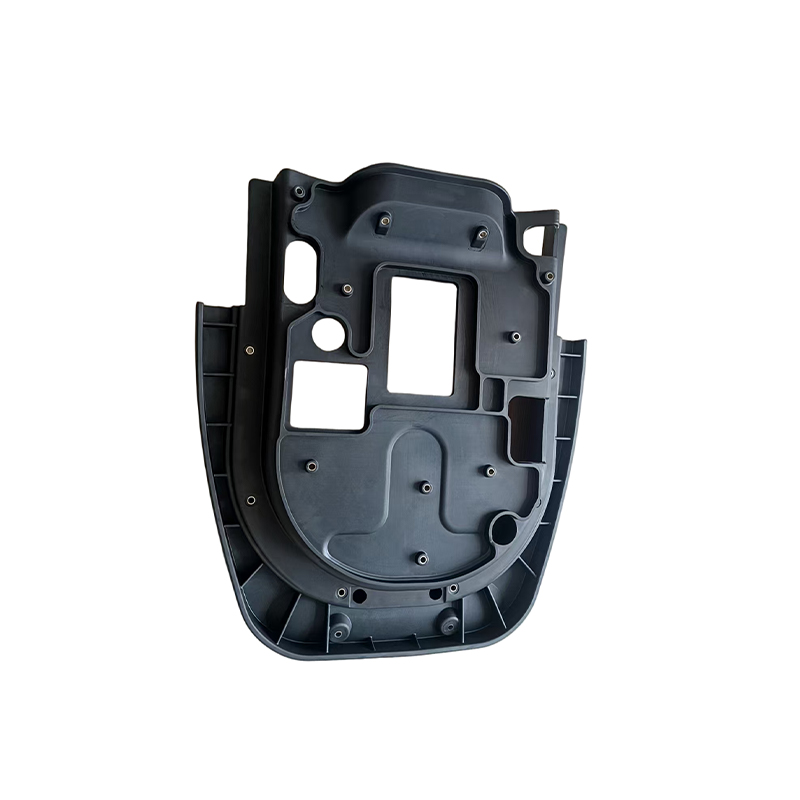
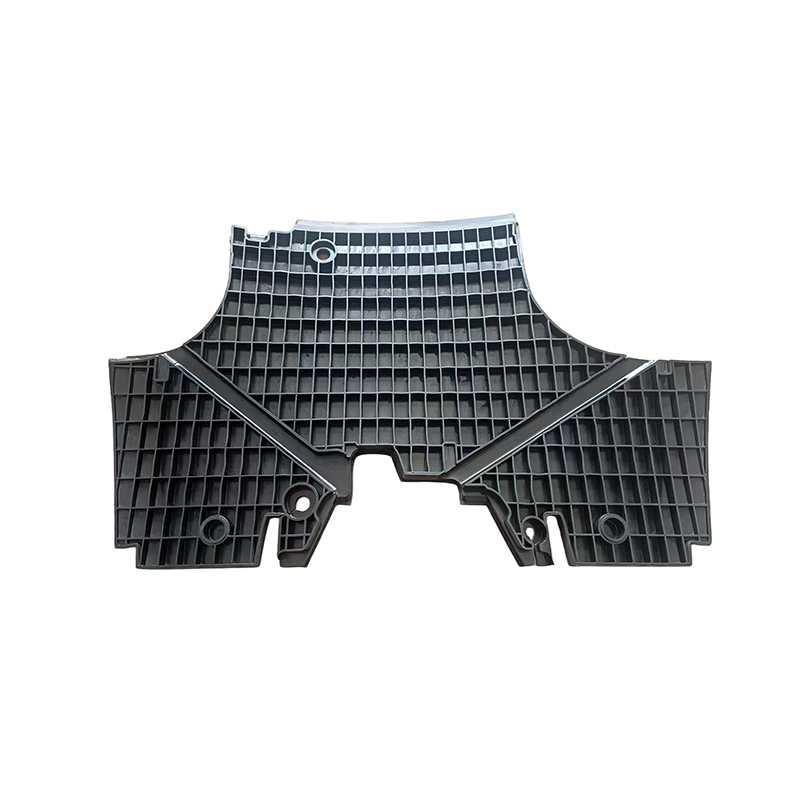
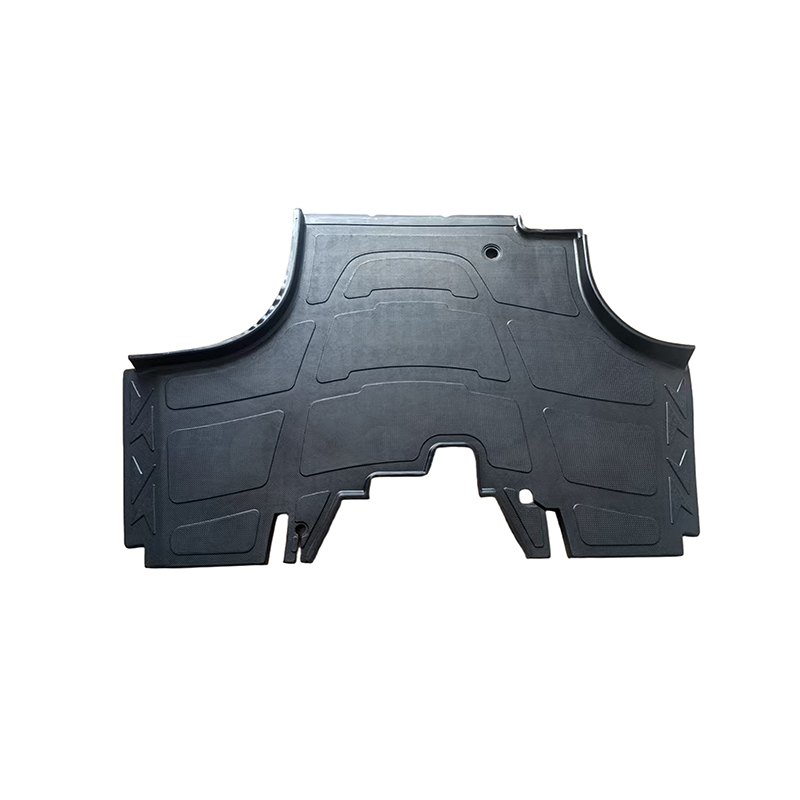
Mats for construction equipment
Rubber mats and pedal pads are functional components of the tractor cab and
agricultural machine, which provide the operator with grip on the controls, reduce the vibration load on the feet and knees, and also protect the metal surfaces of the floor and pedals from wear and slipping.
Description
marker
Purpose and scope
Rubber mats and pedal pads are functional components of the tractor cab and
agricultural machine, which provide the operator with grip on the controls, reduce the vibration load on the feet and knees, and also protect the metal surfaces of the floor and pedals from wear and slipping.
These products are used in harsh conditions: contact with dirt, water, oils and fuel, significant mechanical loads when pressing the pedals, exposure to ultraviolet radiation during prolonged work outdoors. Therefore, the choice of material and design of the pads directly affects both the safety of the operator and the service life of the products themselves.
Typical applications: tractors and self-propelled chassis, grain and forage harvesters, municipal and road construction equipment, other mobile agricultural machines.
Specifications and materials
The choice of material is determined by the operating conditions and the requirements of the OEM or end customer:
NR (natural rubber) - good elasticity and resistance to impact loads, suitable for moderate temperatures and loads.
NBR (nitrile rubber) - increased resistance to petroleum products (oils, fuel, hydraulic fluid); used in cabin areas in contact with technical fluids.
EPDM - high resistance to weathering, ozone and ultraviolet radiation; Suitable for exposed elements with prolonged exposure to weather conditions.
SBR / neoprene is a practical alternative for standard operating conditions where cost-effectiveness is required.
Polyurethane (PU) - significantly higher wear resistance compared to traditional rubber compounds; used under high mechanical loads.
Hardness (Shore A), surface texture (smooth, corrugated, embossed), product thickness and the presence of mounting elements - all these parameters are coordinated when developing for a specific product.
Production according to drawing and sample
Qingdao Jianqing Rubber Products Co., Ltd. has been producing rubber products since 1995. The main production process is compression molding and vulcanization. The company has its own fleet of hydraulic presses and a mixing section for the preparation of rubber mixtures.
The following development options are available to OEM buyers and spare parts distributors:
According to the drawing: the customer provides a technical drawing indicating dimensions, mounting points, required characteristics; The company makes a mold and approves the sample.
Based on a sample: if you have a physical sample or a worn part, it is possible to develop for this sample.
All products are manufactured exclusively according to the requirements of a specific customer. There are no standard part numbers for any brand or model of equipment. Molds developed from past projects with specific customers are the property of those customers and cannot be used to fulfill orders from third parties.
Quality control during production includes checking geometric dimensions, material hardness, surface quality and compliance with the sample agreed with the customer.
Value for the buyer
Qingdao Jianqing Rubber Products Co., Ltd. supplies rubber components to agricultural machinery manufacturers, including LS Tractor, Hitachi and John Deere. This is a long-term manufacturing relationship based on the manufacture of products strictly according to the company drawings and specifications of each customer. Molds created as part of these projects belong to the respective customers and may not be offered to third parties.
For new customers, this experience is a confirmation of the enterprise's production capabilities - the ability to maintain the dimensional accuracy and material stability required by leading equipment manufacturers.
For distributors working with multiple brands, the ability to place an order for multiple SKUs from one supplier simplifies incoming control and logistics.
Ordering and specification clarification
To request a quote, please provide:
Technical drawing or product sample
Required material (or description of operating conditions for material selection)
Required batch size
A sample of the product is agreed upon before the start of mass production.
contact us
Related Popular Products
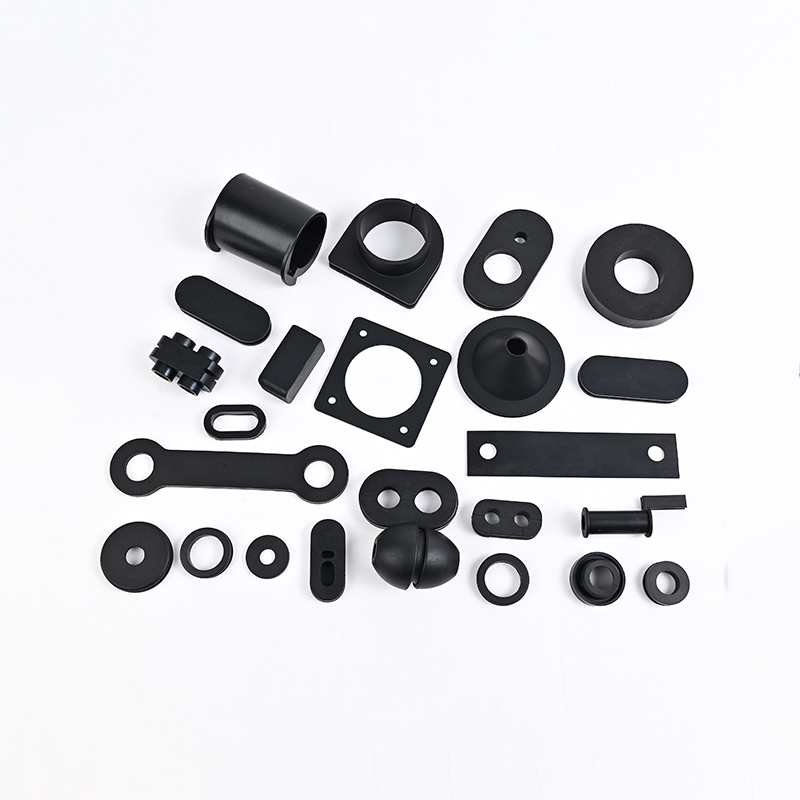
Rubber grommets/cable sealing grommets
Rubber grommets are a resilient ring installed in a mounting hole in a metal panel, bulkhead, or enclosure to allow cables, tubing, or wiring harnesses to pass through.
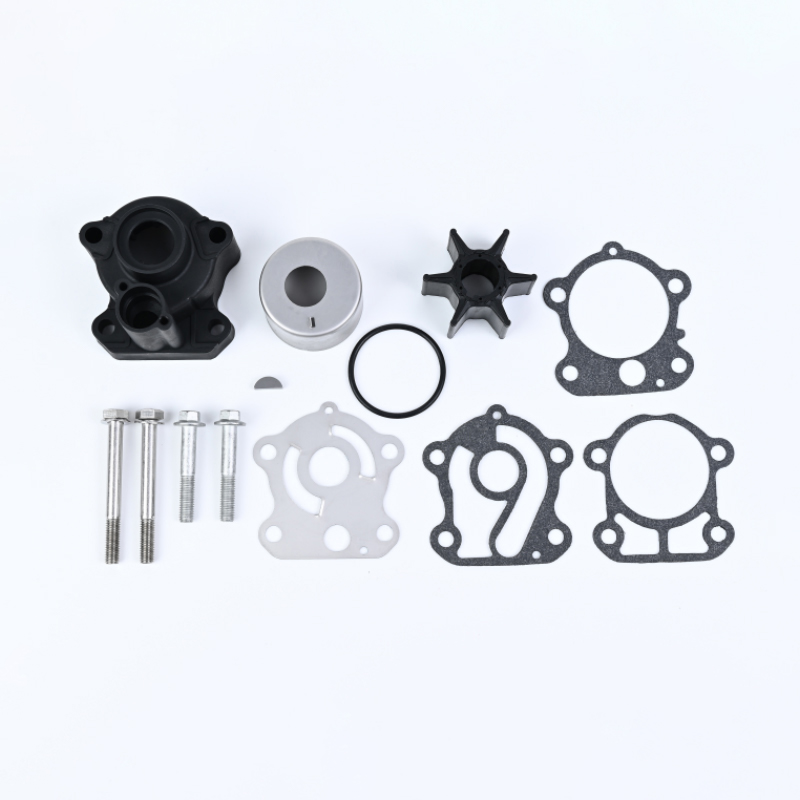
Water pump repair kits
The outboard motor's cooling system operates as an open water loop: the pump draws seawater from outside the boat's hull, pumps it through the engine, and discharges it through the exhaust.
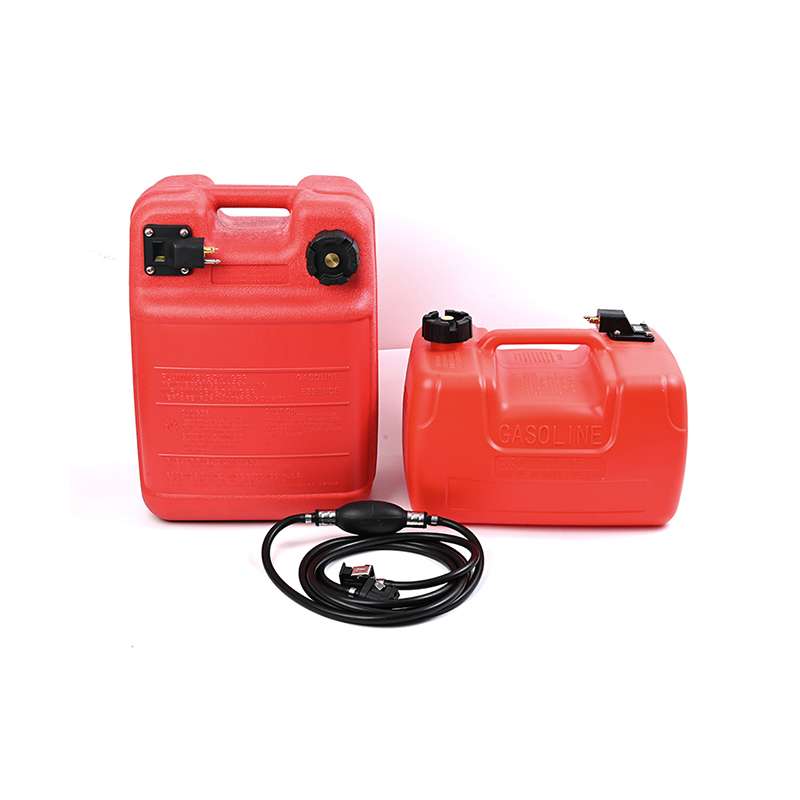
Fuel tanks and fuel level sensors
Outboard motors with an external portable fuel tank use a self-contained fuel supply system: a tank with a built-in fuel level indicator, a manual pump, a fuel hose and quick connectors. All components must work together, and each is a serviceable part subject to wear and replacement.
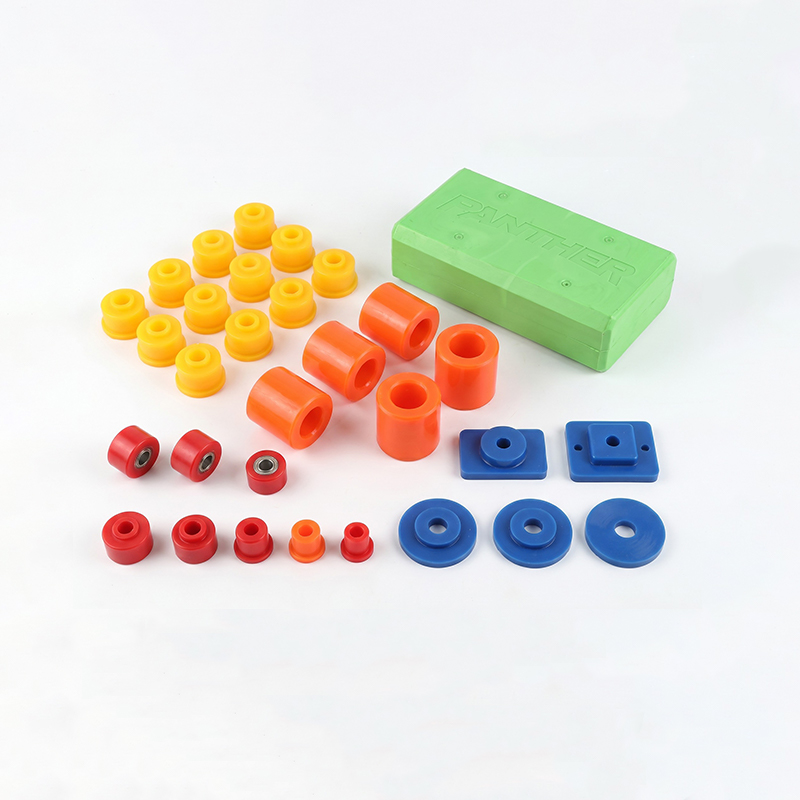
Polyurethane parts (PU)
Standard rubber compounds provide most sealing, damping and vibration isolation requirements. However, with intense abrasive wear - on sliding surfaces, scrapers, guides, rollers - the rubber wears out quickly.
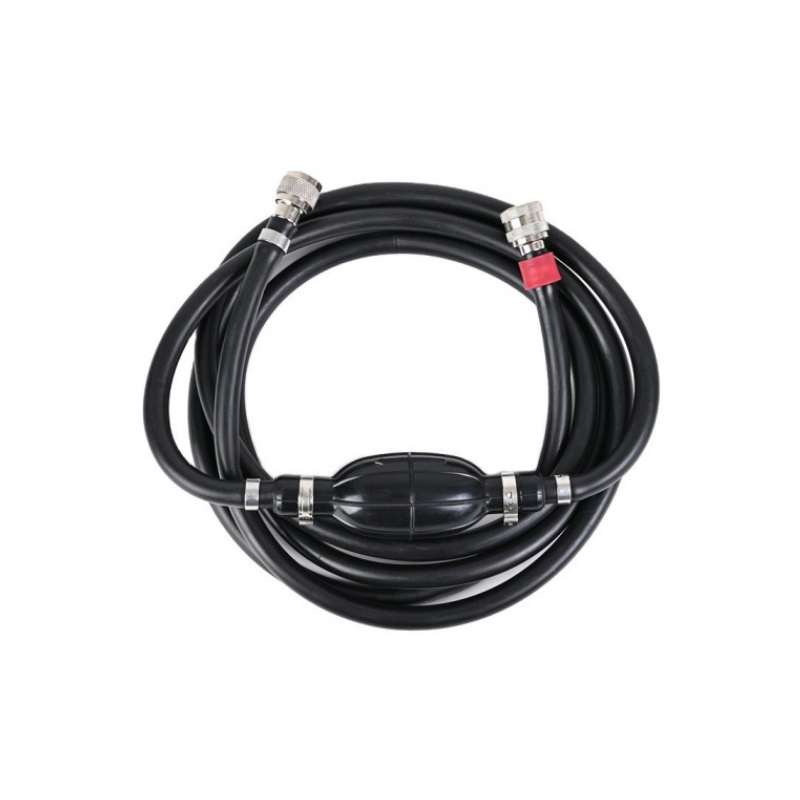
Fuel Lines and Hose Kits
The fuel hose is the critical link between your portable fuel tank and your outboard engine. Over time, rubber compounds lose flexibility, reinforcing braids are destroyed, and microcracks appear in the connector landing areas. A kinked hose, discoloration of rubber, or smell of fuel in the boat are reliable signs that replacement is needed.
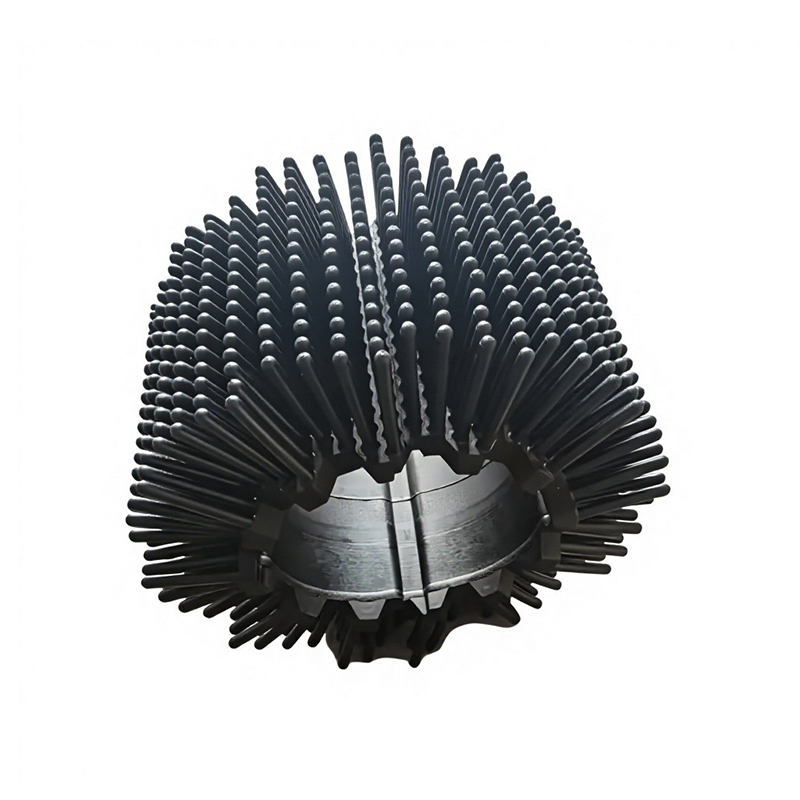
Rubber brush roller
JQ Rubber manufactures rubber bristle discs that form the working cleaning element of the conveyor belt brush shaft. Each disc is a one-piece compression molded rubber component with a central hole and a dense array of radially projecting rubber fingers. The customer assembles several discs on a shaft, forming a complete cleaning shaft of the required working width.
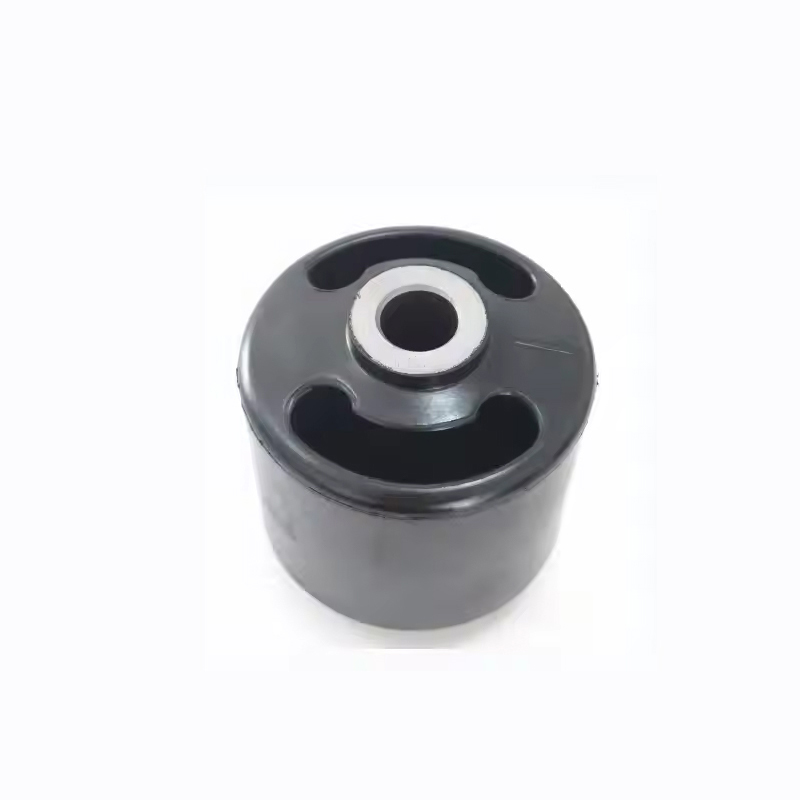
Rubber bushings
A rubber bushing in a suspension or shock absorber provides a resilient connection between metal components. Its main functions are vibration absorption, noise reduction (preventing the transmission of road and transmission noise to the car body) and compensation of angular and linear movements during suspension travel.
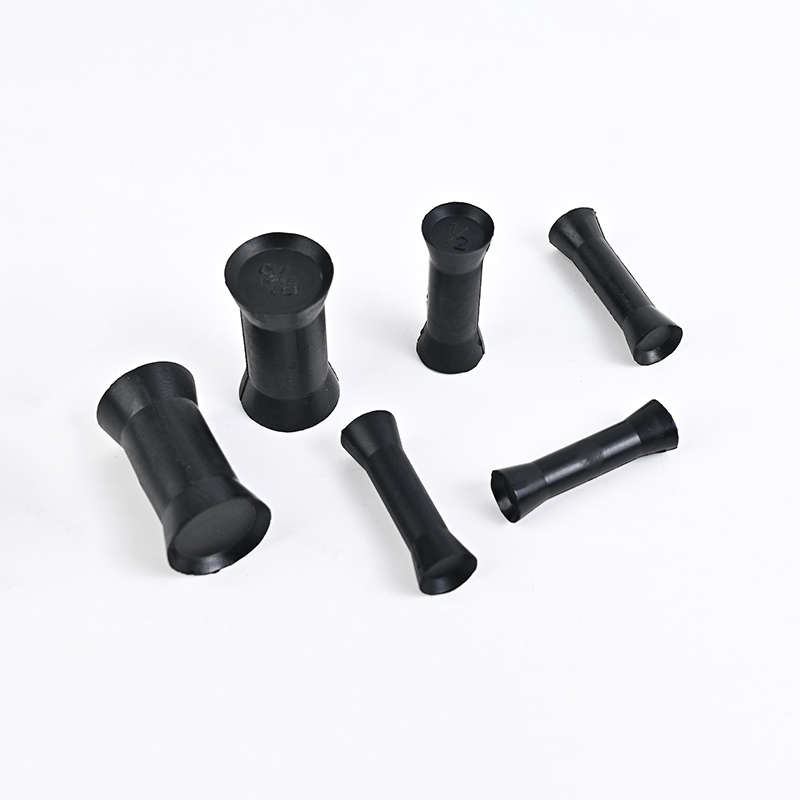
Rubber plug
Rubber sealing components prevent fluids, gases and contaminants from passing through connections, gaps and passages. They are used in industrial equipment, hydraulic systems, engines, piping, housings and automotive assemblies wherever a sealed connection is required.
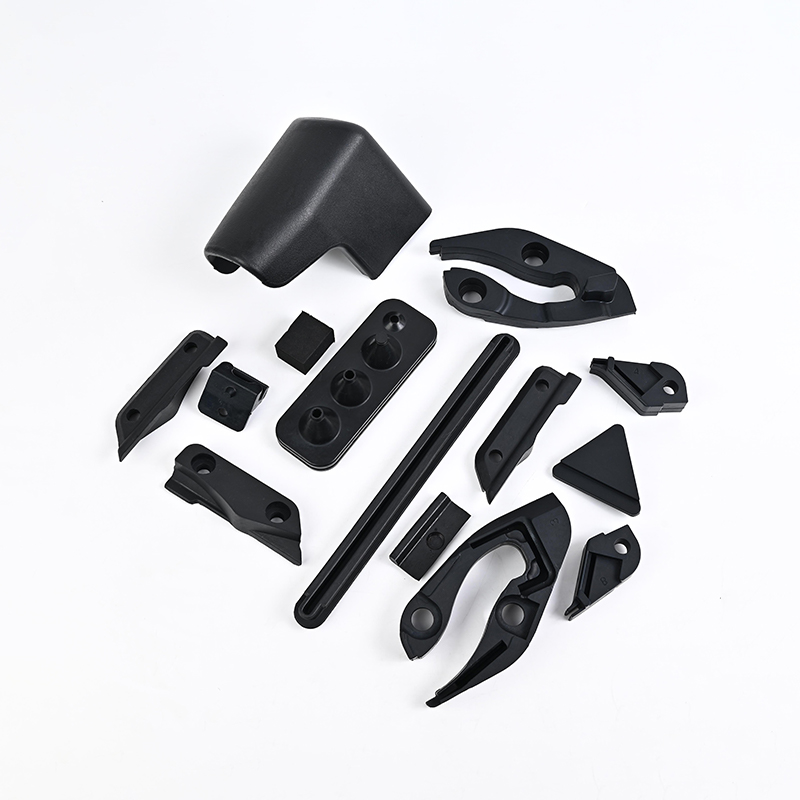
Accessories for agricultural machinery
JQ Rubber manufactures a wide range of custom molded rubber parts for agricultural equipment, including tractors, combine harvesters and other farm equipment.
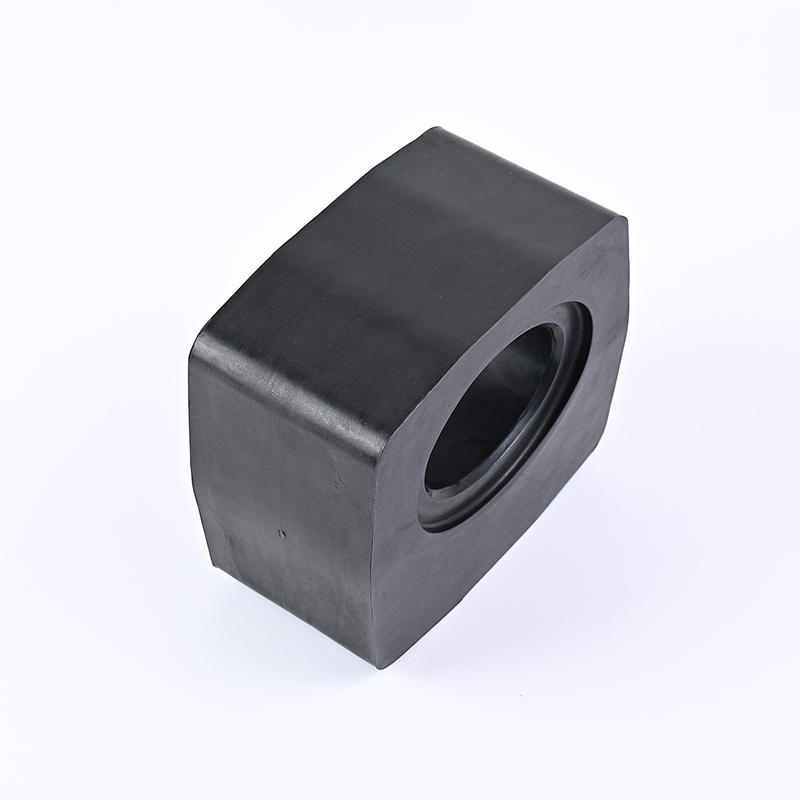
Counterweights for forklifts
JQ Rubber manufactures solid rubber counterbalance blocks for forklift counterbalance systems. The blocks are compression molded from a high-density rubber compound and have one or more pre-molded bolt holes for direct bolting to the counterweight frame.
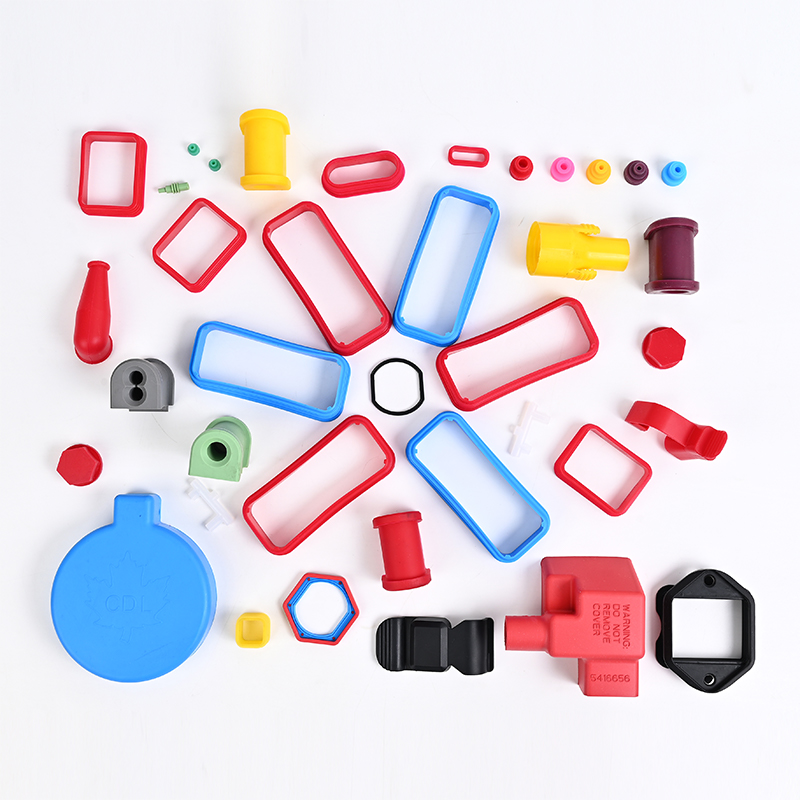
Silicone cable assemblies
JQ Rubber manufactures a wide range of custom silicone sealing components for automotive wiring harnesses and electrical connector systems.
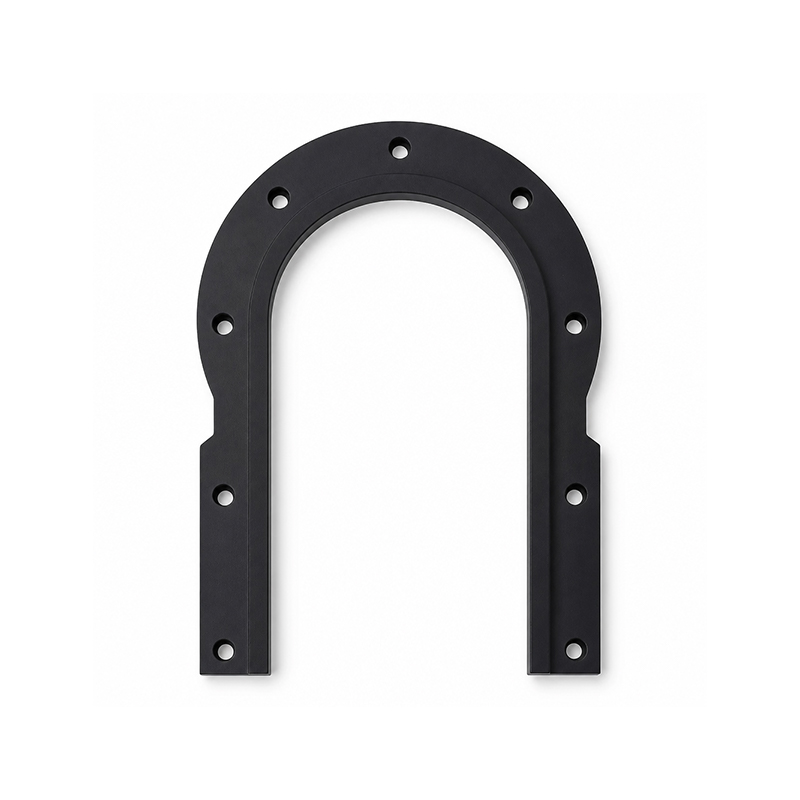
Custom U-Shape Seat Seal
Industrial U-seat seals for bi-directional gate valves. Available in NBR, EPDM and FKM with vulcanized steel core. Manufactured by Jianqing Rubber Products for mining, wastewater and slurry applications.
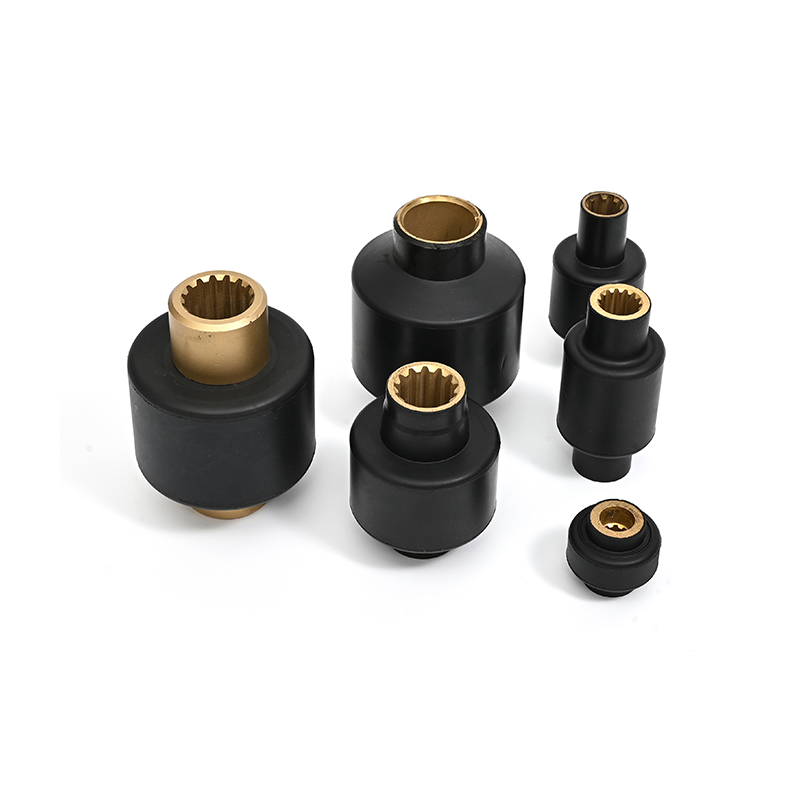
Propeller bushings
Propeller bushing (hub bushing) is a rubber element located between the propeller hub and the output end of the motor drive shaft.
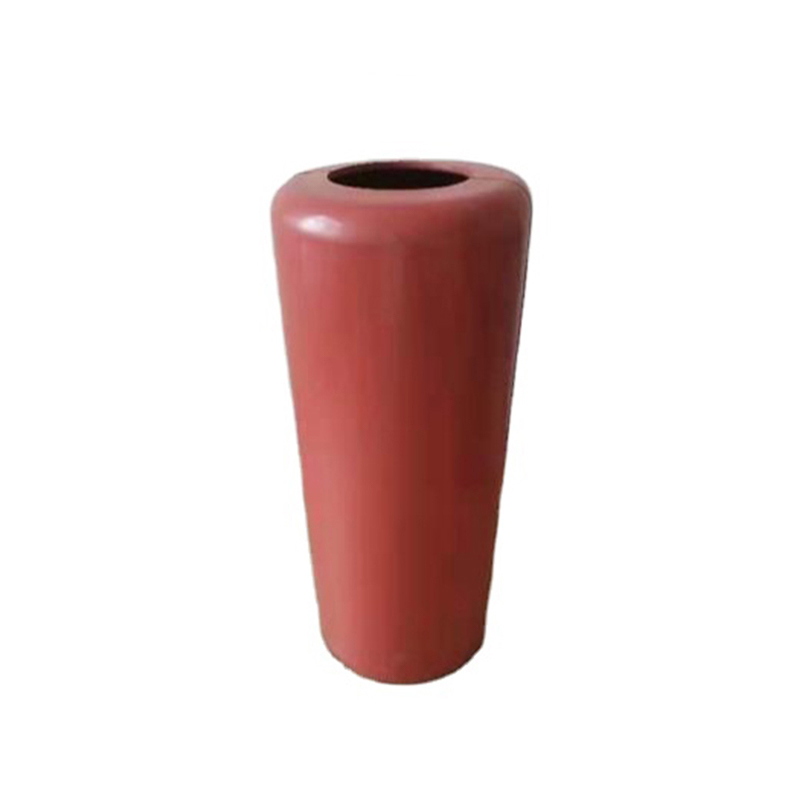
Rubber cylinders and membranes
Rubber cylinders and membranes are sealed or open-ended flexible rubber elements that change volume or transmit force under the influence of liquid or gas pressure.
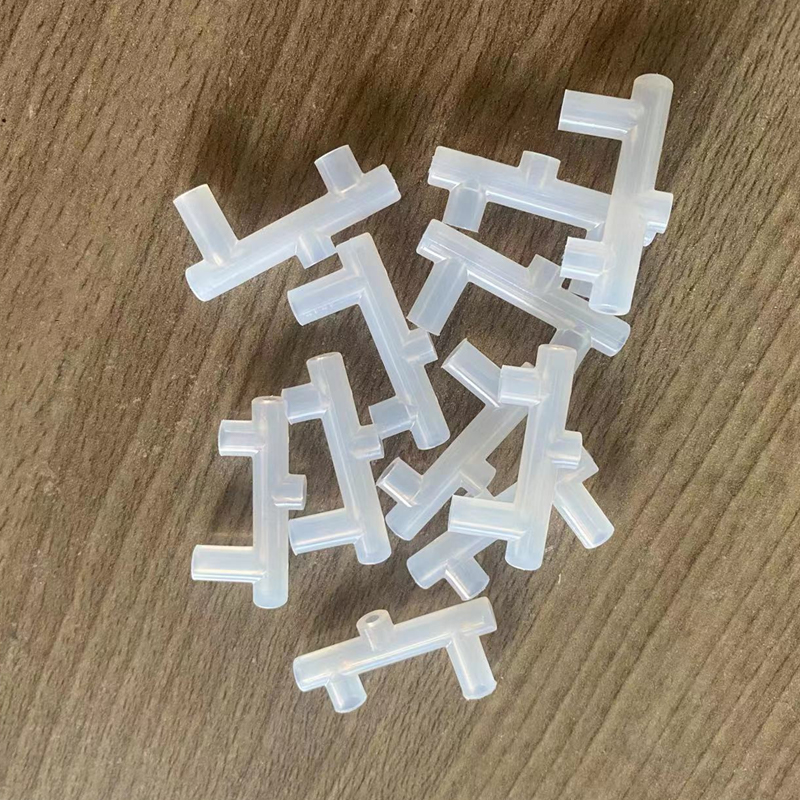
Four Way Pipe / Silicone Parts for Medical Products
JQ Rubber manufactures custom silicone T-connectors and multi-port tube fittings using compression molding or injection molding. Parts shown are small T-fittings made of translucent food grade silicone; Each fitting connects one inlet to two outlets, separating the flow of liquid or gas.
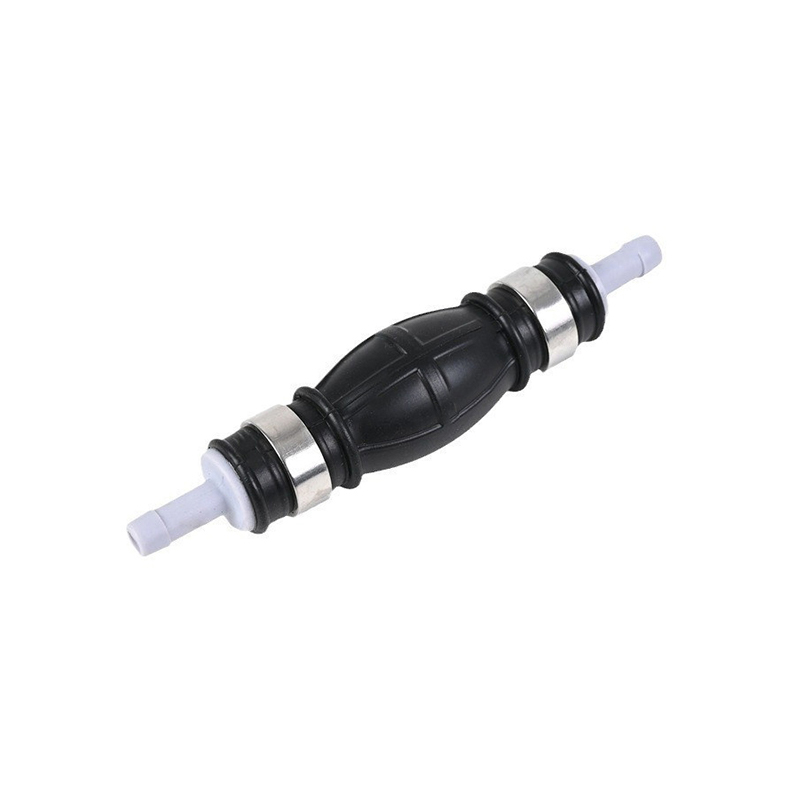
Manual fuel pumps
Manual Primer Bulb - A squeezable fuel resistant rubber bulb with two built-in one-way check valves used to manually prime the fuel line before starting the outboard motor.