

-


-


-
-


-
-


-


whatsapp

-
WeChat

-
Telegram

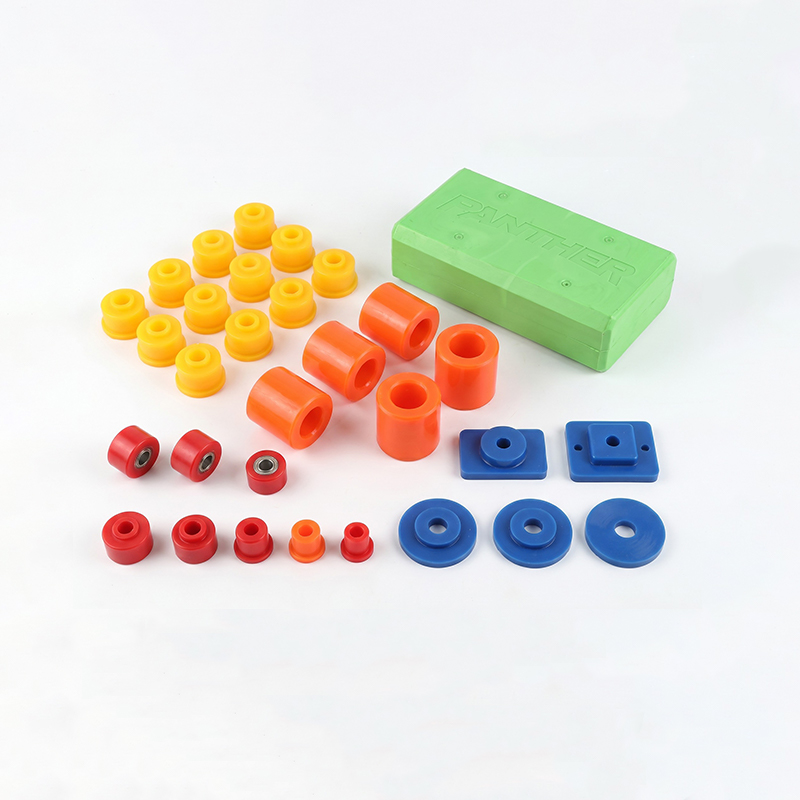
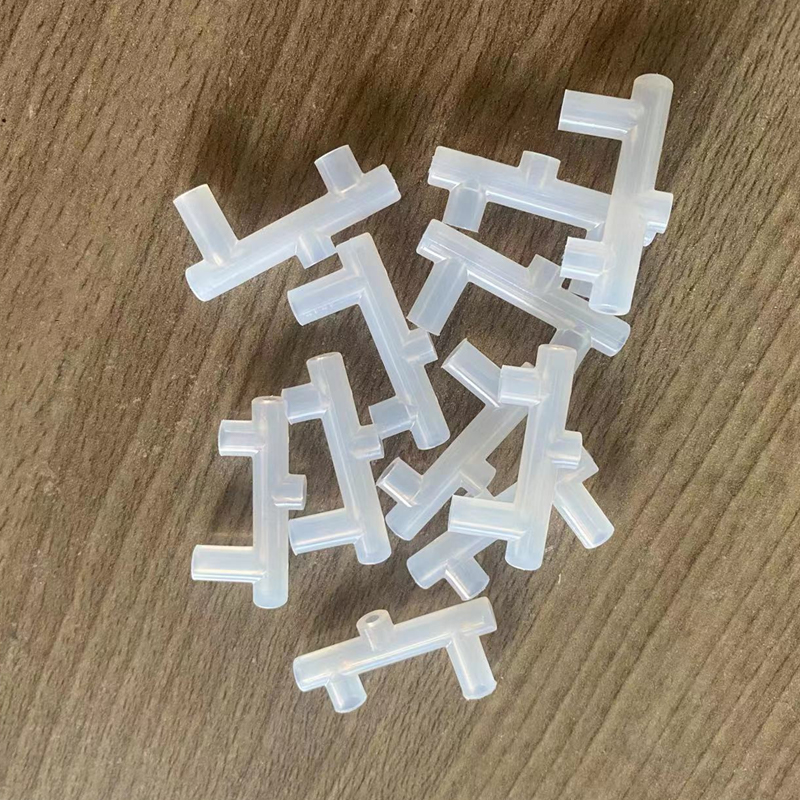
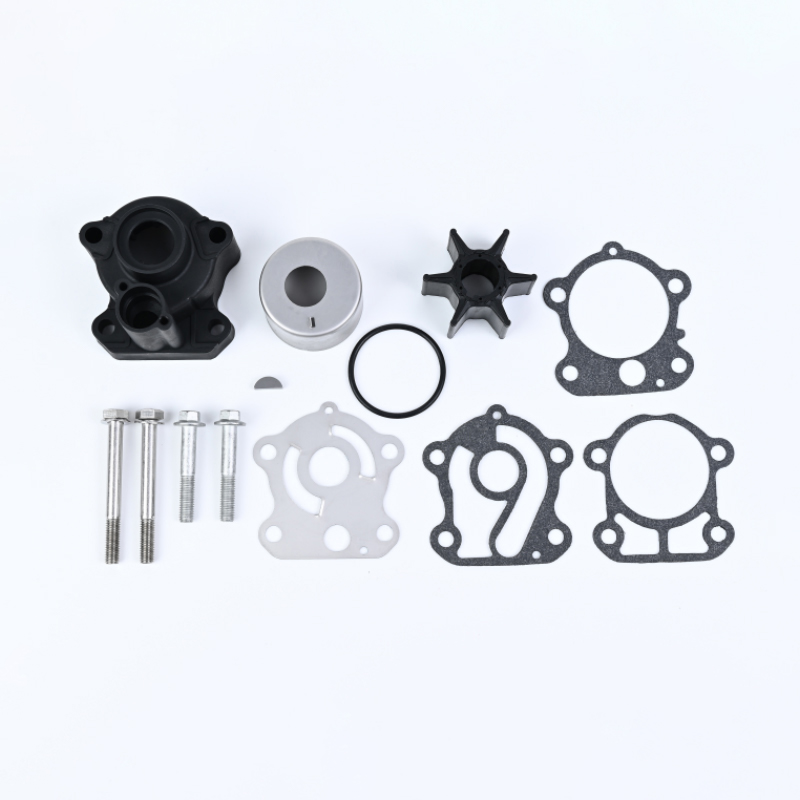
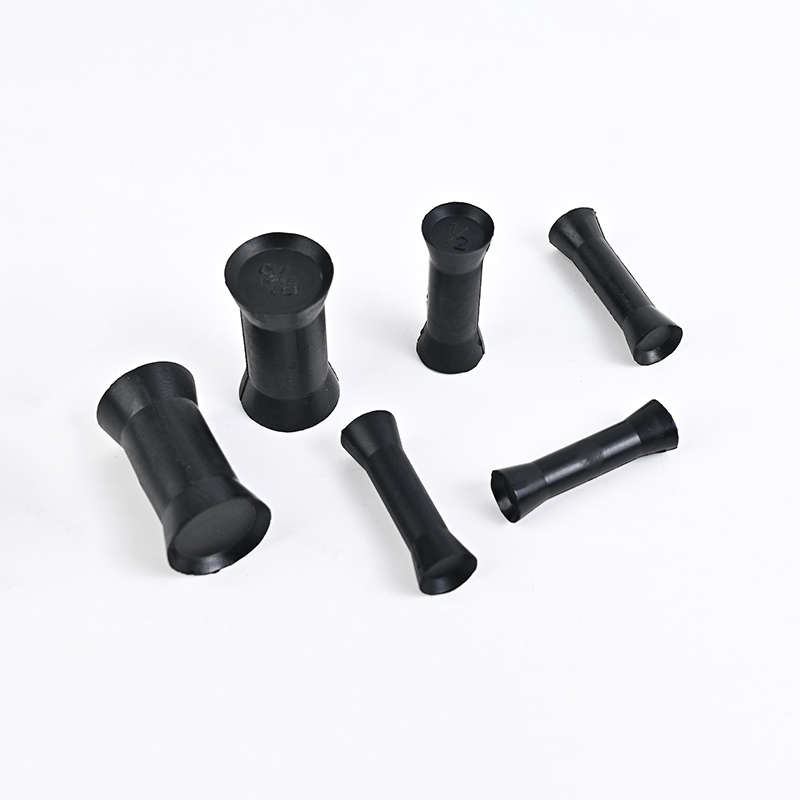
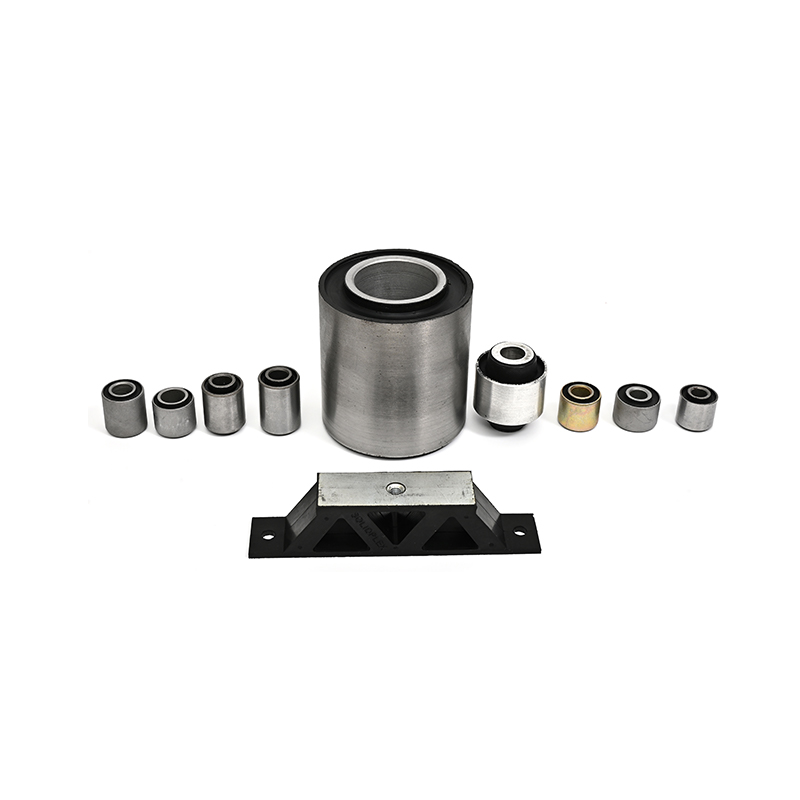
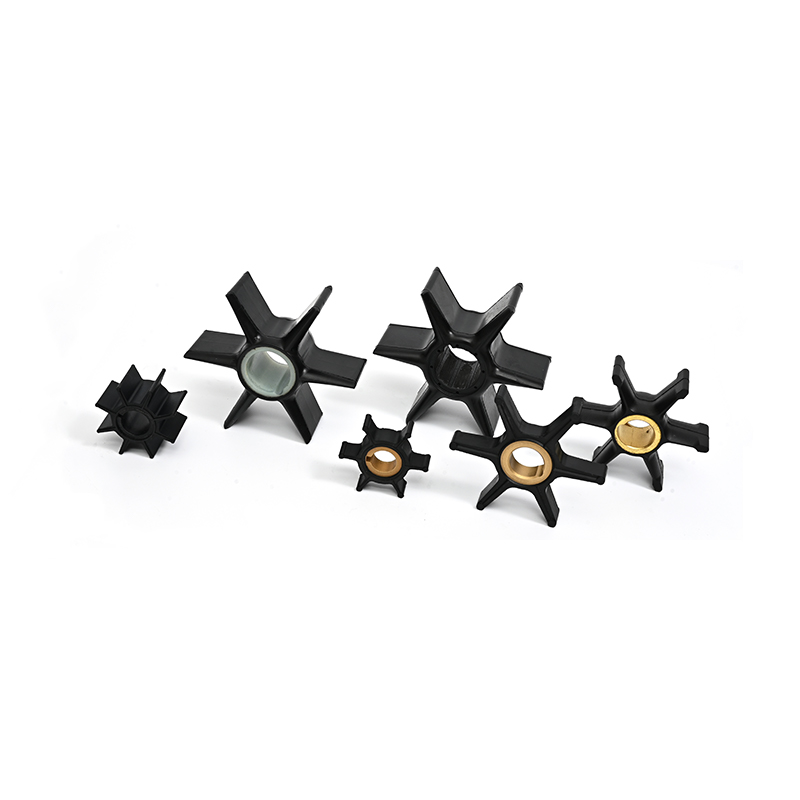
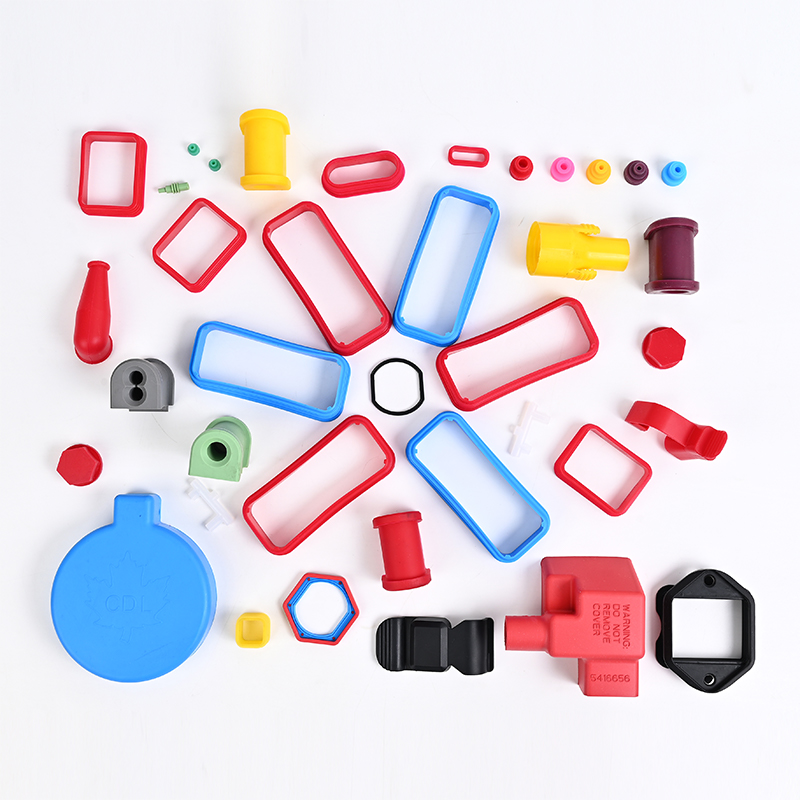
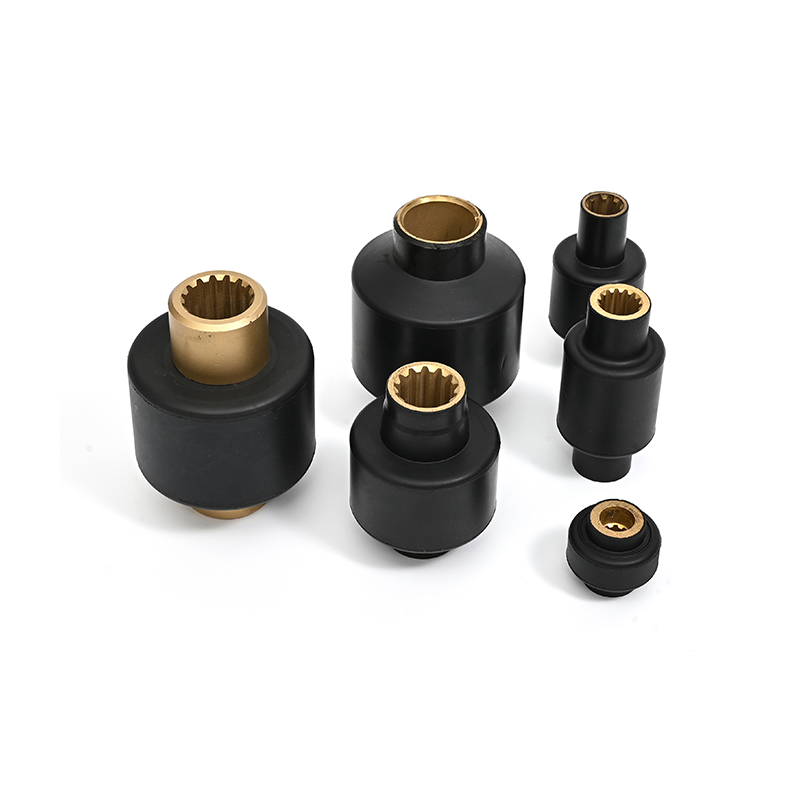
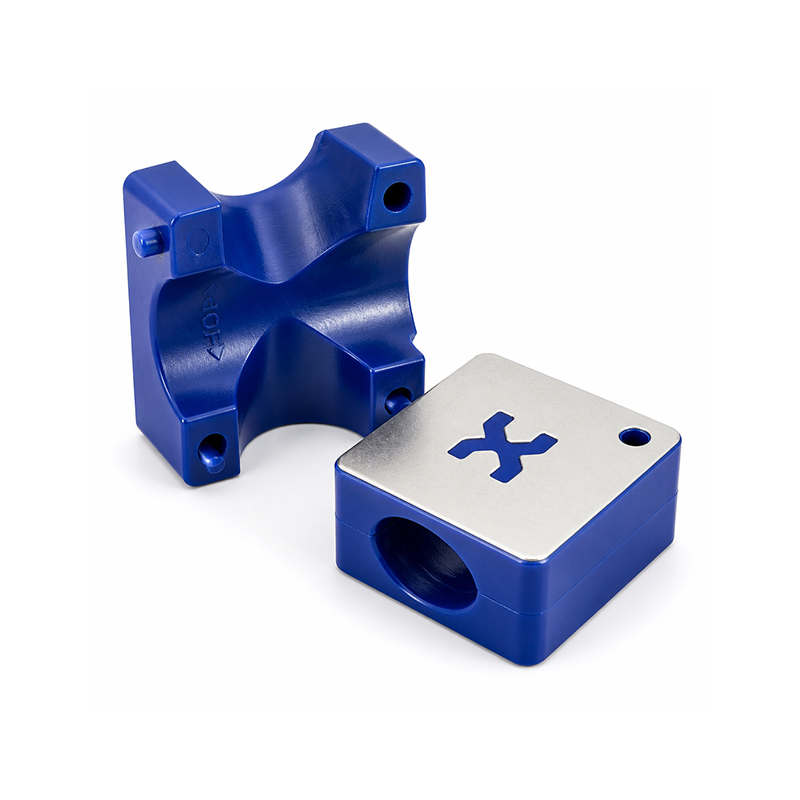
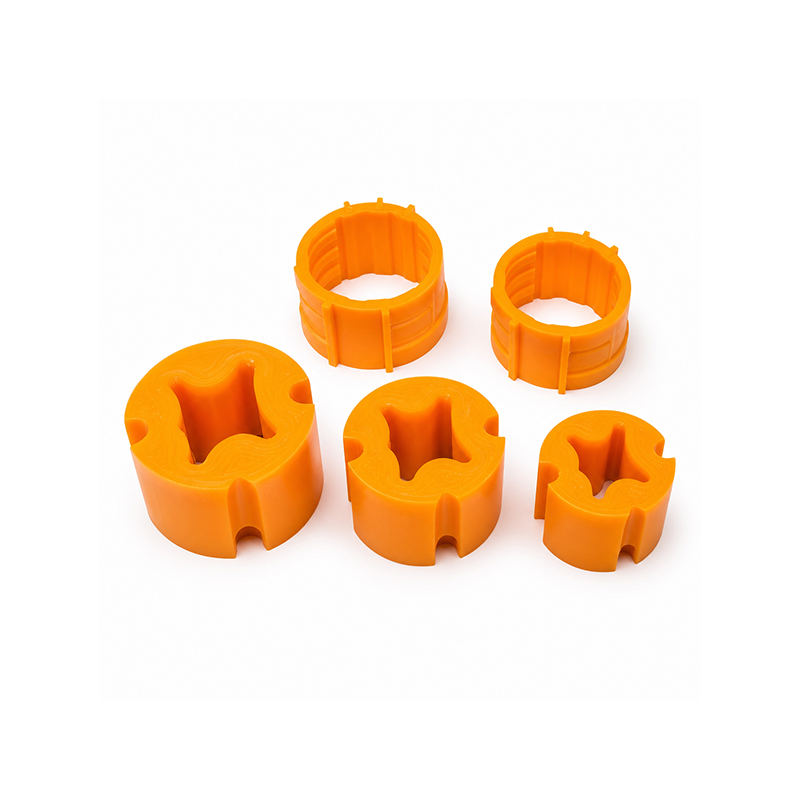
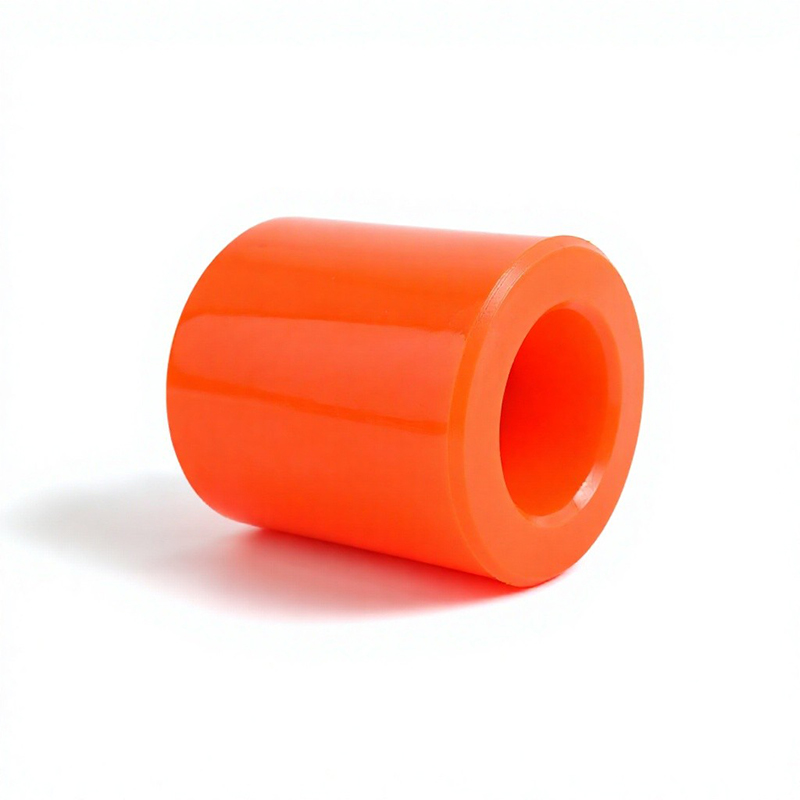
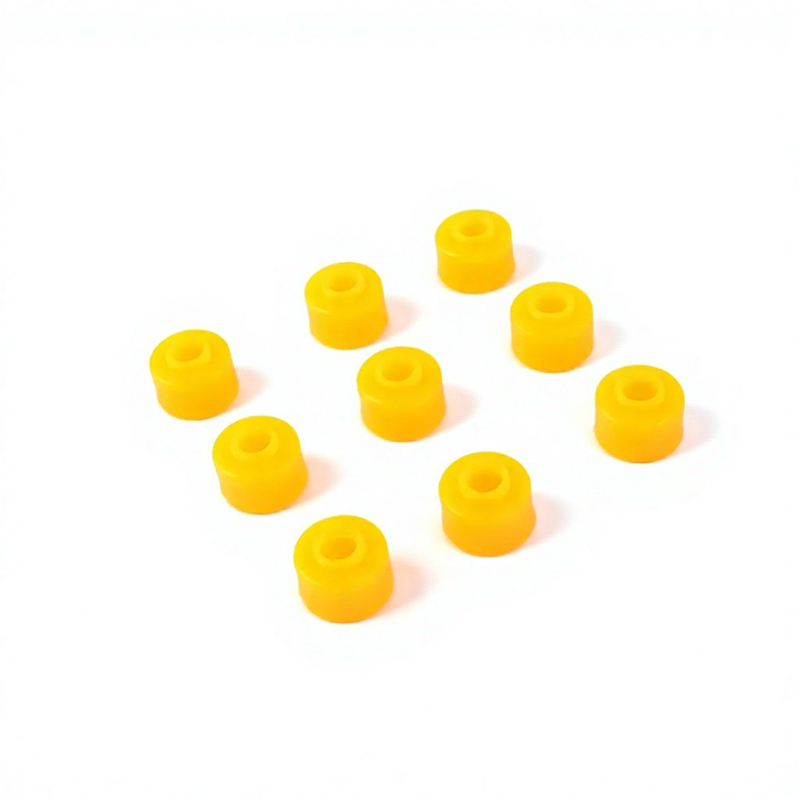
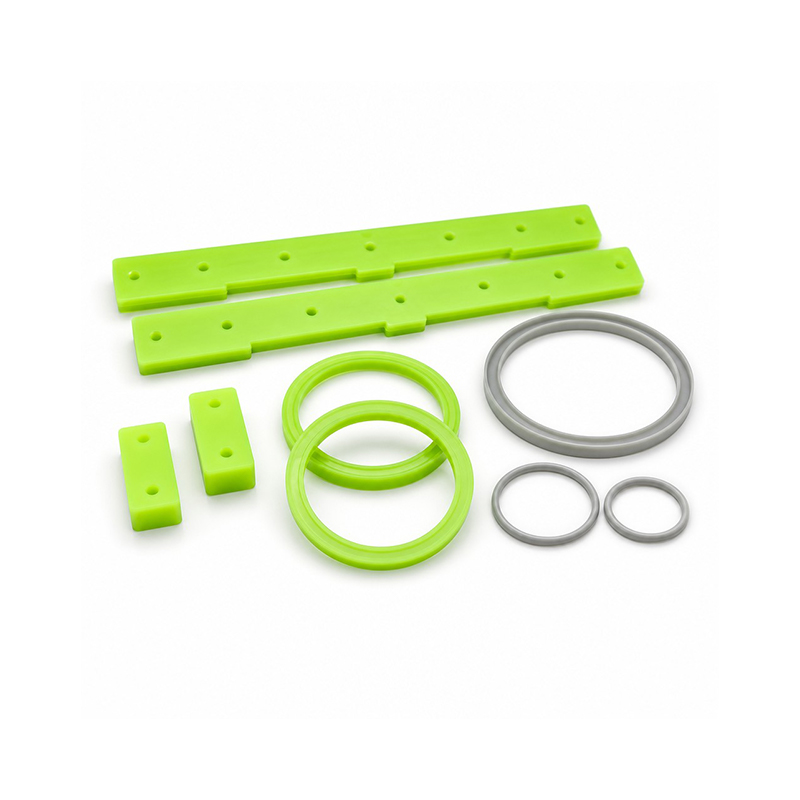
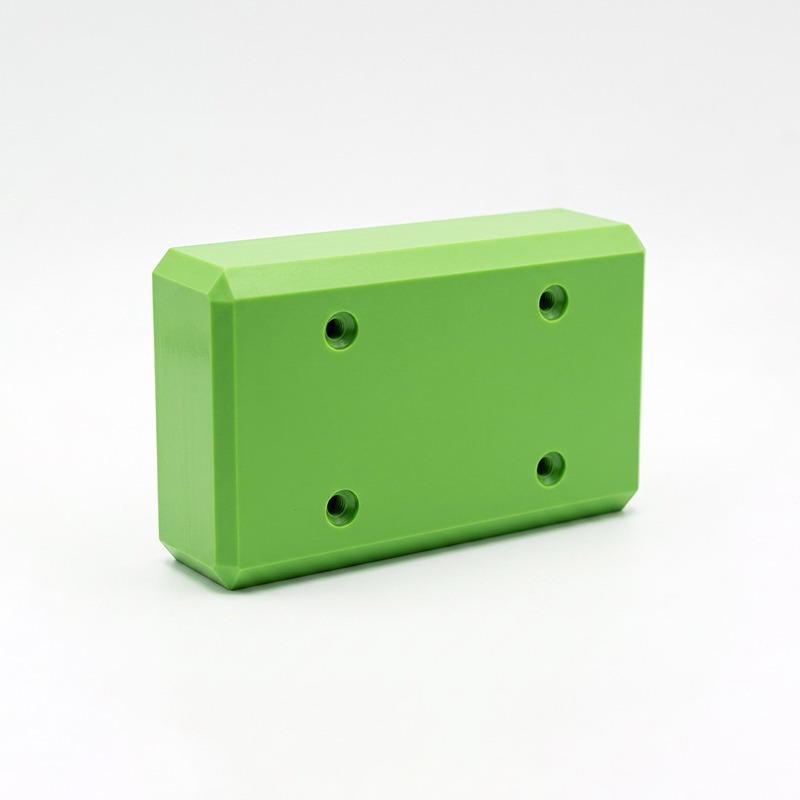
Polyurethane parts (PU)
Standard rubber compounds provide most sealing, damping and vibration isolation requirements. However, with intense abrasive wear - on sliding surfaces, scrapers, guides, rollers - the rubber wears out quickly.
Description
marker
When to choose polyurethane
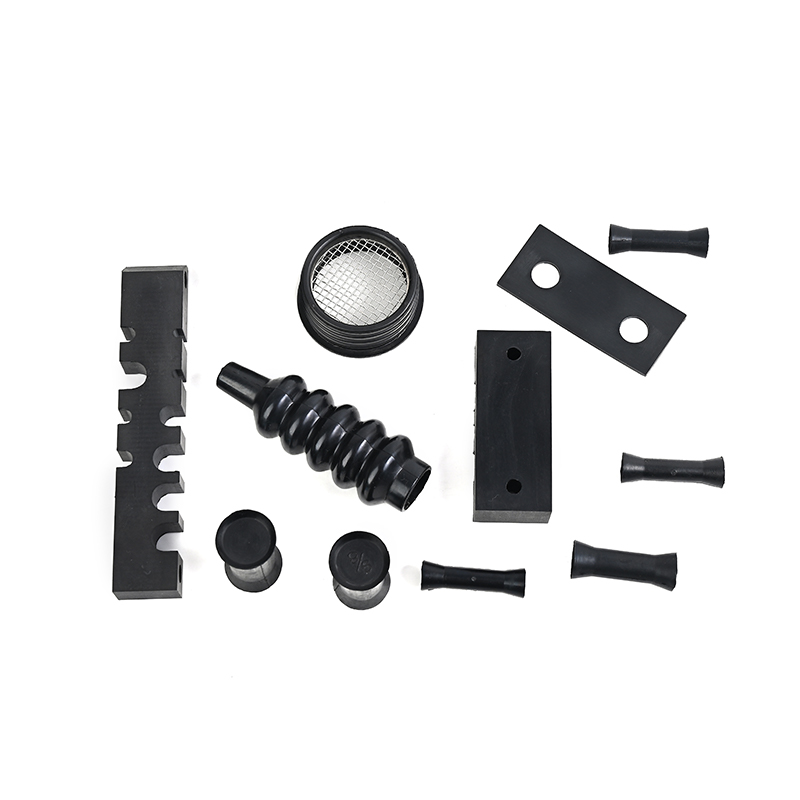
Standard rubber compounds provide most sealing, damping and vibration isolation requirements. However, with intense abrasive wear - on sliding surfaces, scrapers, guides, rollers - the rubber wears out quickly. Under these conditions, polyurethane demonstrates a significantly longer service life: its abrasion resistance significantly exceeds that of standard rubber compounds.
Polyurethane (PU) combines properties that are difficult to achieve simultaneously in one material: high tensile strength, a wide range of hardness, chemical resistance to oils and some solvents, and resistance to cuts and impacts.
Applications
- Wear-resistant bushings and scrapers - in mining, agricultural and industrial equipment
- Guide rollers and wheels - in conveyor systems and loading and unloading equipment
- Shock-absorbing cushions - in shock-loaded areas that require a combination of rigidity and energy absorption
- Parts of food and pharmaceutical equipment - using appropriate mixtures that are safe for contact with food
- Sealing edges and scraper blades - doctor blades, shaft seals for underground vehicles
Specifications
| Parameter | Range |
| Hardness | Shore 60A – 75D (specified when ordering) |
| Material | Cast or molded polyurethane |
| Color | Can be selected according to Pantone |
| Logo | Convex or recessed on the surface of a part |
| Manufacturing | OEM/ODM, according to drawing or sample |
Hardness selection:
• Shore 60A–80A - soft seals, cushions, flexible elements
• Shore 90A–95A - moderate load guides, scrapers
• Shore 60D–75D - hard wear-resistant parts: rollers, cushions for high loads
Made to order
Polyurethane parts are well suited for OEM supply under the customer's brand: the shape, Pantone color and raised logo can be specified during development. This is true for parts sold under the brand of the final supplier or built into branded equipment.
How to submit a request
Provide:
• Technical drawing or physical sample
• Required hardness (Shore A or Shore D)
• Working medium (oil, water, abrasive contact)
• Color (Pantone code if applicable)
• Approximate order quantity
contact us
Related Popular Products
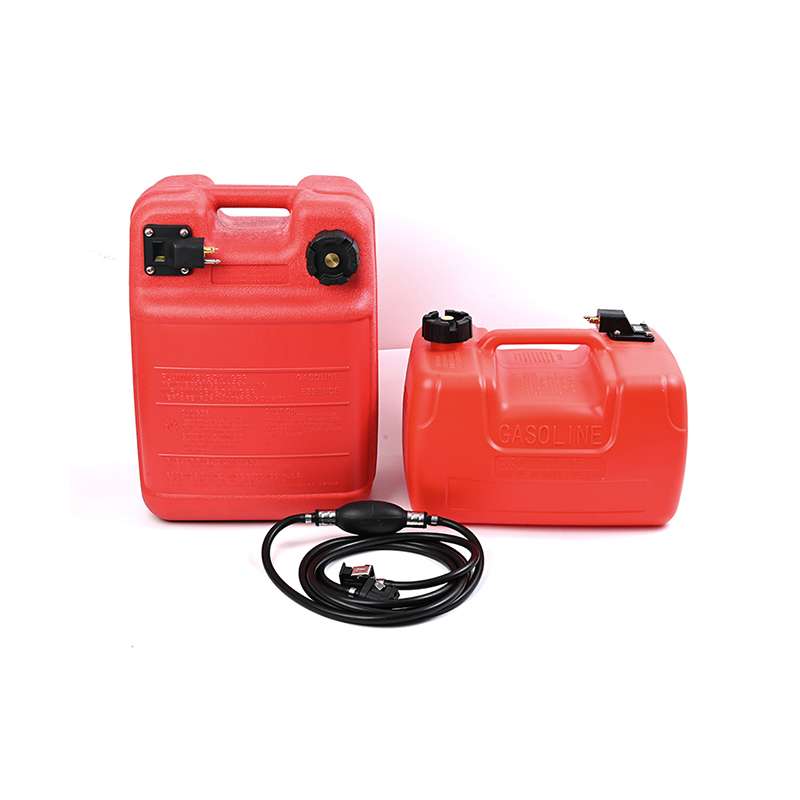
Fuel tanks and fuel level sensors
Outboard motors with an external portable fuel tank use a self-contained fuel supply system: a tank with a built-in fuel level indicator, a manual pump, a fuel hose and quick connectors. All components must work together, and each is a serviceable part subject to wear and replacement.
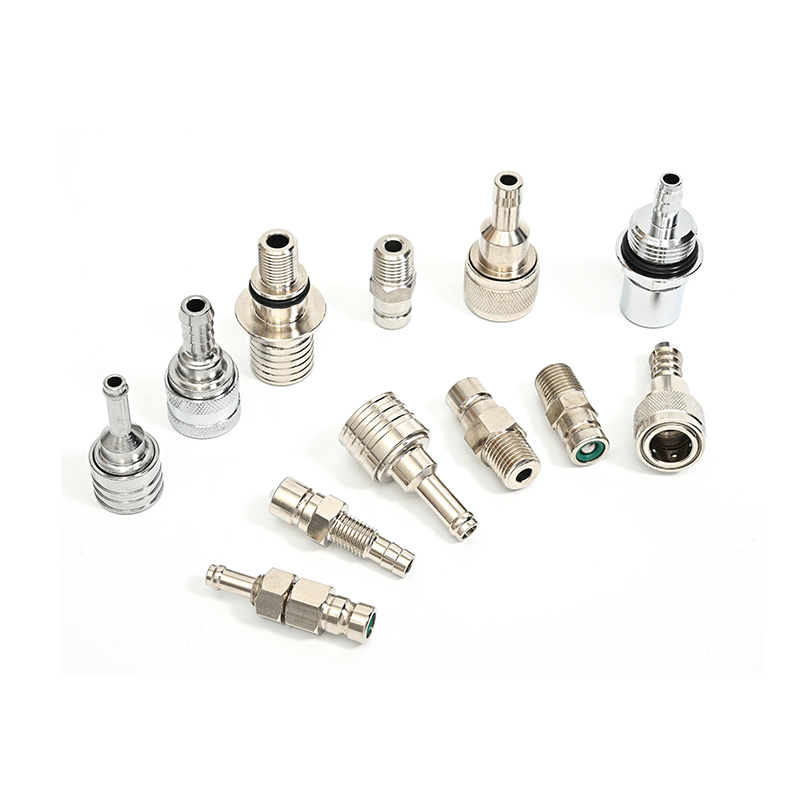
Metal fittings
The fuel connector is a quick-disconnect fitting that supplies fuel from the outboard motor's portable tank to the engine. The system consists of two parts: a tank-side connector and an engine-side connector, each available in a male or female version.
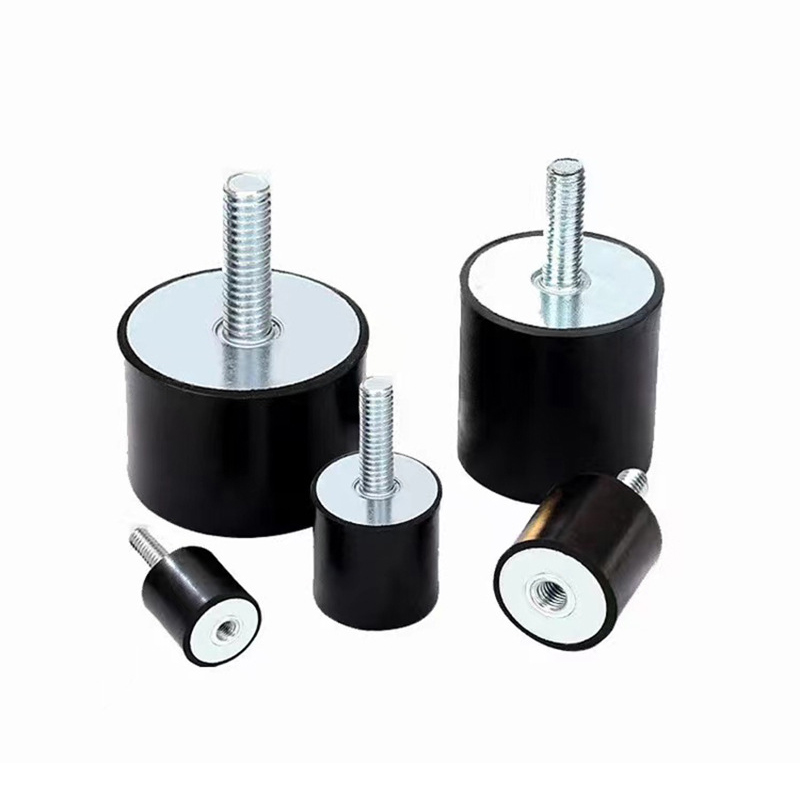
Anti-vibration dampers / Damping screws
Internal Product Code CRP-NV-001 Original English Name Anti-Vibration Dampers / Damping Screws Recommended Russian Name Anti-Vibration Shock Absorbers and Mounting Dampers
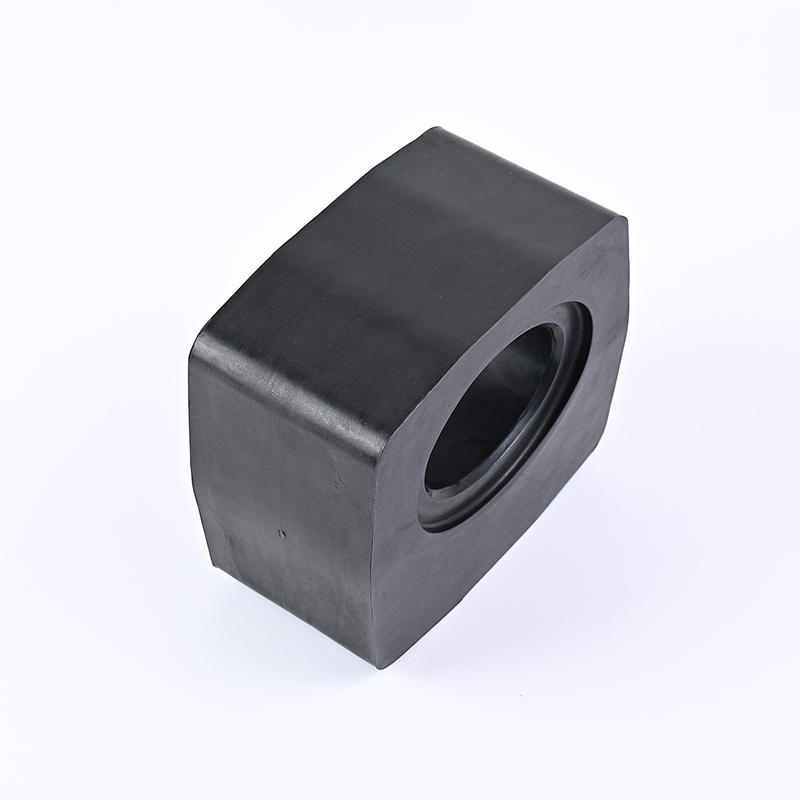
Counterweights for forklifts
JQ Rubber manufactures solid rubber counterbalance blocks for forklift counterbalance systems. The blocks are compression molded from a high-density rubber compound and have one or more pre-molded bolt holes for direct bolting to the counterweight frame.
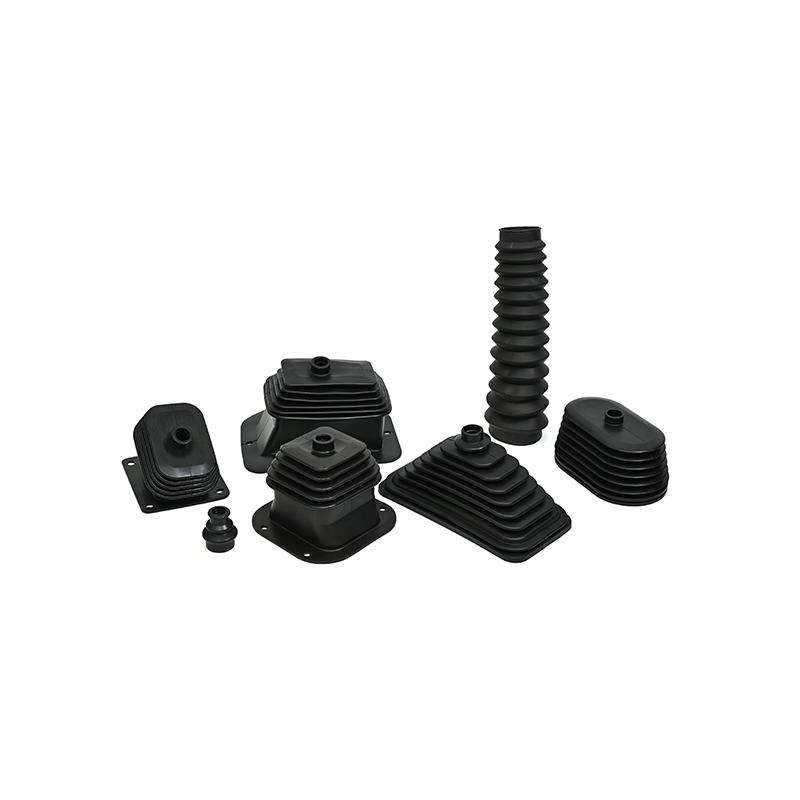
Rubber boots / telescopic boots
A rubber telescopic boot - corrugated or folded - stretches and contracts with the movement of the shaft, rod, lead screw or cylinder. It forms a continuous protective barrier between the work surface and the external environment.
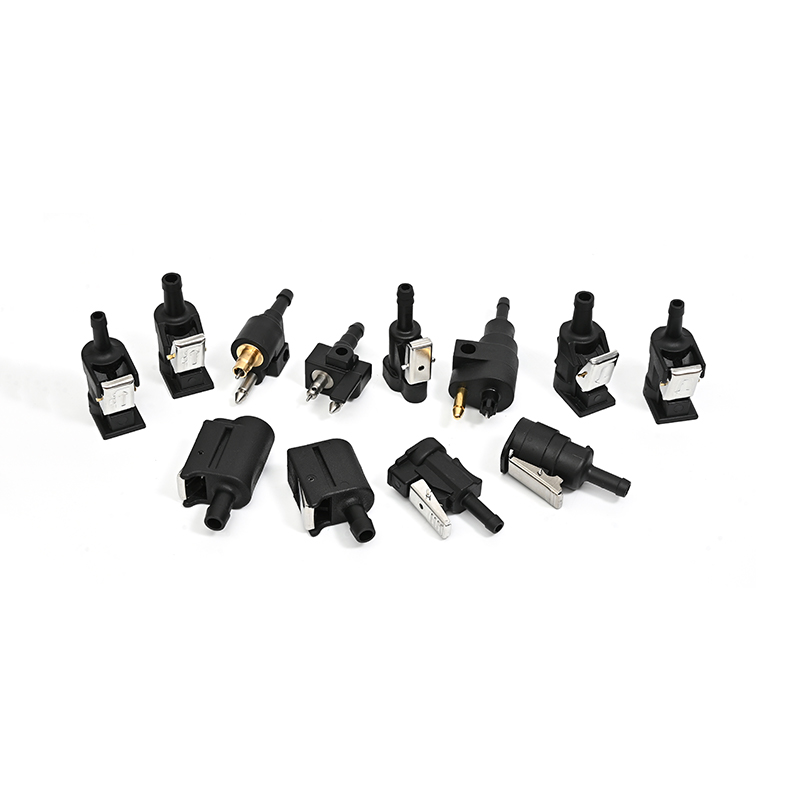
Plastic fittings
The fuel connector is a quick-disconnect fitting that supplies fuel from the outboard motor's portable tank to the engine. The system consists of two parts: a tank-side connector and an engine-side connector, each available in a male or female version.
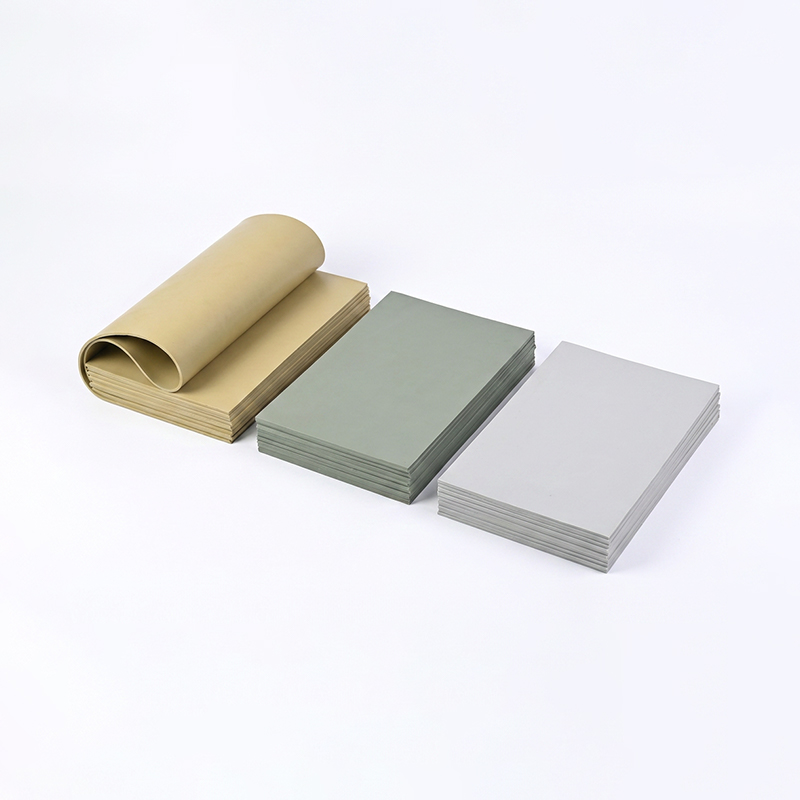
Rubber plates for laser engraving
Laser engraving rubber sheets are the main consumable material for making automatic and traditional rubber stamps using CO₂ laser engraving equipment. It is used by stamp shops, laser engraving shops, office and stationery distributors, and wholesale suppliers of materials to stamp manufacturers.
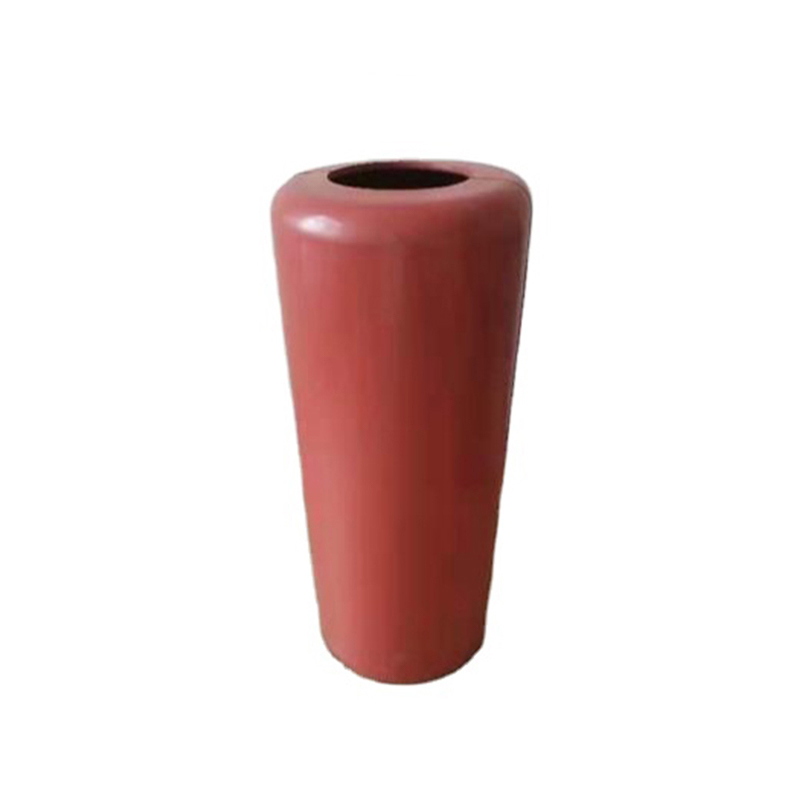
Rubber cylinders and membranes
Rubber cylinders and membranes are sealed or open-ended flexible rubber elements that change volume or transmit force under the influence of liquid or gas pressure.
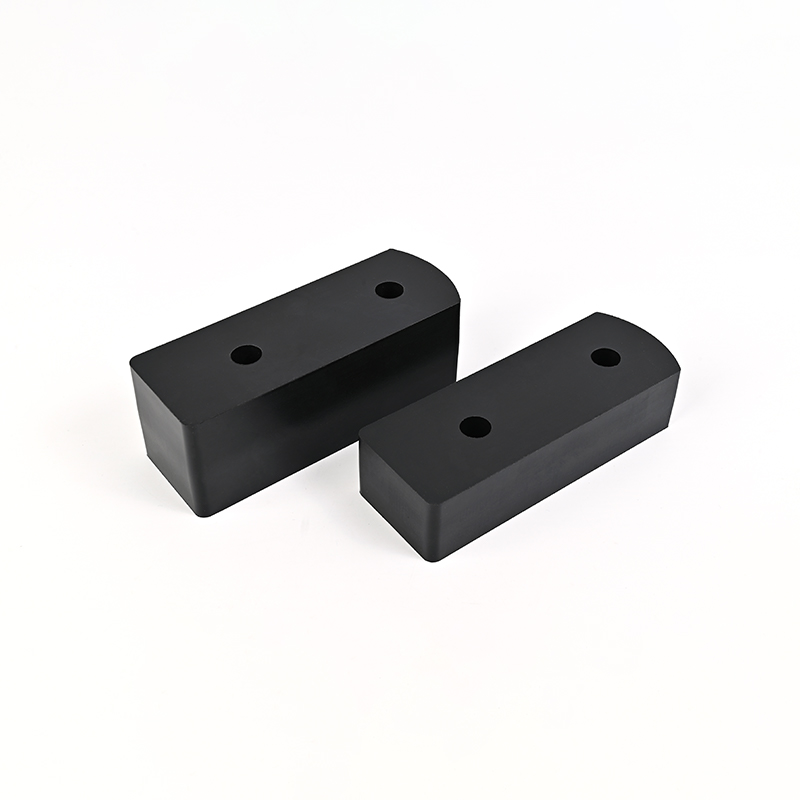
Rubber buffer pads
Rubber buffer pads, also called bumpers, buffer blocks or rubber buffers, are solid or hollow rubber elements designed to absorb and limit the energy of a physical impact or to provide a controlled stop at the end of a range of mechanical movement.
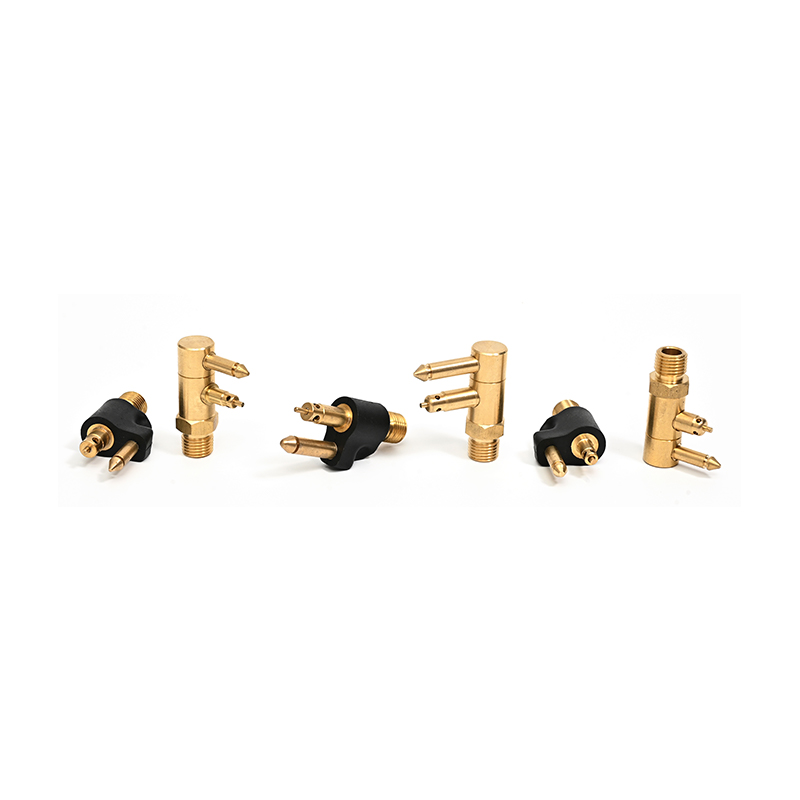
Brass fittings
The fuel connector is a quick-disconnect fitting that supplies fuel from the outboard motor's portable tank to the engine. The system consists of two parts: a tank-side connector and an engine-side connector, each available in a male or female version.
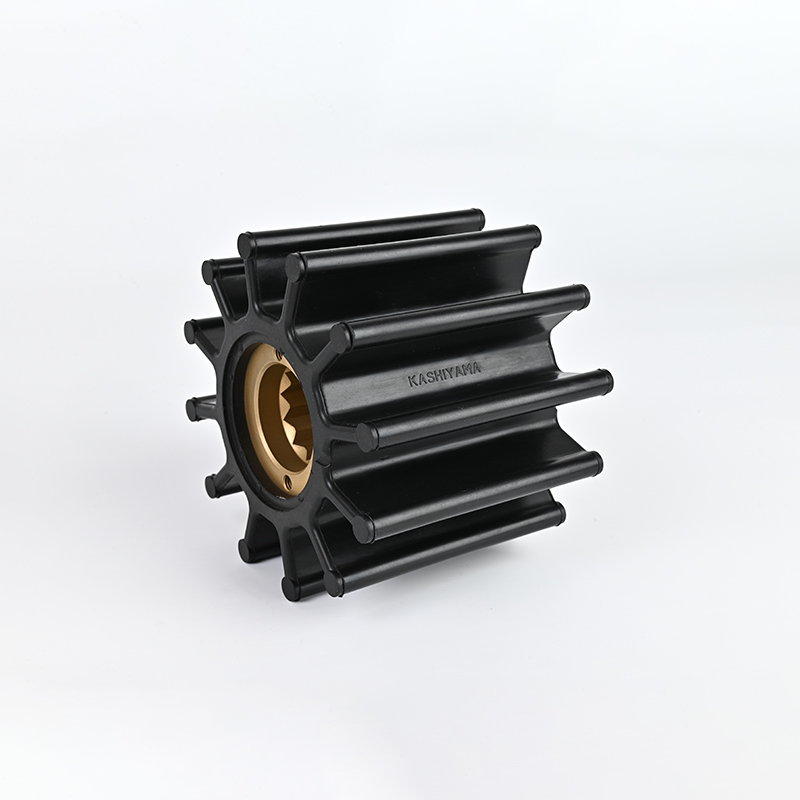
Flexible impellers (for stationary engines)
A flexible impeller is a rubber working element installed in a positive-displacement centrifugal pump, most often in the seawater pump of a stationary marine engine cooling system. As the impeller rotates inside the eccentric pump casing, its flexible blades bend and straighten to pump and draw seawater through the cooling circuit.
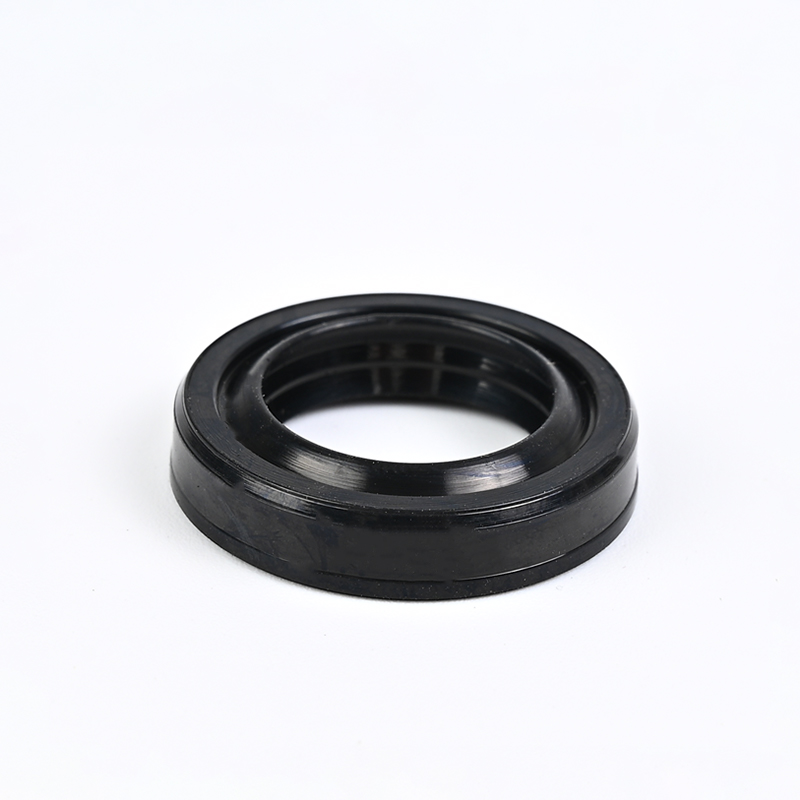
Oil seals
The outboard motor operates in constant contact with water - fresh or salt. The lower gear housing contains gear oil, which must remain isolated from surrounding water. This separation is ensured by seals on the propeller, drive and intermediate shafts.
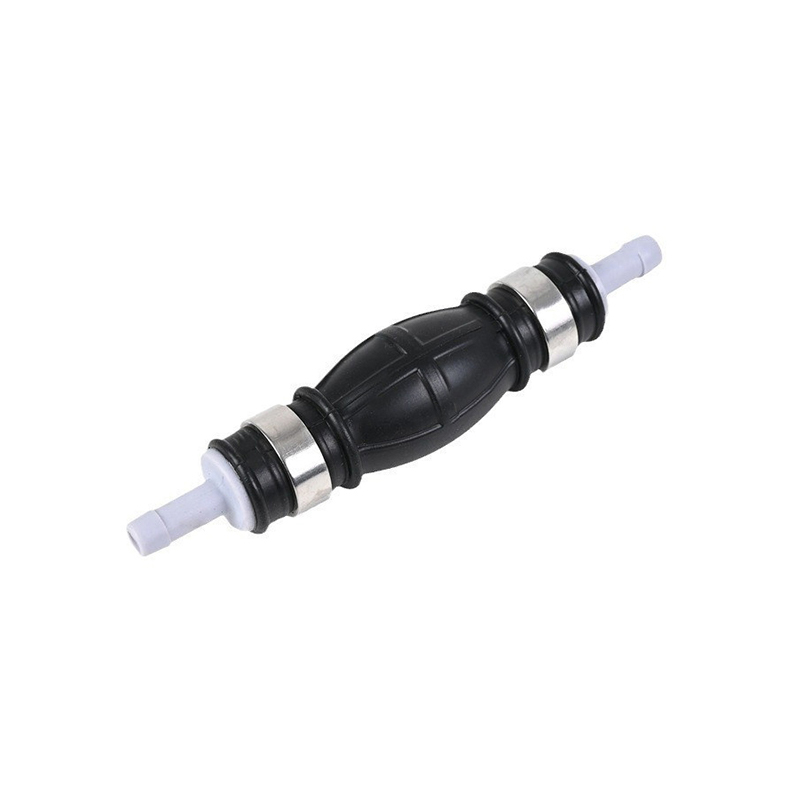
Manual fuel pumps
Manual Primer Bulb - A squeezable fuel resistant rubber bulb with two built-in one-way check valves used to manually prime the fuel line before starting the outboard motor.
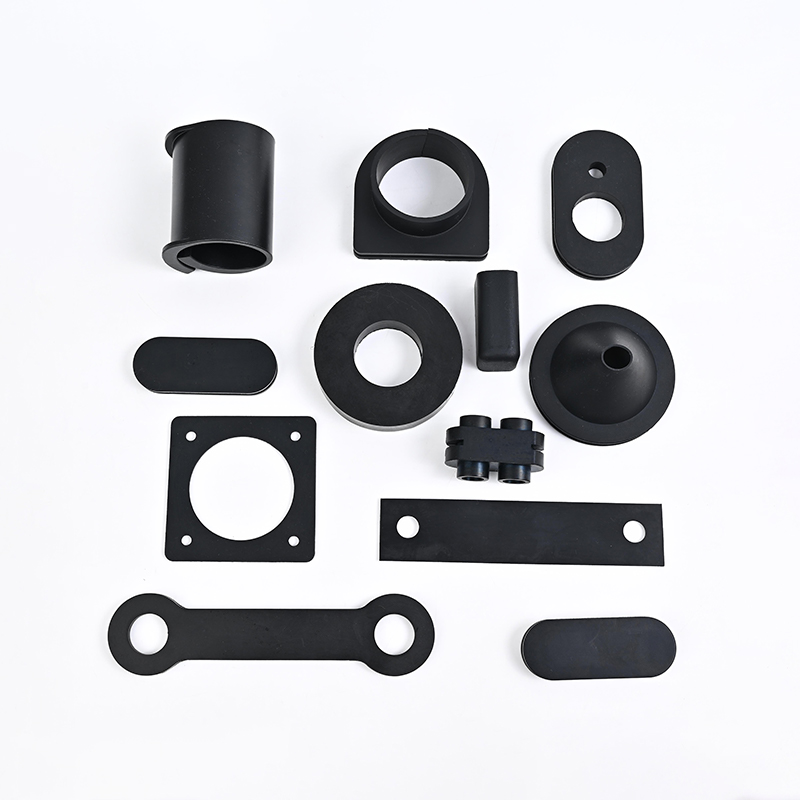
Rubber gasket
Rubber sealing components prevent fluids, gases and contaminants from passing through connections, gaps and passages. They are used in industrial equipment, hydraulic systems, engines, piping, housings and automotive assemblies wherever a sealed connection is required.
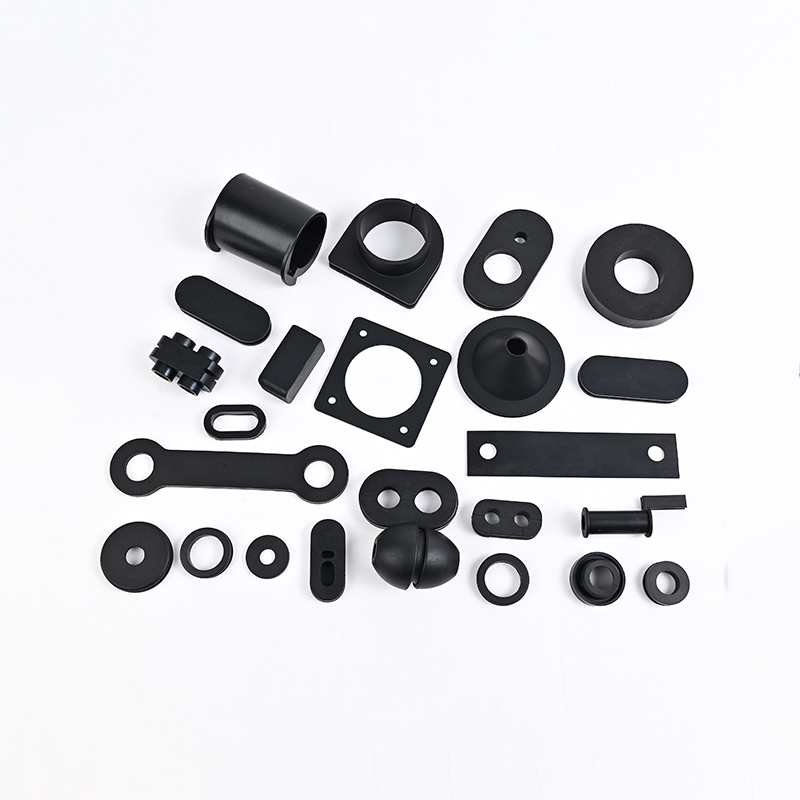
Rubber grommets/cable sealing grommets
Rubber grommets are a resilient ring installed in a mounting hole in a metal panel, bulkhead, or enclosure to allow cables, tubing, or wiring harnesses to pass through.
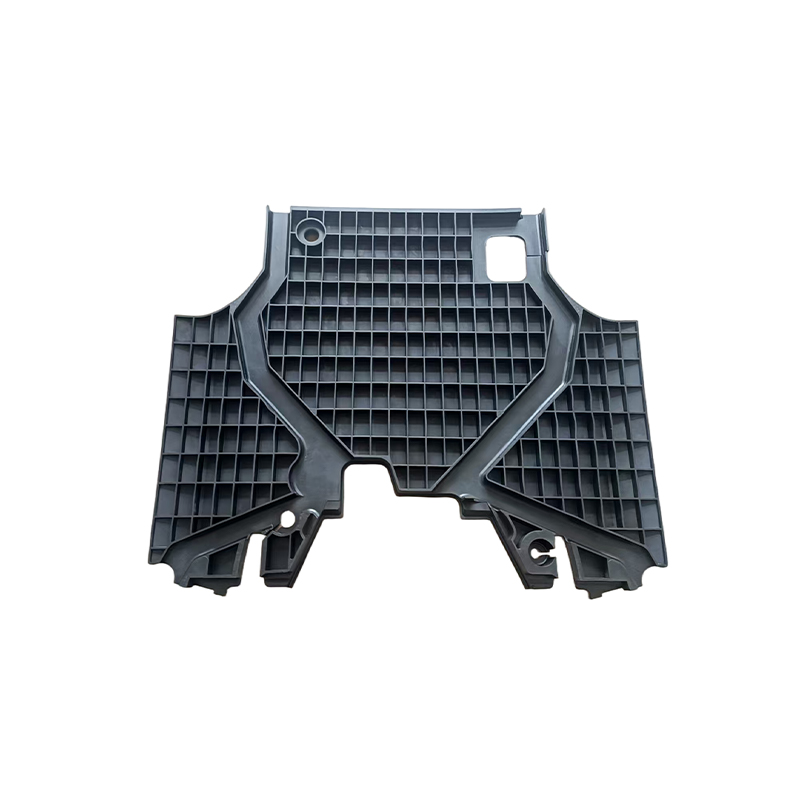
Mats for construction equipment
Rubber mats and pedal pads are functional components of the tractor and agricultural machine cab that provide operator traction with controls, reduce vibration load on the feet and knees, and also protect the metal surfaces of the floor and pedals from wear and slipping.