

-


-


-
-


-
-


-


whatsapp

-
WeChat

-
Telegram

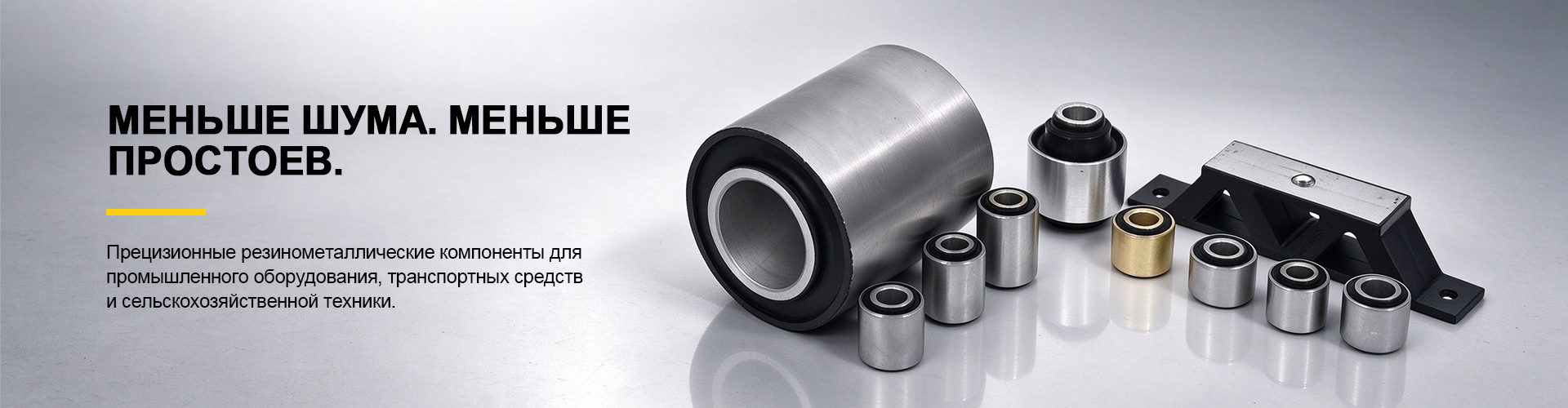
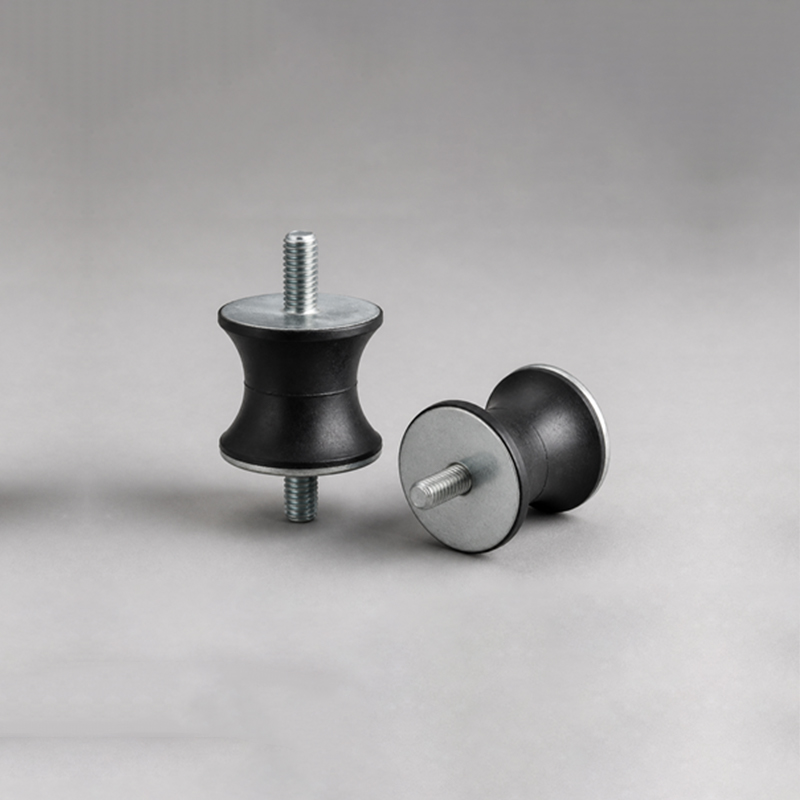
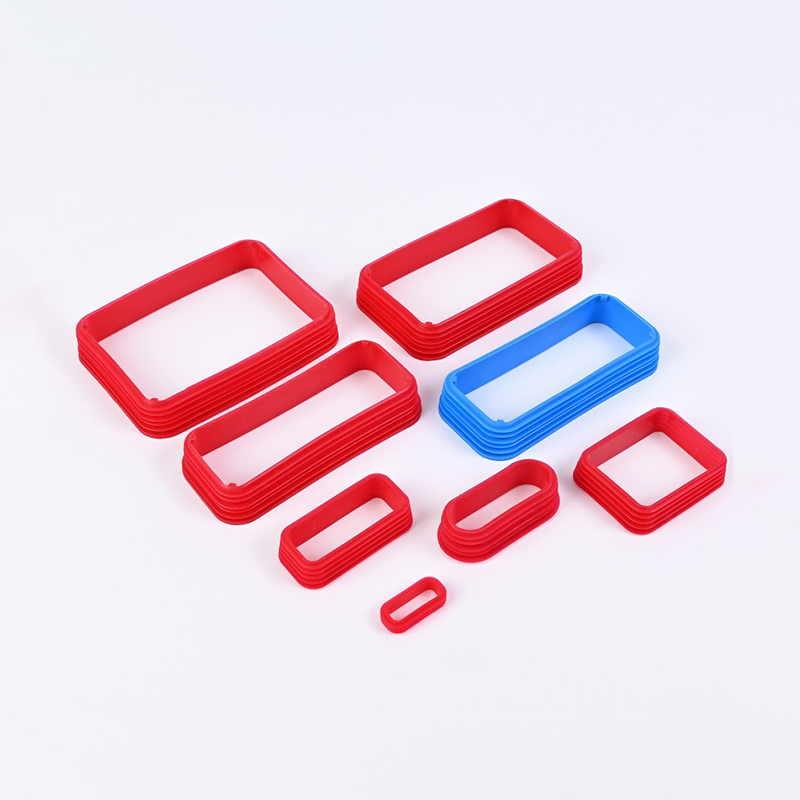
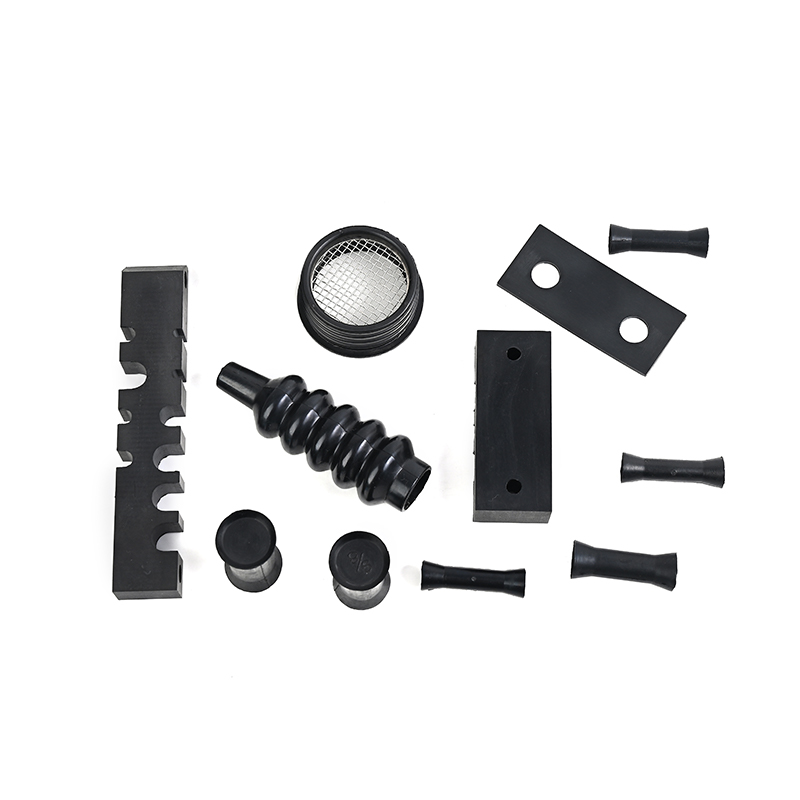
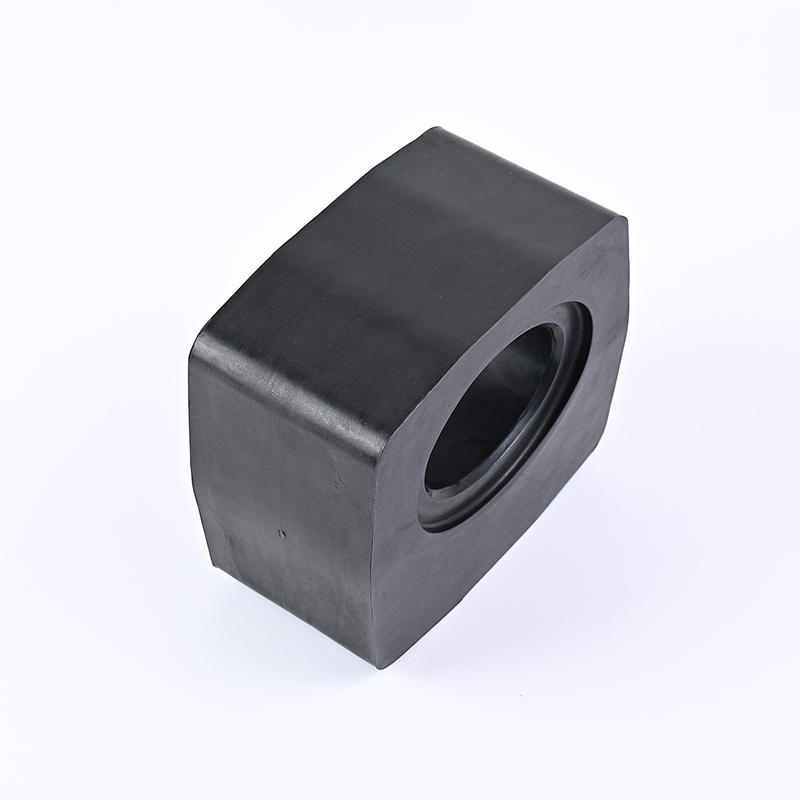
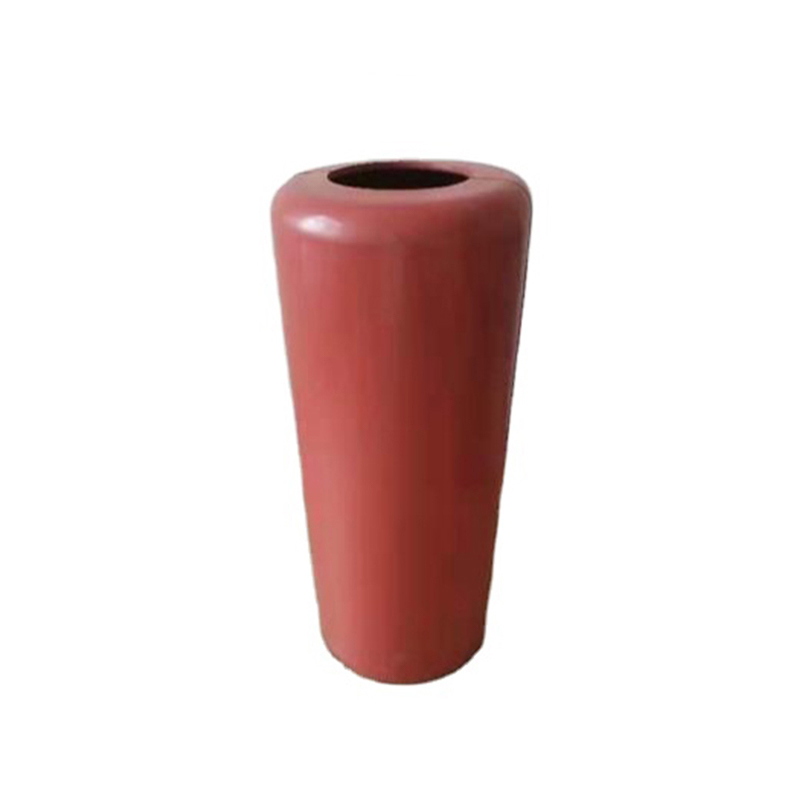
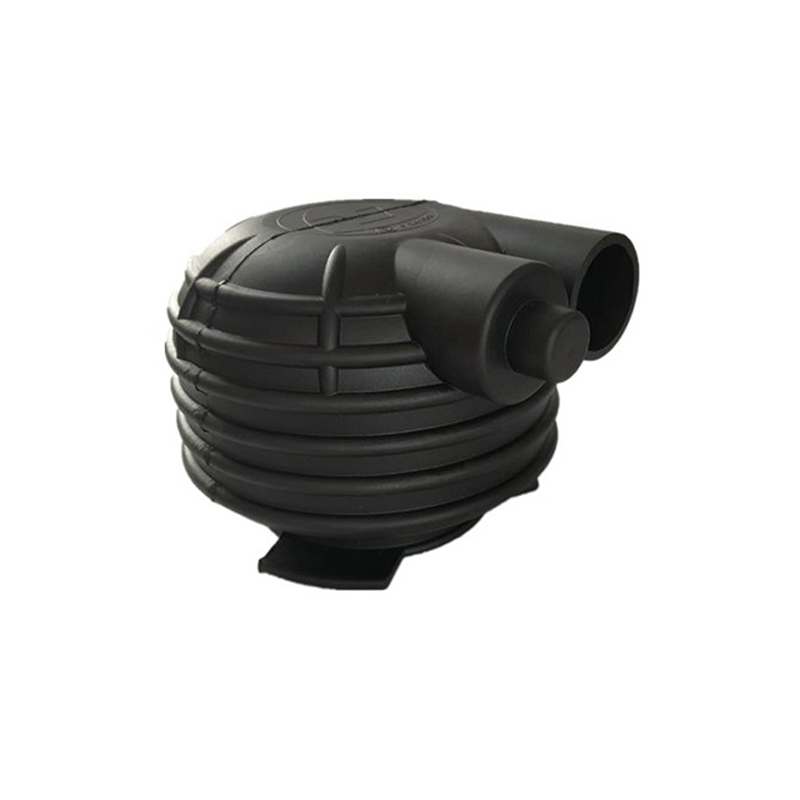
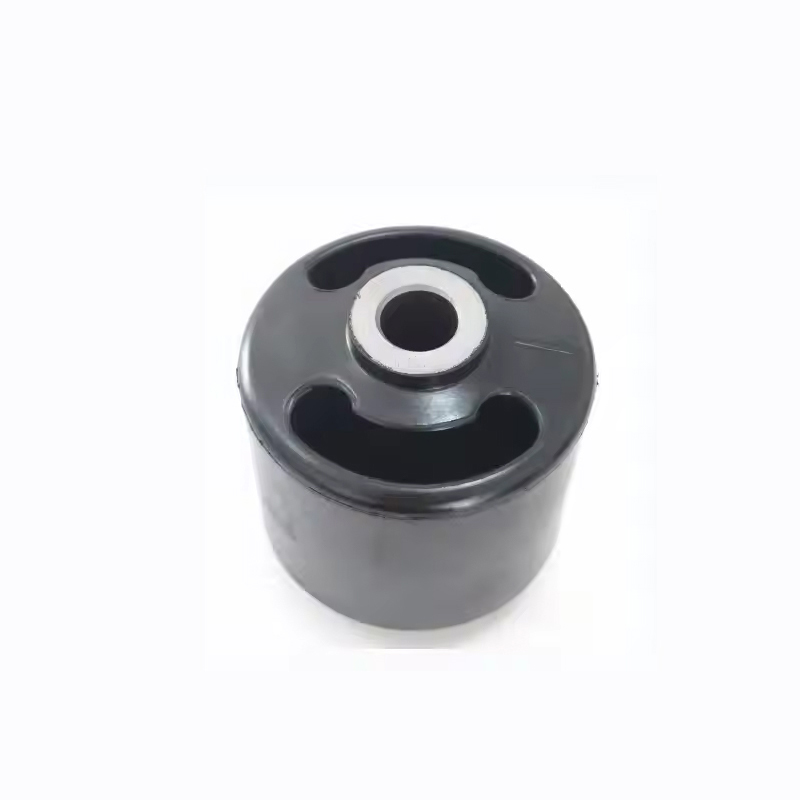
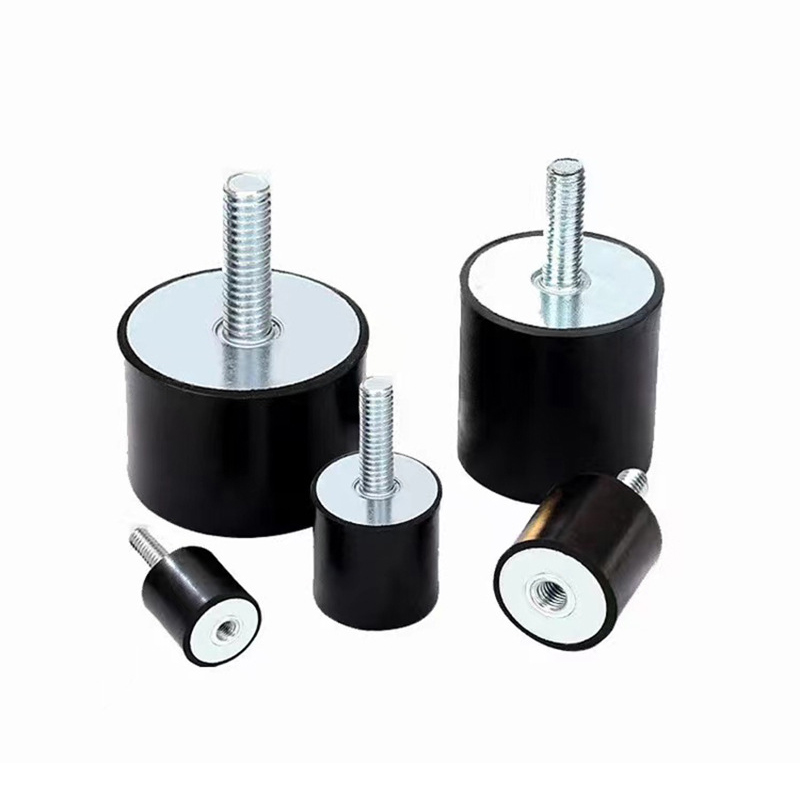
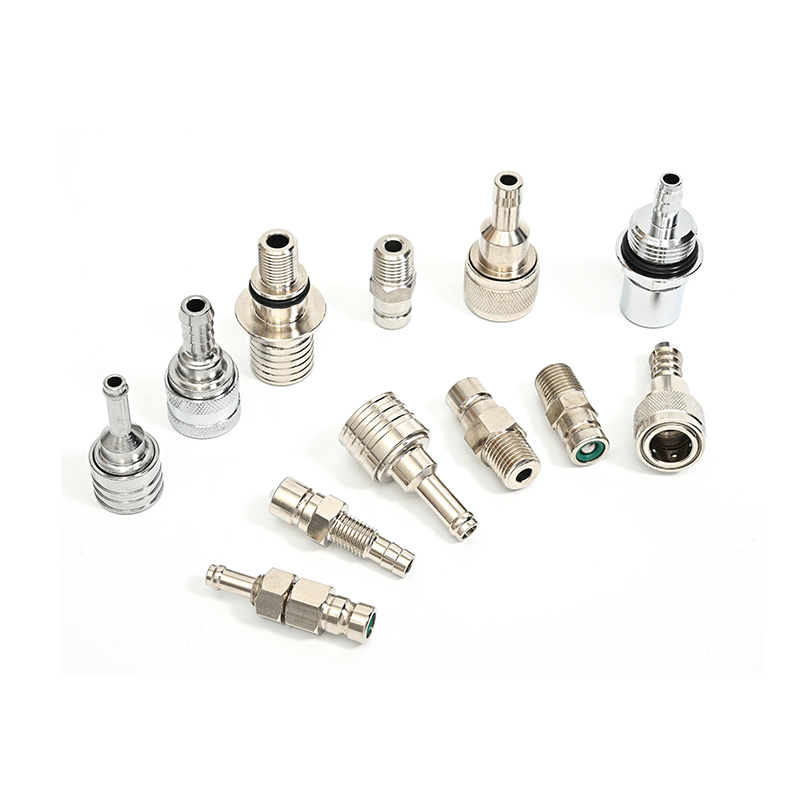
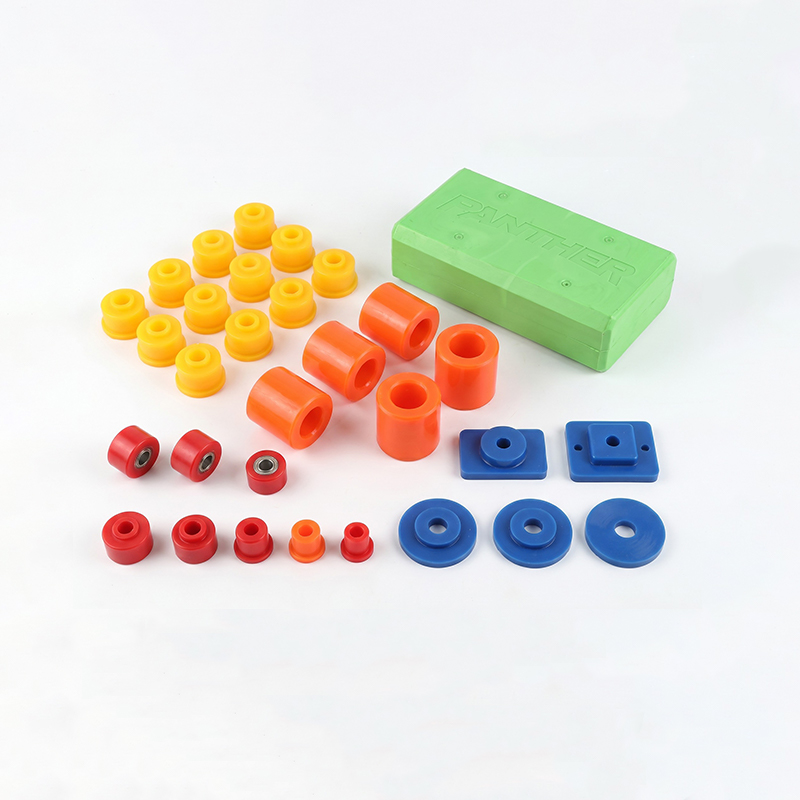
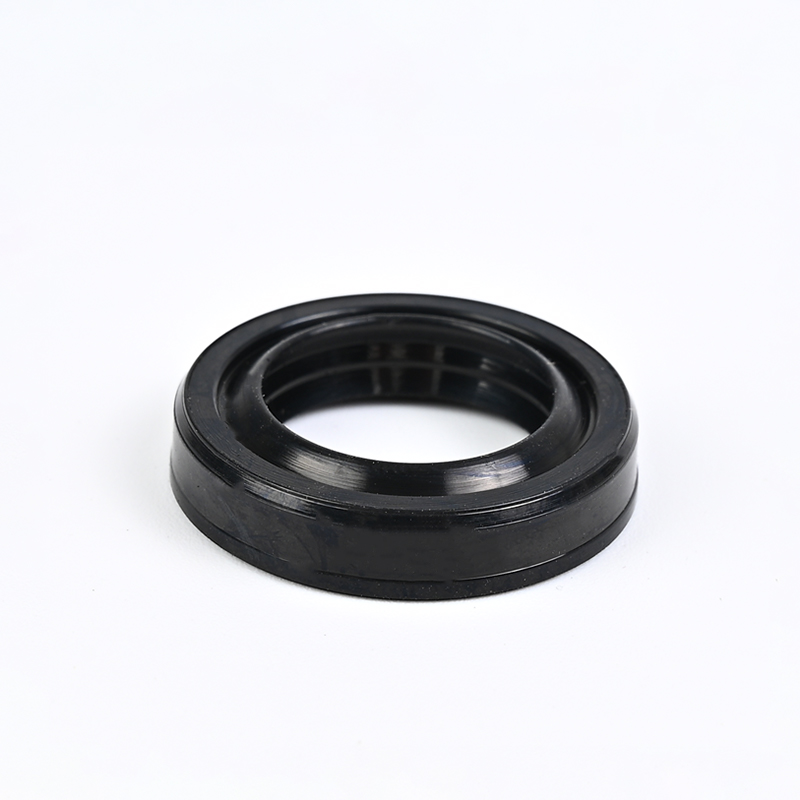
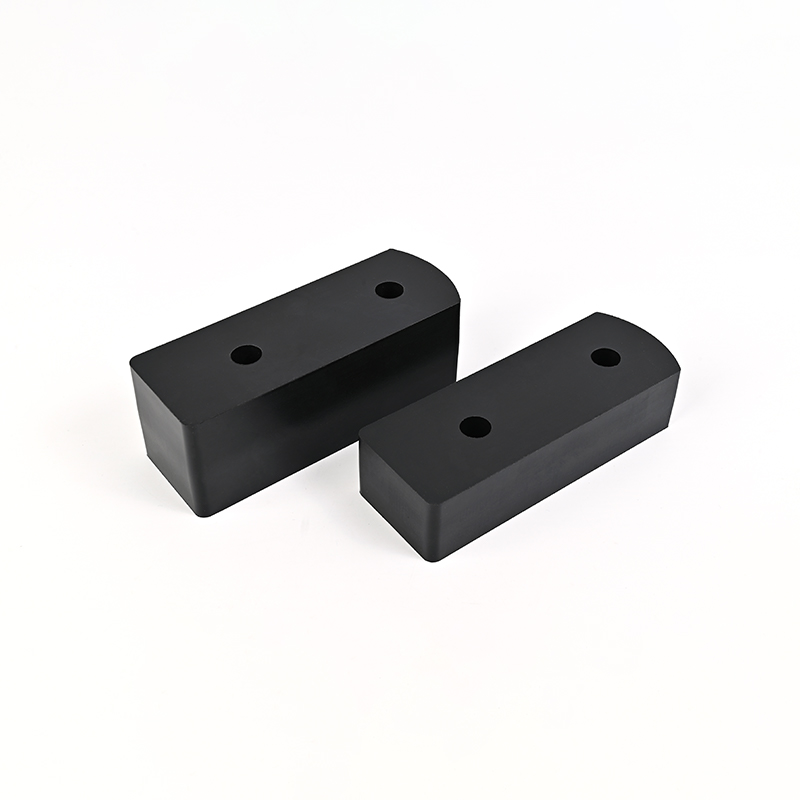
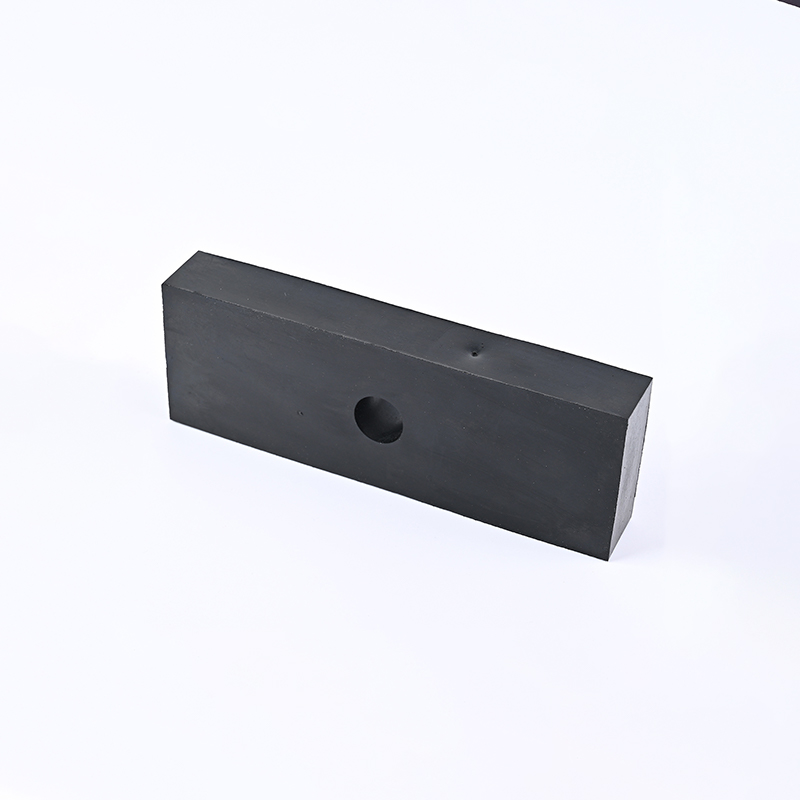
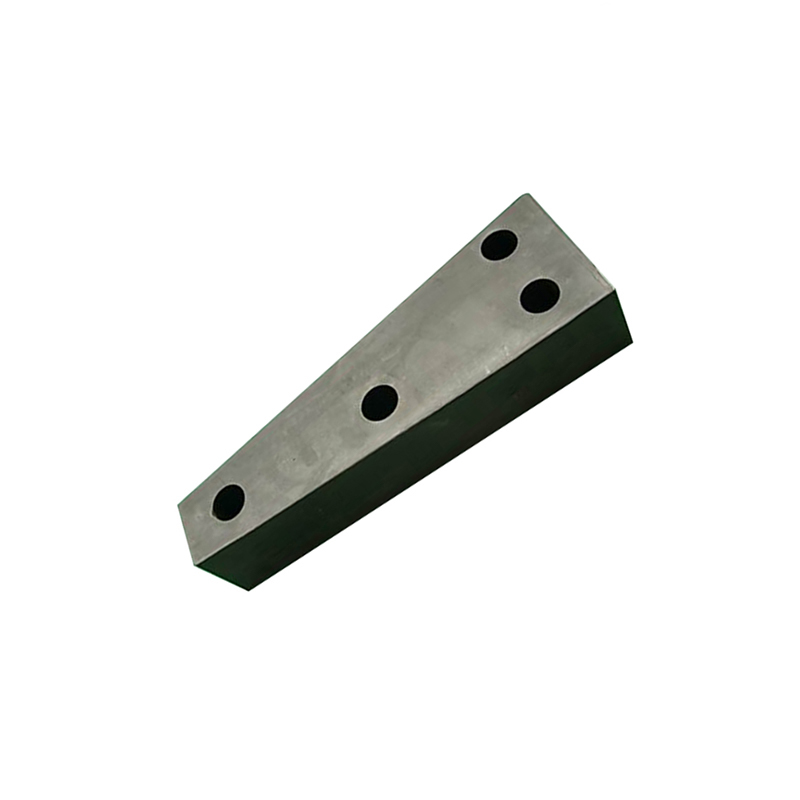
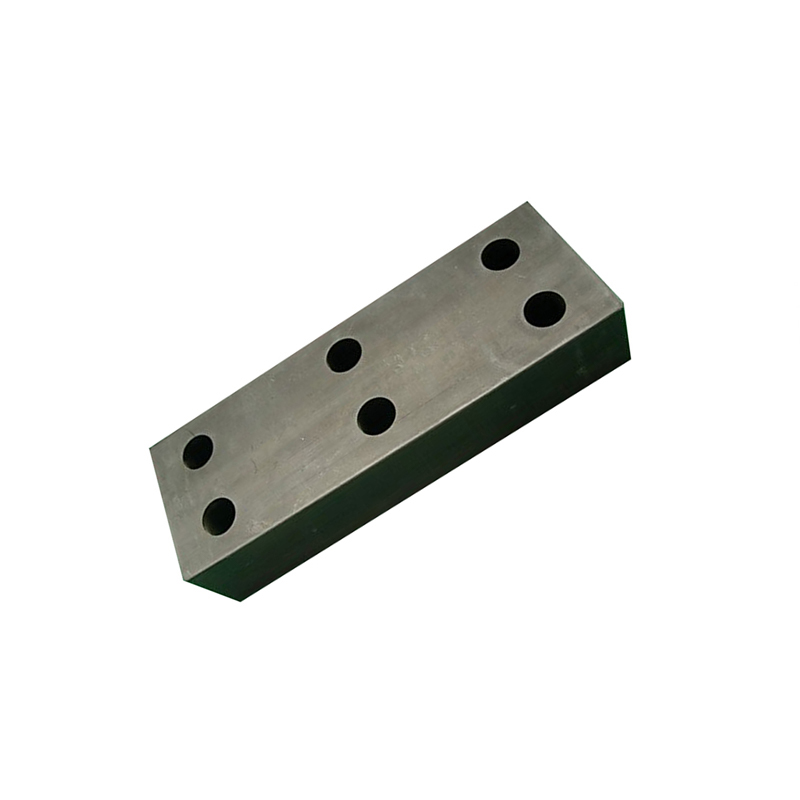
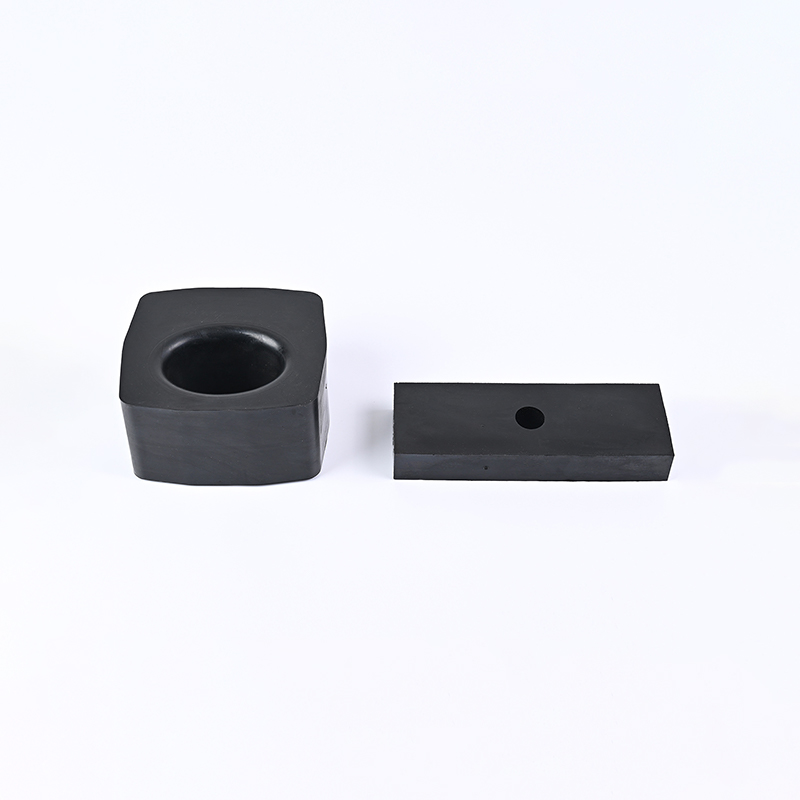
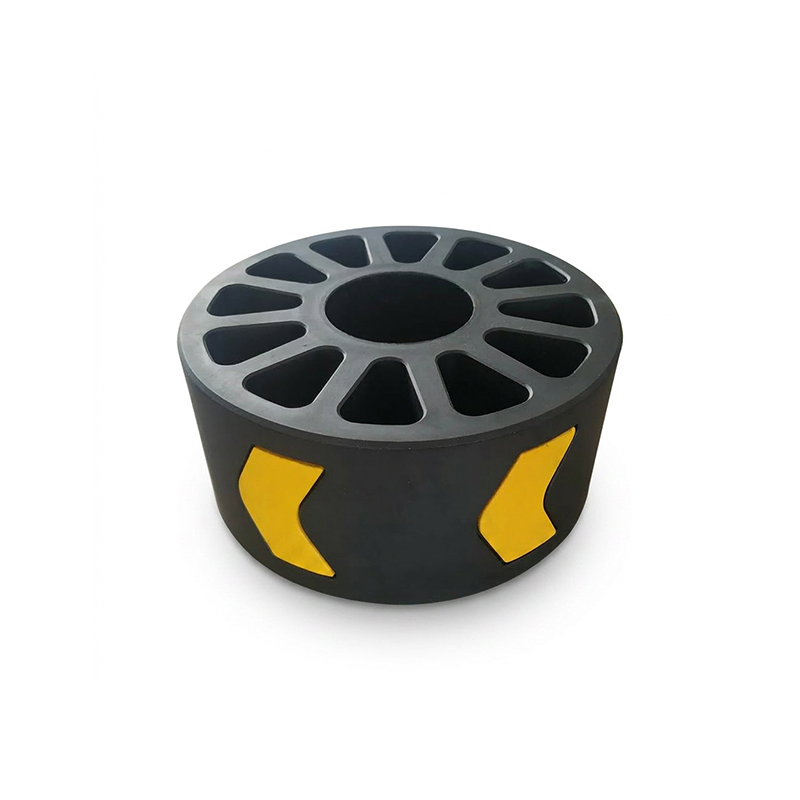
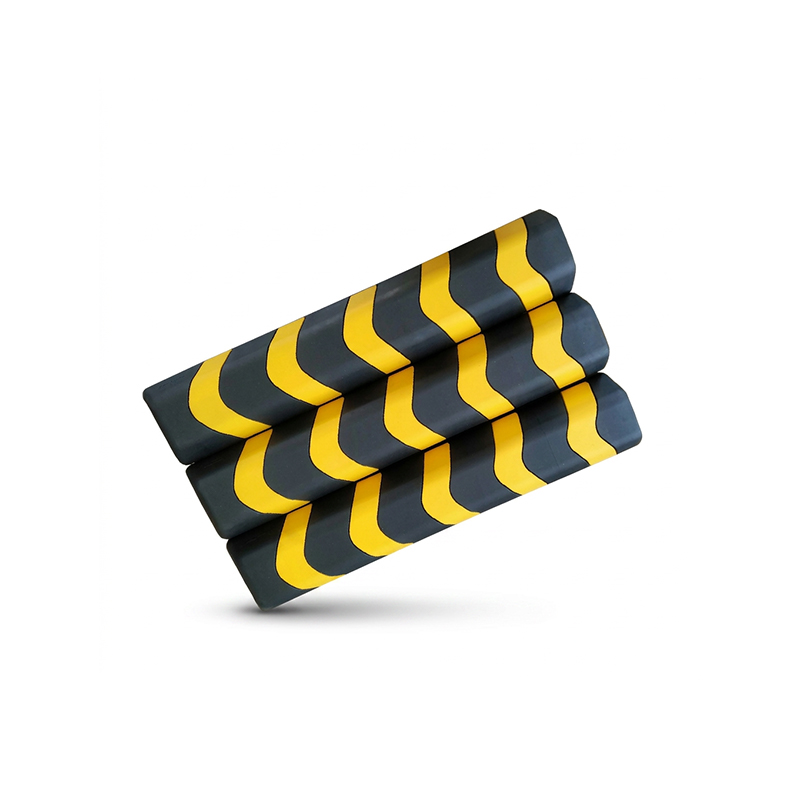
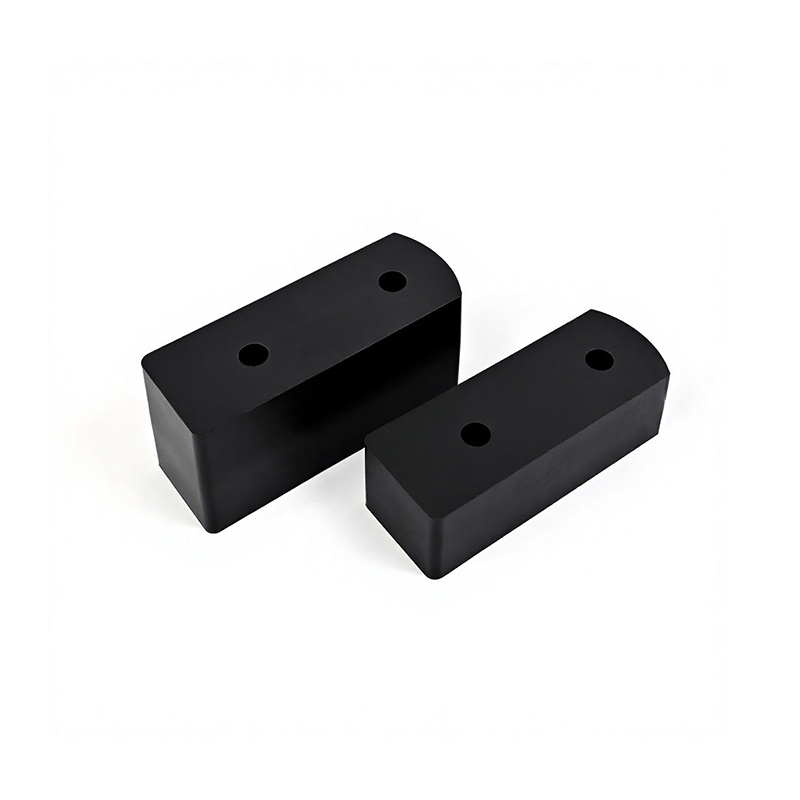
Rubber buffer pads
Rubber buffer pads, also called bumpers, buffer blocks or rubber buffers, are solid or hollow rubber elements designed to absorb and limit the energy of a physical impact or to provide a controlled stop at the end of a range of mechanical movement.
Description
marker
Product Description
Rubber buffer pads, also called bumpers, buffer blocks or rubber buffers, are solid or hollow rubber elements designed to absorb and limit the energy of a physical impact or to provide a controlled stop at the end of a range of mechanical movement. Their function is shock control: they perceive single, periodic or repeating mechanical contacts, in contrast to the continuous cyclic vibrations with which vibration mounts operate.
The rubber buffer deforms under impact load, absorbs kinetic energy and returns to its original shape, preventing hard metal-to-metal contact, protecting equipment surfaces, reducing impact noise and precise mechanical stop positioning.
Typical Applications
Rubber buffer pads are used wherever a moving component needs to be stopped, guided or protected at the point of contact:
- Industrial equipment: end stops of moving tables, end buffers of conveyors, stops of press tables, contact points of equipment safety guards
- Doors and gates: door buffers-limiters, end buffers of sliding gates, hatch and lid bumpers
- Agricultural machinery: rear side buffers, thrust pads for traction bars, cab door bumpers
- Construction and logistics: buffers for loading platforms, wheel chocks for vehicles, corner cushions for containers
- Automotive and transport sector: suspension bumpers, door stop buffers, load securing pads
- Industrial Collision Protection Systems: Custom rubber impact absorbing modules for forklift and vehicle guarding systems in warehouses, factories and logistics facilities, including rotating and stationary impact modules integrated into steel load-bearing frames
Design versions
| Execution | Description |
| Flat pillow | A simple rectangular or round rubber block; adhesive or bolt fastening; takes direct compression |
| Dome/mushroom buffer | Convex profile distributes impact load; self-centering on contact |
| Cylindrical insert buffer | Installation by pressing or through bolt; compact footprint; high energy absorption per unit volume |
| Hollow buffer | Profile with controlled collapse; rigidity is adjusted by wall thickness and hole geometry |
| Buffer with threaded rod | Integrated metal stud for direct screw-in mounting |
Non-standard profiles are manufactured by compression molding according to customer drawings.
Materials
| Material | Characteristics | Recommended for |
| NR (natural rubber) | Best elastic recovery after impact; high elasticity; main choice | General industrial, agricultural and transport buffers |
| NBR (nitrile rubber) | Resistance to oil and fuel; Suitable for oil-exposed environments | Equipment in engine compartments and hydraulic areas |
| EPDM | Ozone and UV resistance | Outdoor applications, loading dock buffers, gate stops exposed to weathering |
Standard hardness range: 50–80 Shore A. Non-standard hardness - according to drawing.
Made to order
All rubber buffer pads are manufactured according to customer specifications. Provide:
Technical drawing with dimensions, tolerances, Shore A hardness and specification of any metal inserts or threads
Physical sample for measurements and material selection
Description of application - contact force, travel speed, impact frequency, working environment
Production time depends on mold requirements and is confirmed upon request.
contact us
Related Popular Products
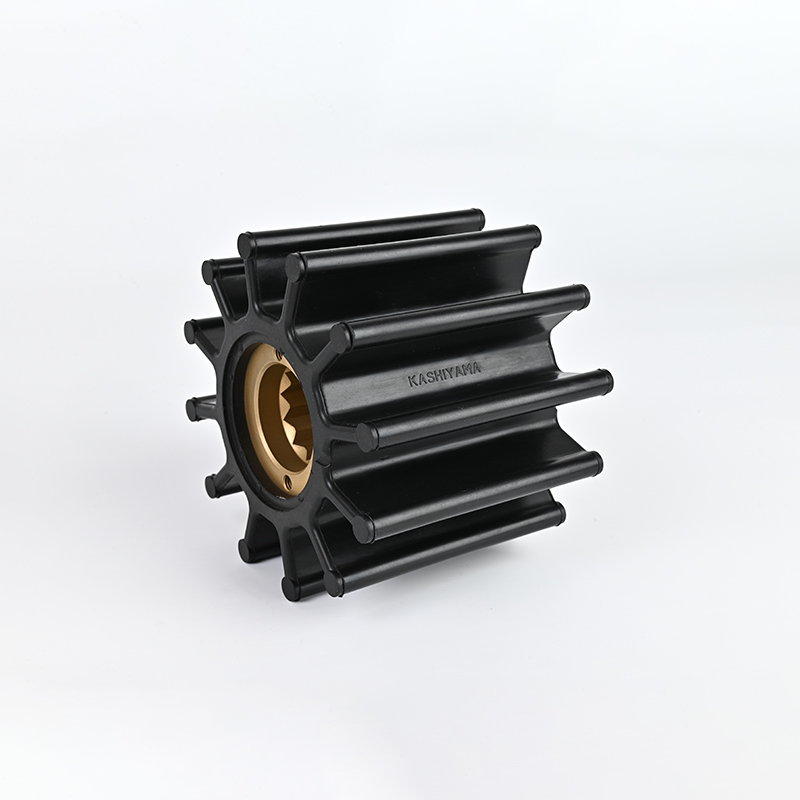
Flexible impellers (for stationary engines)
A flexible impeller is a rubber working element installed in a positive-displacement centrifugal pump, most often in the seawater pump of a stationary marine engine cooling system. As the impeller rotates inside the eccentric pump casing, its flexible blades bend and straighten to pump and draw seawater through the cooling circuit.
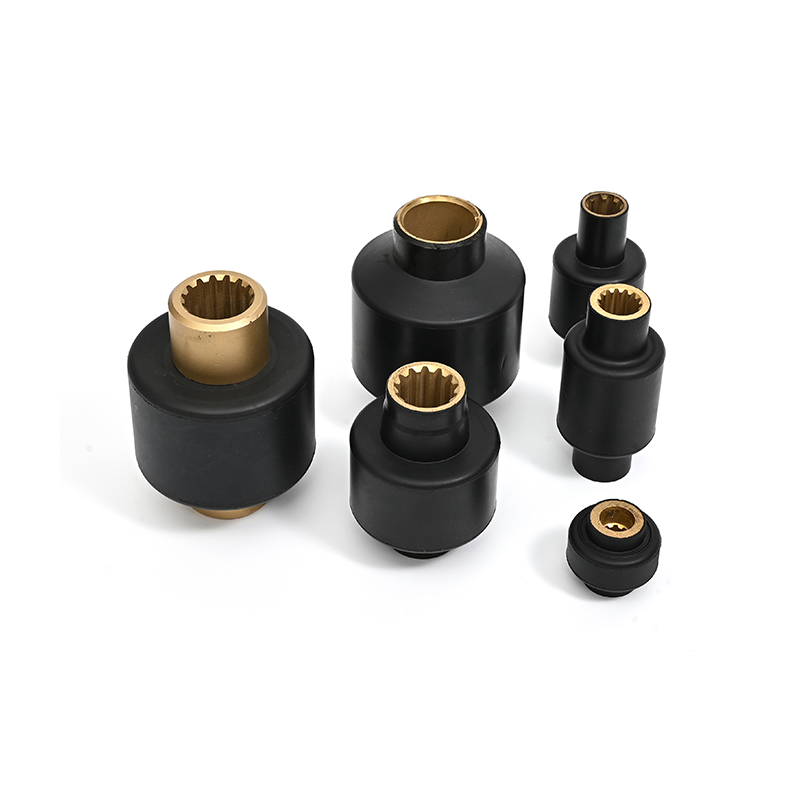
Propeller bushings
Propeller bushing (hub bushing) is a rubber element located between the propeller hub and the output end of the motor drive shaft.
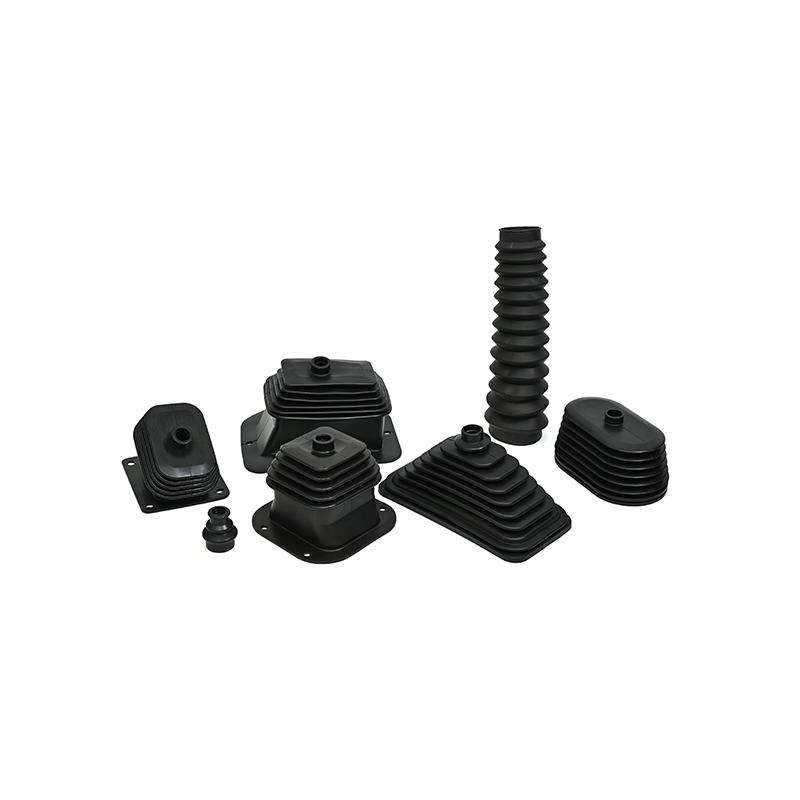
Rubber boots / telescopic boots
A rubber telescopic boot - corrugated or folded - stretches and contracts with the movement of the shaft, rod, lead screw or cylinder. It forms a continuous protective barrier between the work surface and the external environment.
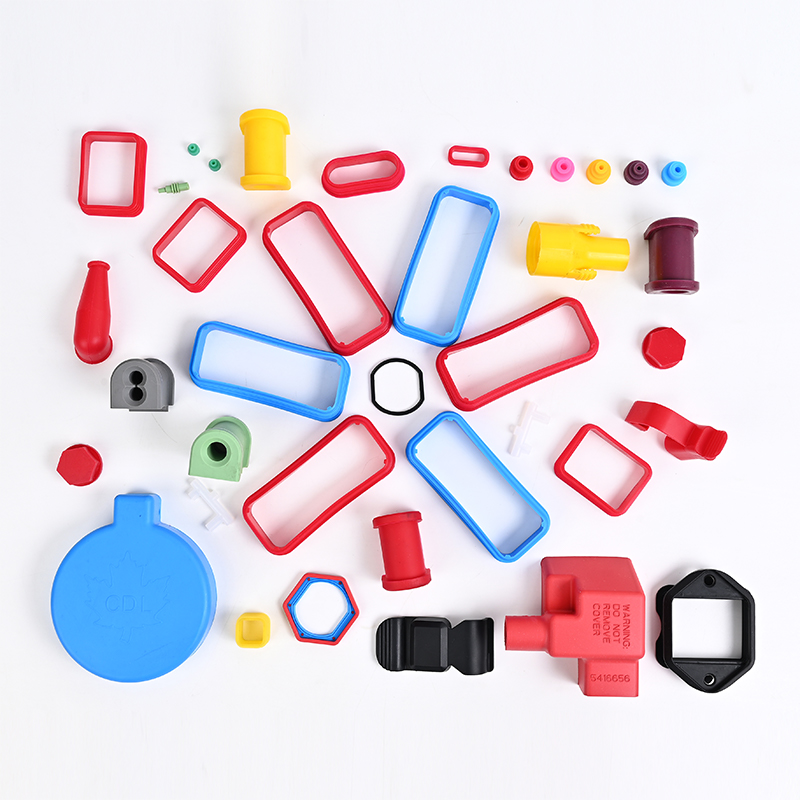
Silicone cable assemblies
JQ Rubber manufactures a wide range of custom silicone sealing components for automotive wiring harnesses and electrical connector systems.
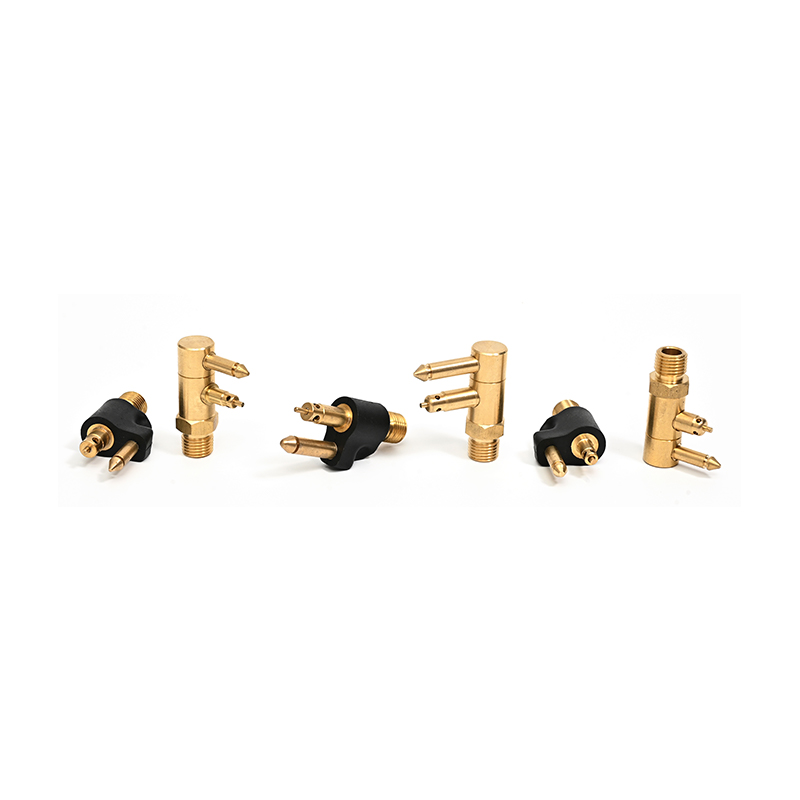
Brass fittings
The fuel connector is a quick-disconnect fitting that supplies fuel from the outboard motor's portable tank to the engine. The system consists of two parts: a tank-side connector and an engine-side connector, each available in a male or female version.
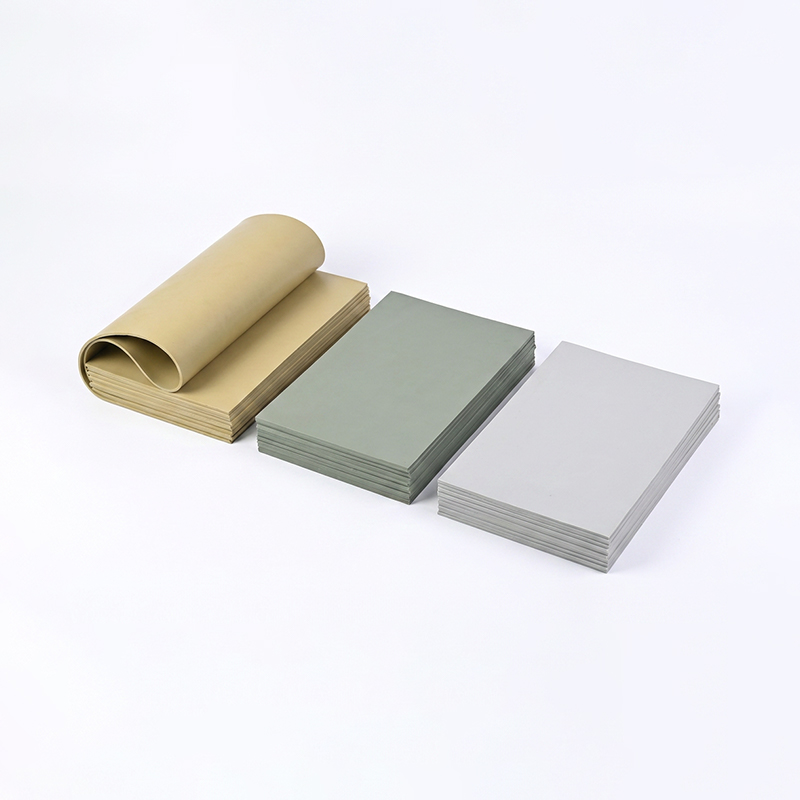
Rubber plates for laser engraving
Laser engraving rubber sheets are the main consumable material for making automatic and traditional rubber stamps using CO₂ laser engraving equipment. It is used by stamp shops, laser engraving shops, office and stationery distributors, and wholesale suppliers of materials to stamp manufacturers.
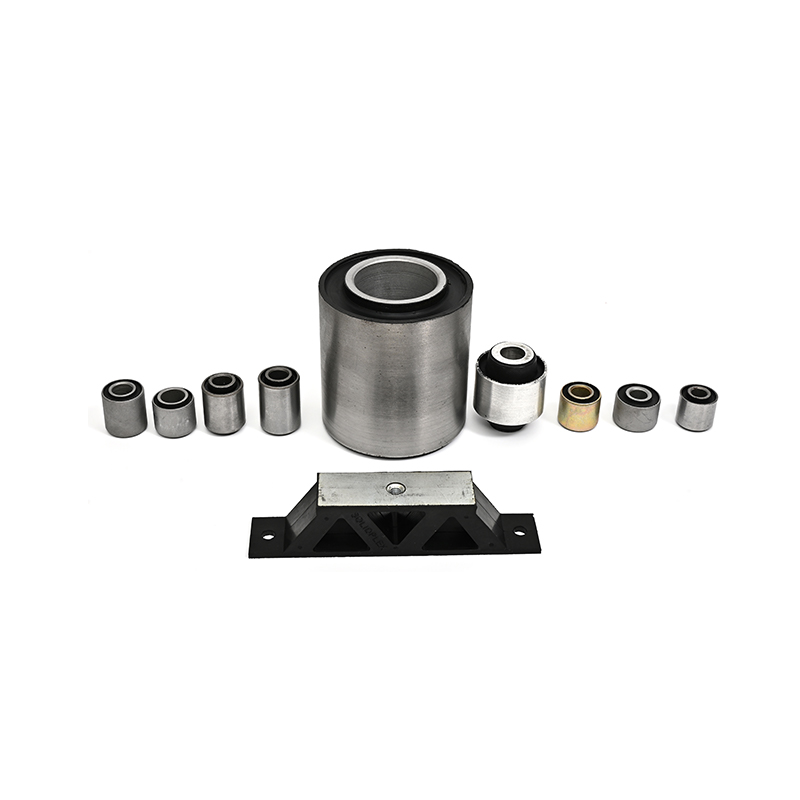
CRP-BN-001
A rubber-metal part is a structural element in which a rubber layer is chemically and mechanically connected to a metal base during hot vulcanization.
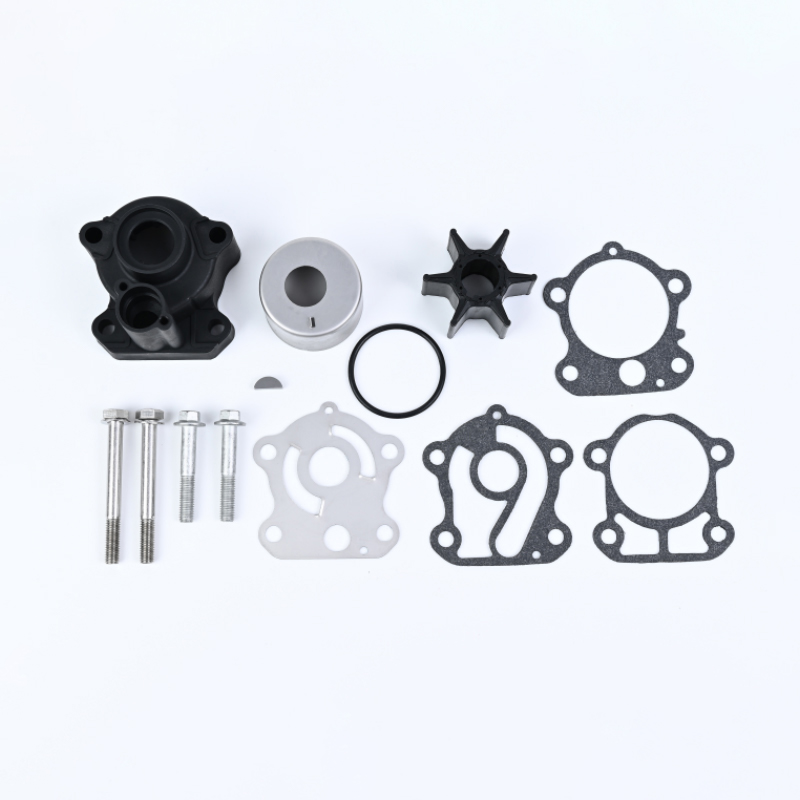
Water pump repair kits
The outboard motor's cooling system operates as an open water loop: the pump draws seawater from outside the boat's hull, pumps it through the engine, and discharges it through the exhaust.
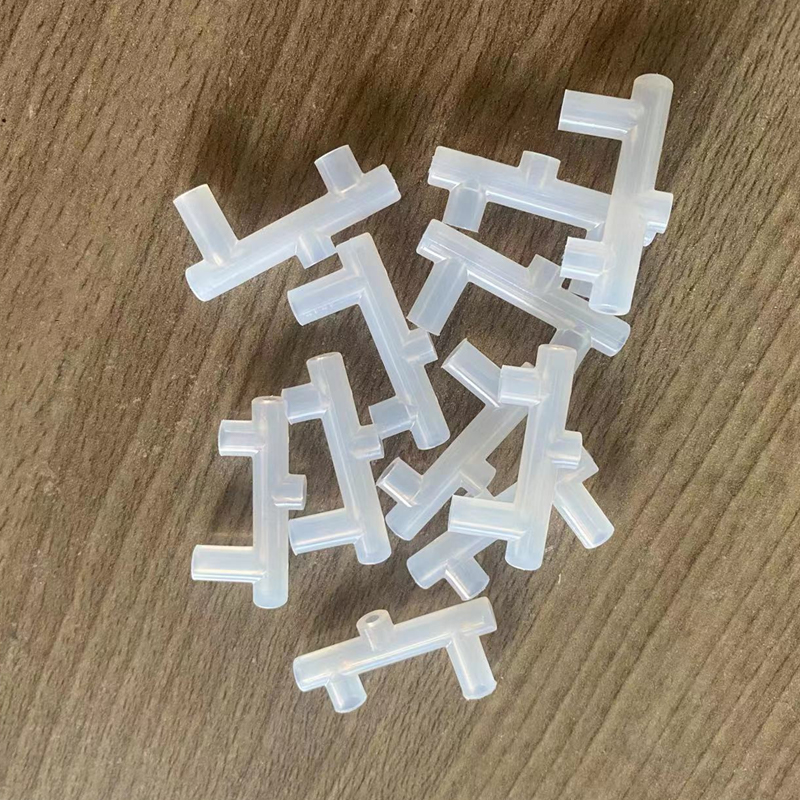
Four Way Pipe / Silicone Parts for Medical Products
JQ Rubber manufactures custom silicone T-connectors and multi-port tube fittings using compression molding or injection molding. Parts shown are small T-fittings made of translucent food grade silicone; Each fitting connects one inlet to two outlets, separating the flow of liquid or gas.
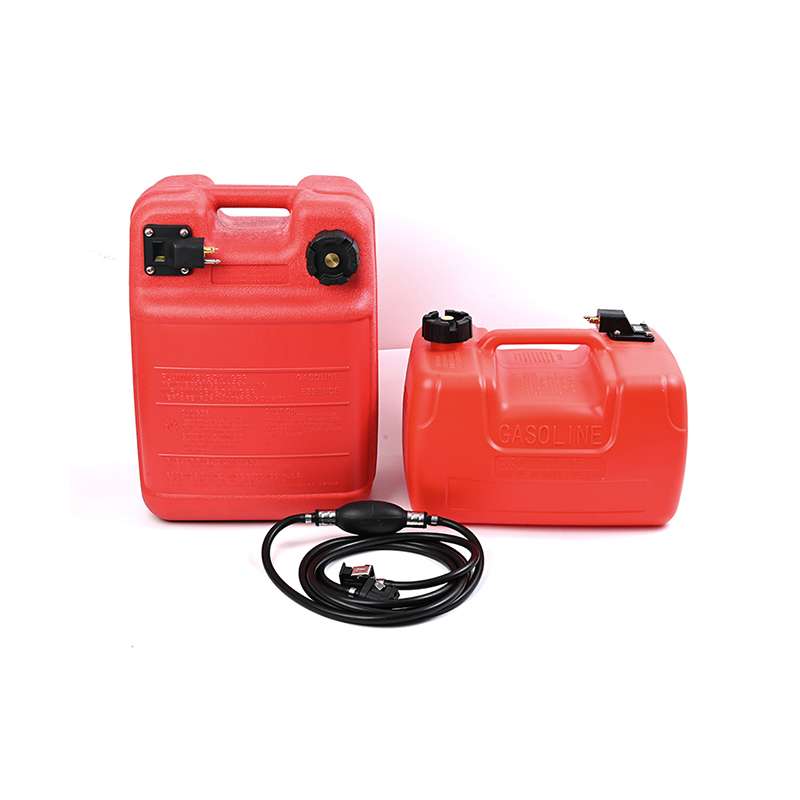
Fuel tanks and fuel level sensors
Outboard motors with an external portable fuel tank use a self-contained fuel supply system: a tank with a built-in fuel level indicator, a manual pump, a fuel hose and quick connectors. All components must work together, and each is a serviceable part subject to wear and replacement.
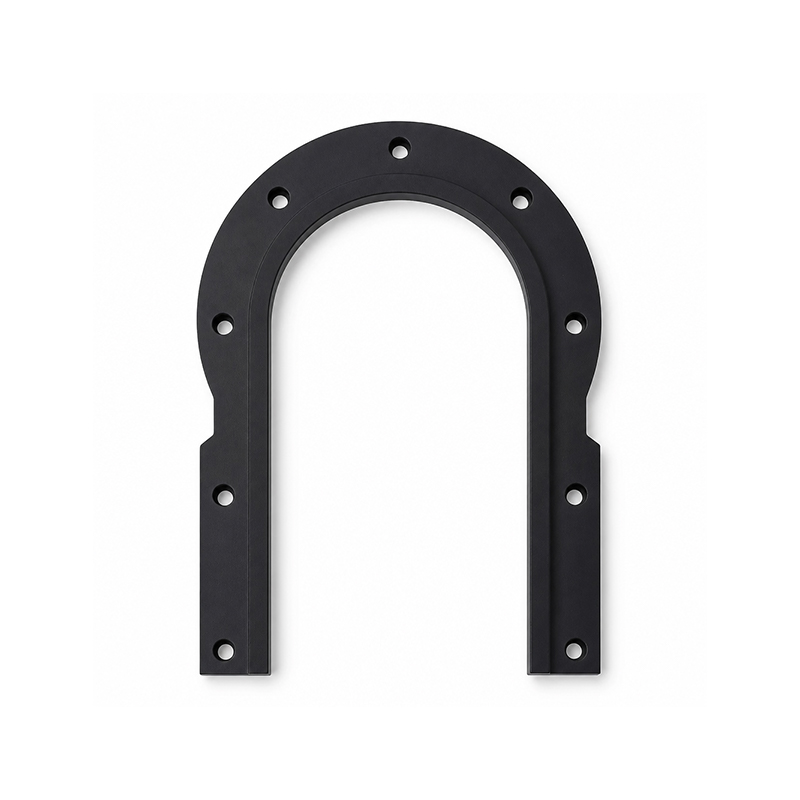
Custom U-Shape Seat Seal
Industrial U-seat seals for bi-directional gate valves. Available in NBR, EPDM and FKM with vulcanized steel core. Manufactured by Jianqing Rubber Products for mining, wastewater and slurry applications.
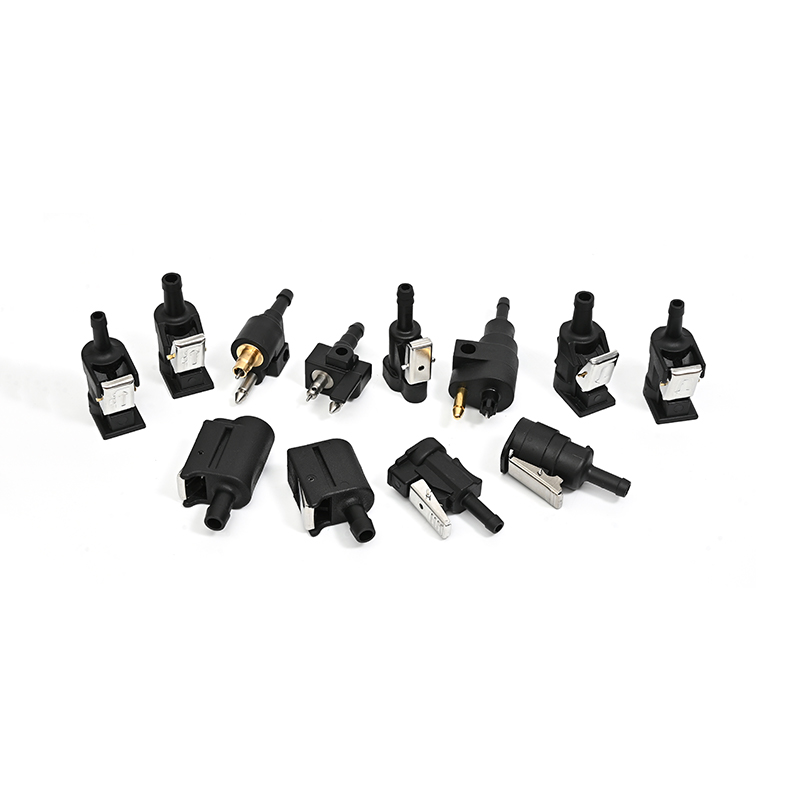
Plastic fittings
The fuel connector is a quick-disconnect fitting that supplies fuel from the outboard motor's portable tank to the engine. The system consists of two parts: a tank-side connector and an engine-side connector, each available in a male or female version.
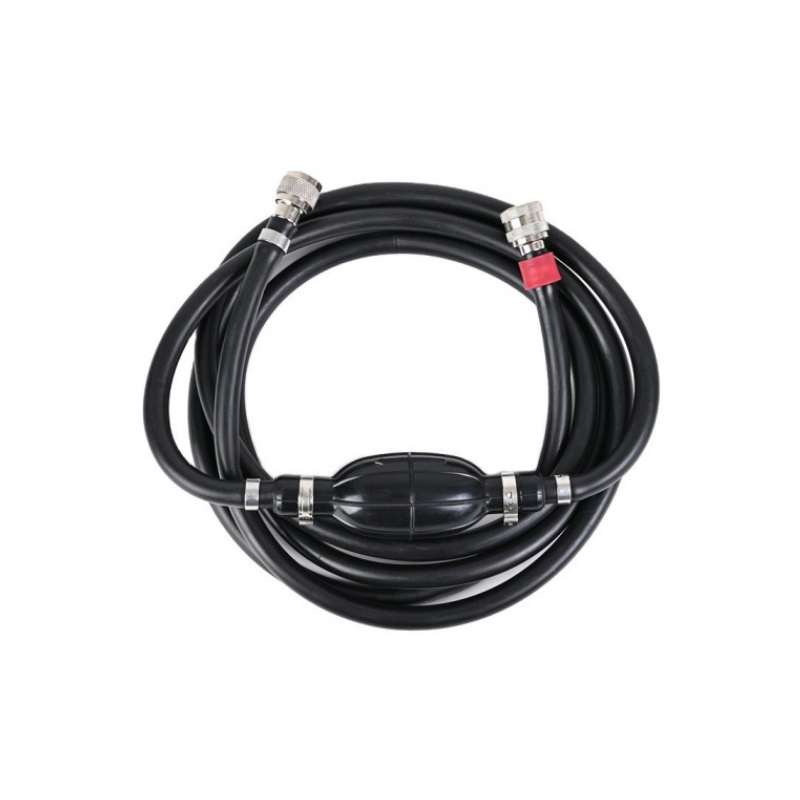
Fuel Lines and Hose Kits
The fuel hose is the critical link between your portable fuel tank and your outboard engine. Over time, rubber compounds lose flexibility, reinforcing braids are destroyed, and microcracks appear in the connector landing areas. A kinked hose, discoloration of rubber, or smell of fuel in the boat are reliable signs that replacement is needed.
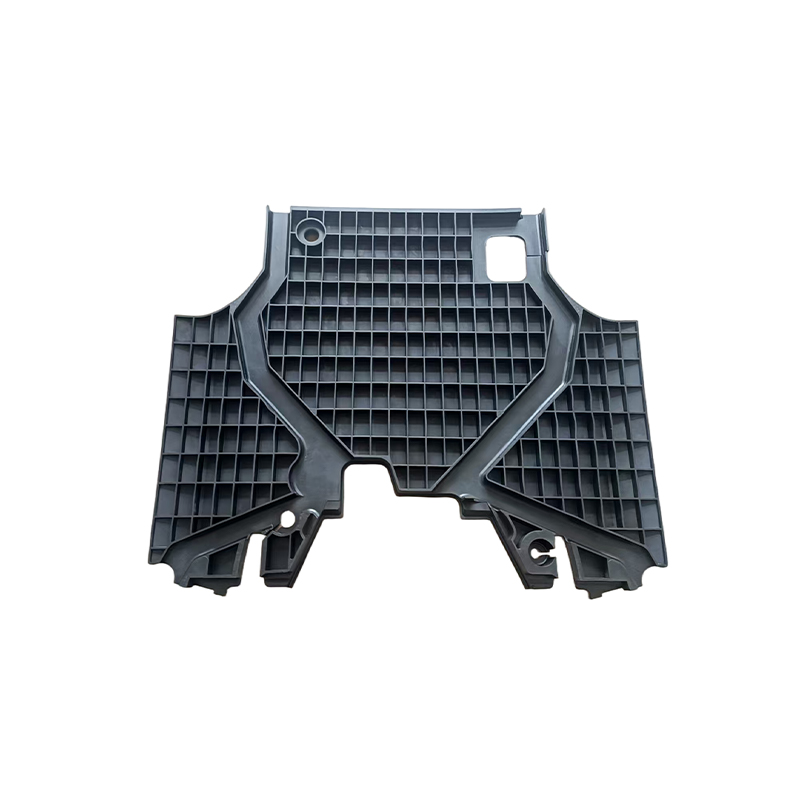
Mats for construction equipment
Rubber mats and pedal pads are functional components of the tractor and agricultural machine cab that provide operator traction with controls, reduce vibration load on the feet and knees, and also protect the metal surfaces of the floor and pedals from wear and slipping.
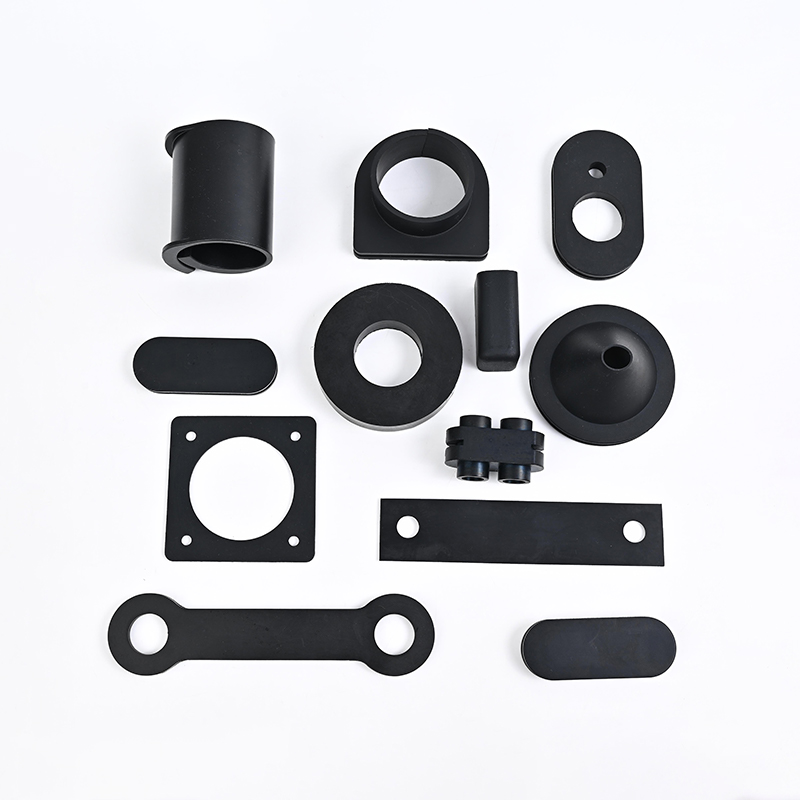
Rubber gasket
Rubber sealing components prevent fluids, gases and contaminants from passing through connections, gaps and passages. They are used in industrial equipment, hydraulic systems, engines, piping, housings and automotive assemblies wherever a sealed connection is required.
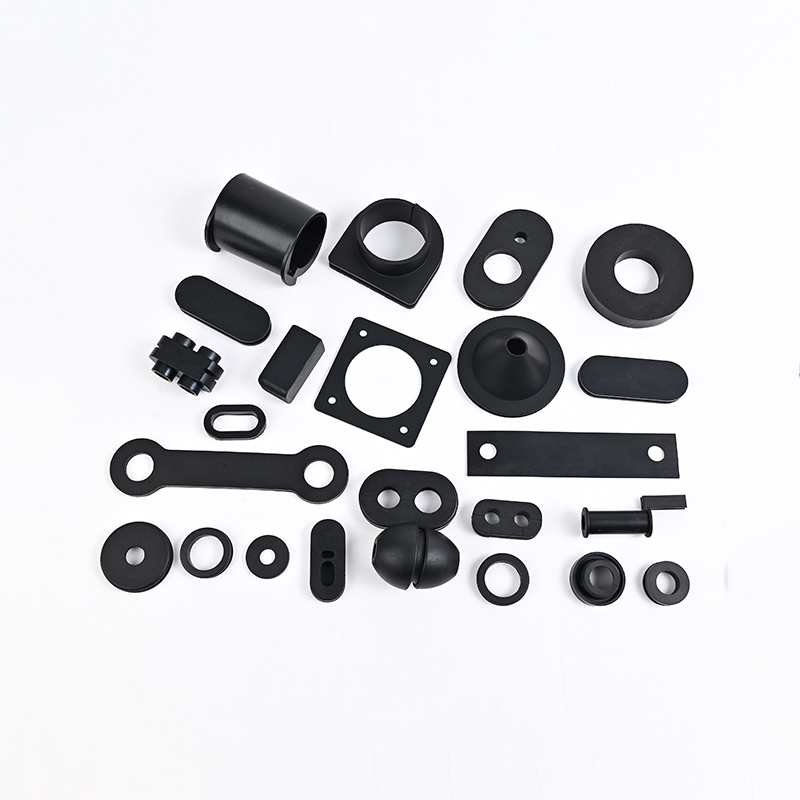
Rubber grommets/cable sealing grommets
Rubber grommets are a resilient ring installed in a mounting hole in a metal panel, bulkhead, or enclosure to allow cables, tubing, or wiring harnesses to pass through.