

-


-


-
-


-
-


-


whatsapp

-
WeChat

-
Telegram

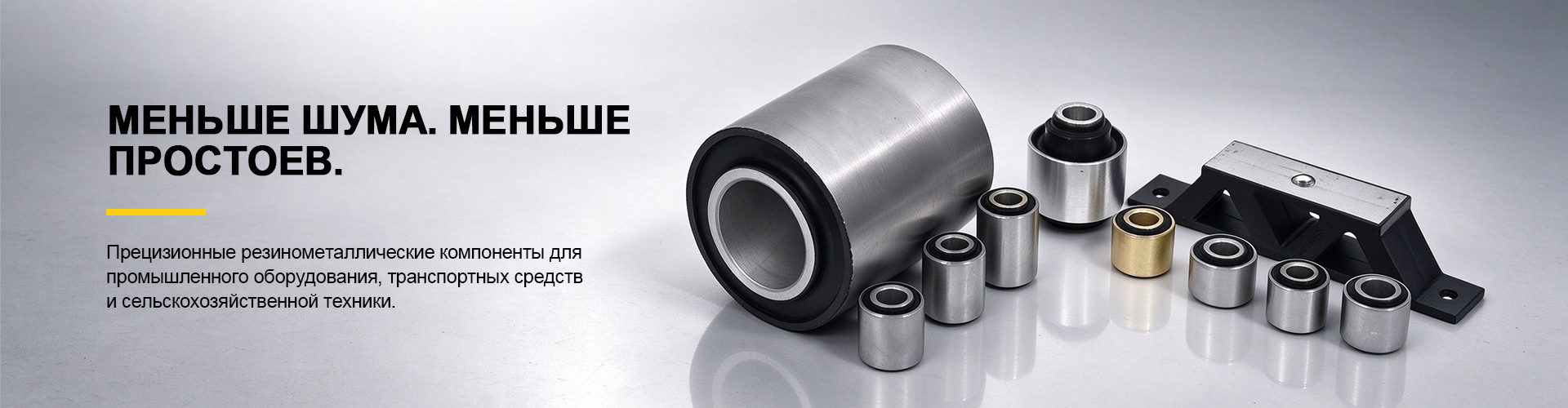
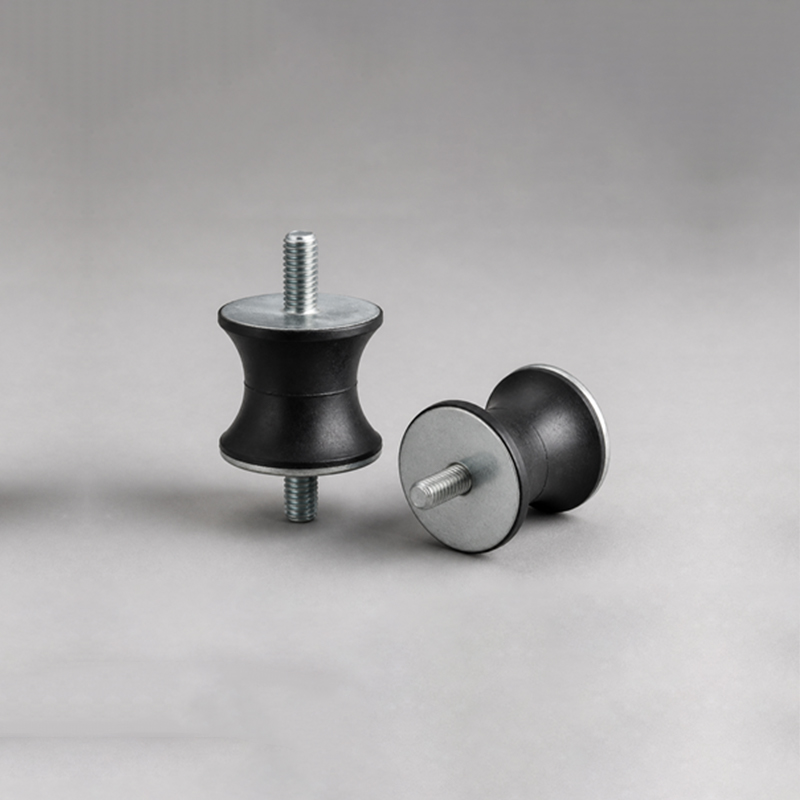
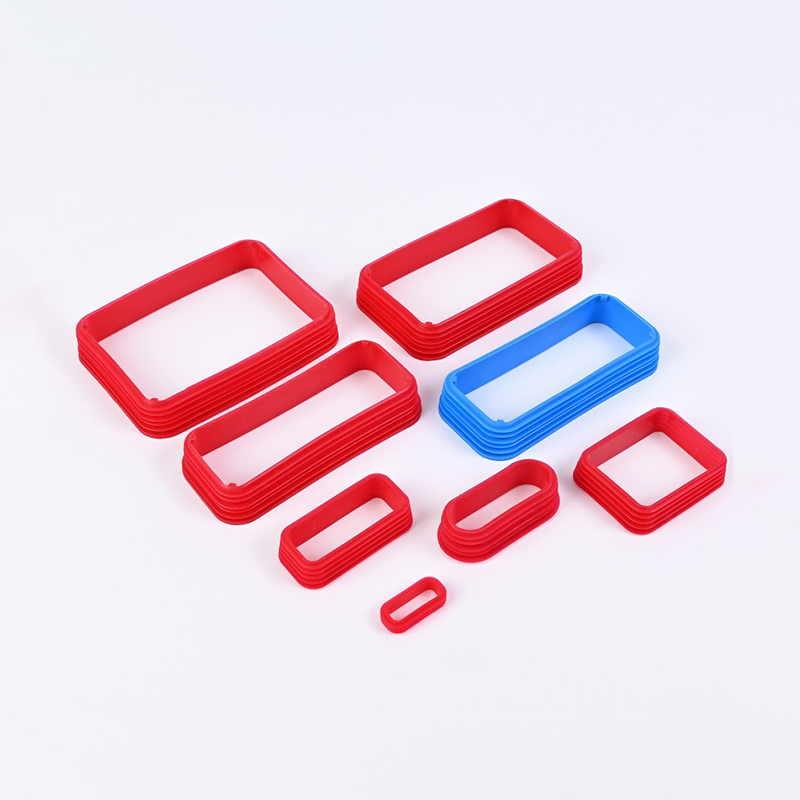
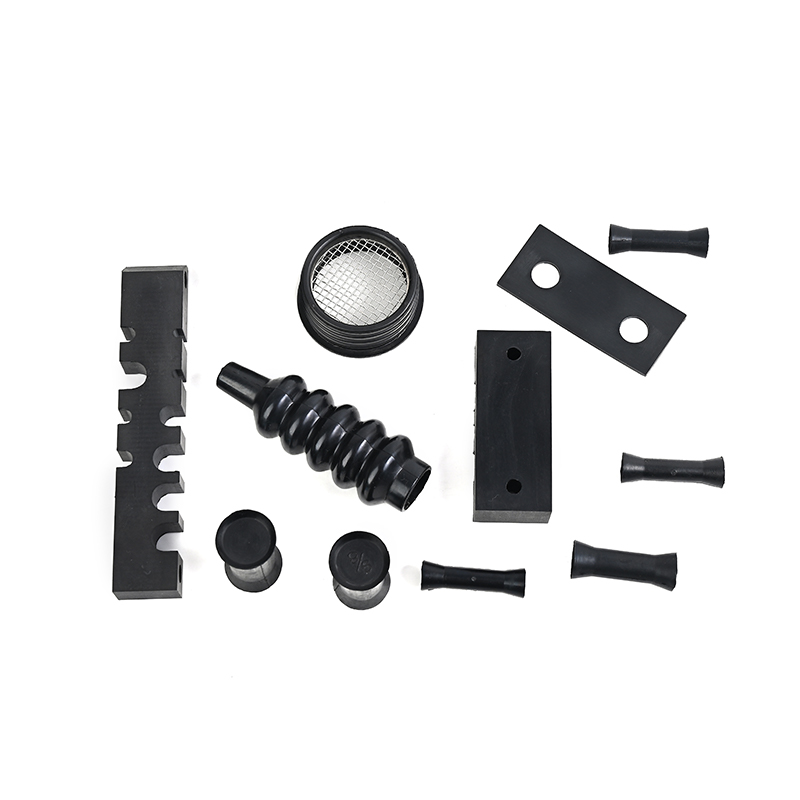
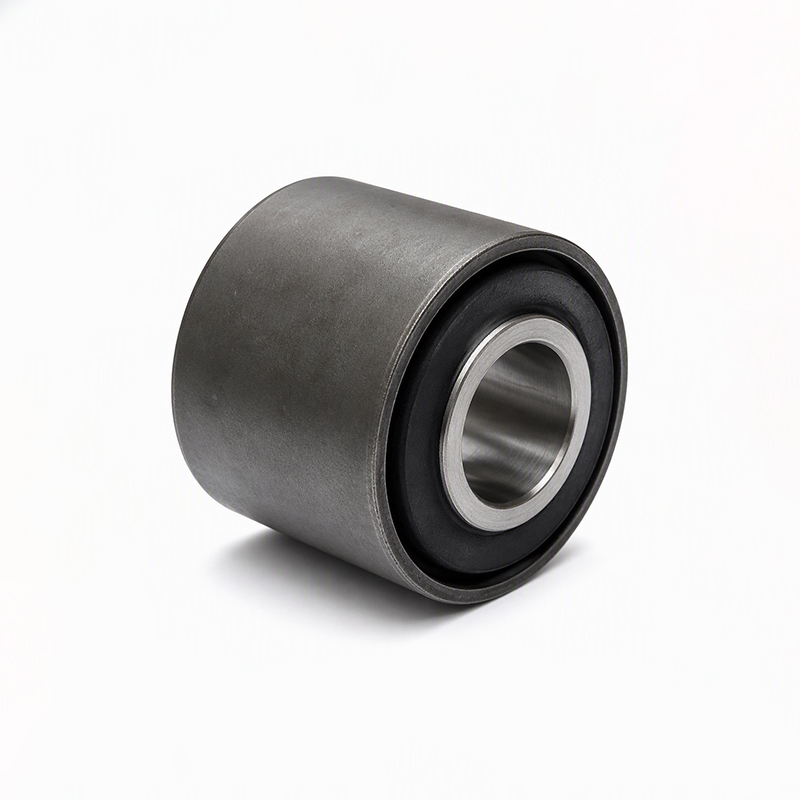
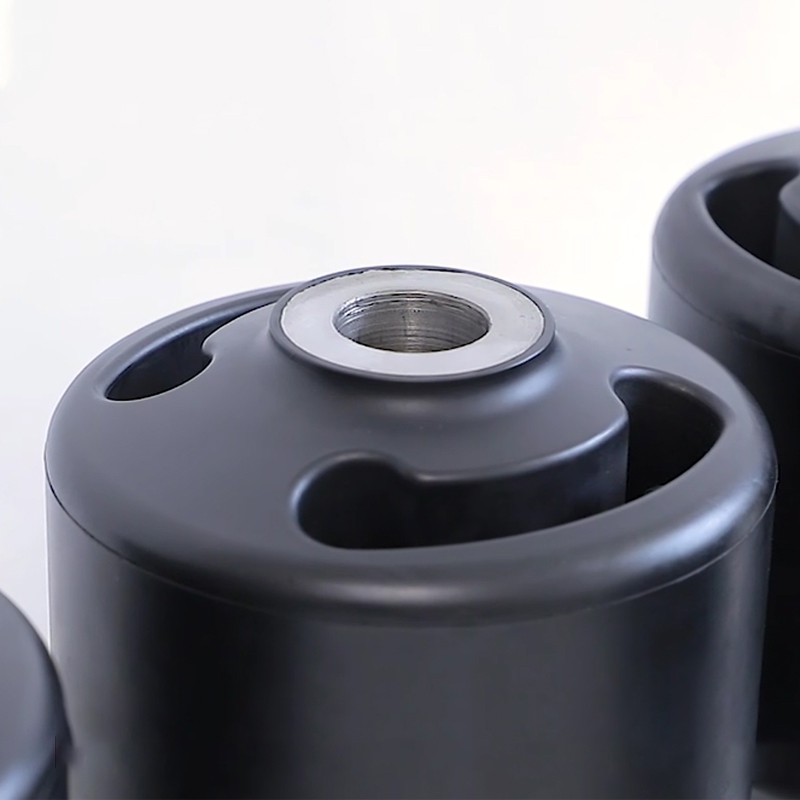
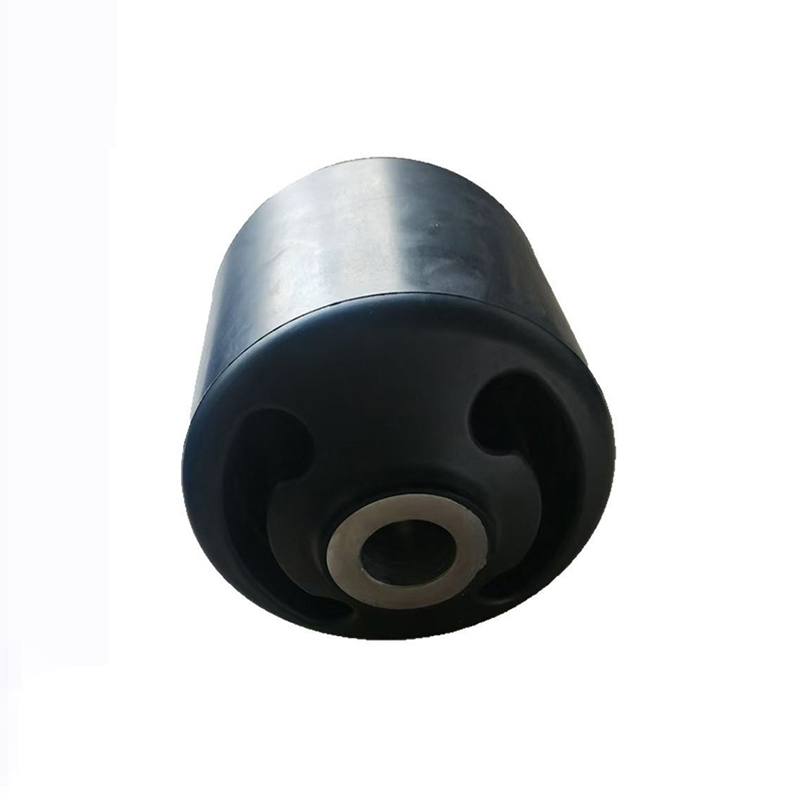
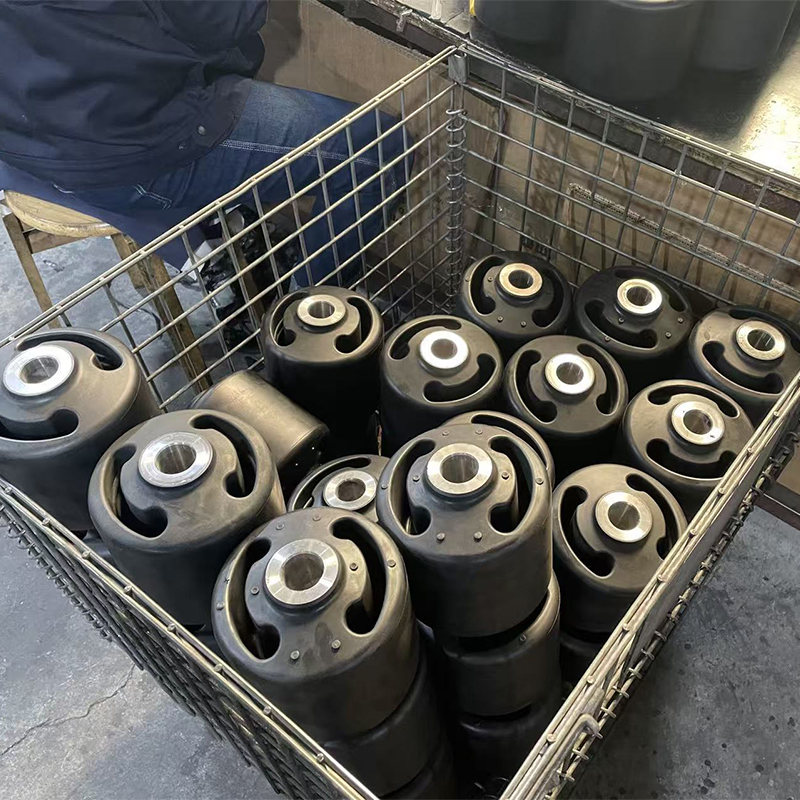
Rubber bushings
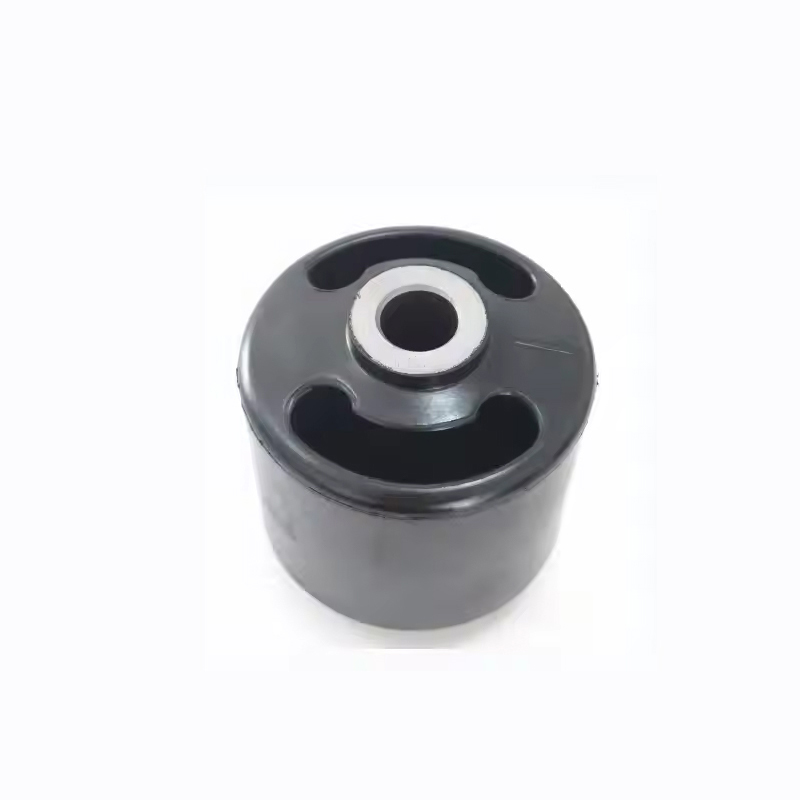
A rubber bushing in a suspension or shock absorber provides a resilient connection between metal components. Its main functions are vibration absorption, noise reduction (preventing the transmission of road and transmission noise to the car body) and compensation of angular and linear movements during suspension travel.
Description
marker
Functions and Applications
A rubber bushing in a suspension or shock absorber provides a resilient connection between metal components. Its main functions are vibration absorption, noise reduction (preventing the transmission of road and transmission noise to the car body) and compensation of angular and linear movements during suspension travel.
Rubber bushings have a certain service life. As rubber ages, it loses its elasticity and cracks or hardens. A worn bushing will impair the vehicle's response to steering inputs, increase noise in the cabin and, if it continues to be used, accelerate the wear of adjacent components. Therefore, rubber suspension bushings are a product with consistently high demand in both the original equipment manufacturing and aftermarket segments.
Construction: rubber bonded to metal
Our bushings have a rubber-to-metal construction with a metal bushing (steel or stainless steel) to which the rubber layer is hot vulcanized. This creates a durable mechanical and chemical bond between rubber and metal surfaces, eliminating the risk of delamination during operation.
Available design options
Single outer metal ring with rubber liner
Double design: outer metal ring + inner metal sleeve (rubber between two metal surfaces)
Special configurations: conical, flanged, press-fit profiles - according to the buyer’s drawing
The exact design and geometry of each part is determined by the buyer's drawing or sample provided.
Materials
NR (natural rubber) - traditional material for suspension bushings; good combination of elasticity, damping and service life at normal operating temperatures. Standard material for most applications.
NBR (Nitrile Rubber) - Used where contact with oil or fuel may occur, or when elevated operating temperatures require greater chemical resistance.
EPDM - high resistance to atmospheric aging, ozone and UV radiation; used for components directly exposed to external influences.
Rubber hardness (Shore A) is specified in the part drawing. Softer mixtures provide better vibration absorption, harder ones provide more accurate positioning. Optimal hardness depends on load, suspension geometry and design requirements.
Production and quality control
Qingdao Jianqing Rubber Products Co., Ltd. operates a hydraulic compression molding press line and a hot vulcanization section for rubber-metal parts. Production has been continuous since 1995. The company has a CNC machining center for its own production of tooling.
Quality control of each production batch includes:
Dimensional control: internal and external diameter, length, alignment
Quality of the vulcanization joint (visual inspection and load testing)
Checking rubber hardness
Before mass production begins, a production sample is made and approved by the buyer. Serial production begins after written confirmation of the sample.
Applications
Rubber-to-metal bushings are used wherever a resilient connection between metal components is required, including:
- Passenger and commercial vehicles: shock absorber strut mounts, suspension arms, anti-roll bars, subframe connections
- Tractors and agricultural machinery: vibration-isolating cab mounts, attachment points for attachments
- Industrial equipment: vibration mounts for machines, pumps and compressors
- Commercial vehicles: suspension components for buses, trucks and trailers
All products are manufactured exclusively according to customer drawings or samples. Standard catalog parts for specific models or brands of vehicles are not offered. Each project begins with the submission of a technical drawing or sample by the buyer, followed by tooling design, sample production and buyer approval.
Request procedure
For technical assessment and proposal preparation, please provide:
Part drawing (preferred) or physical sample
Required material or description of working conditions for material selection
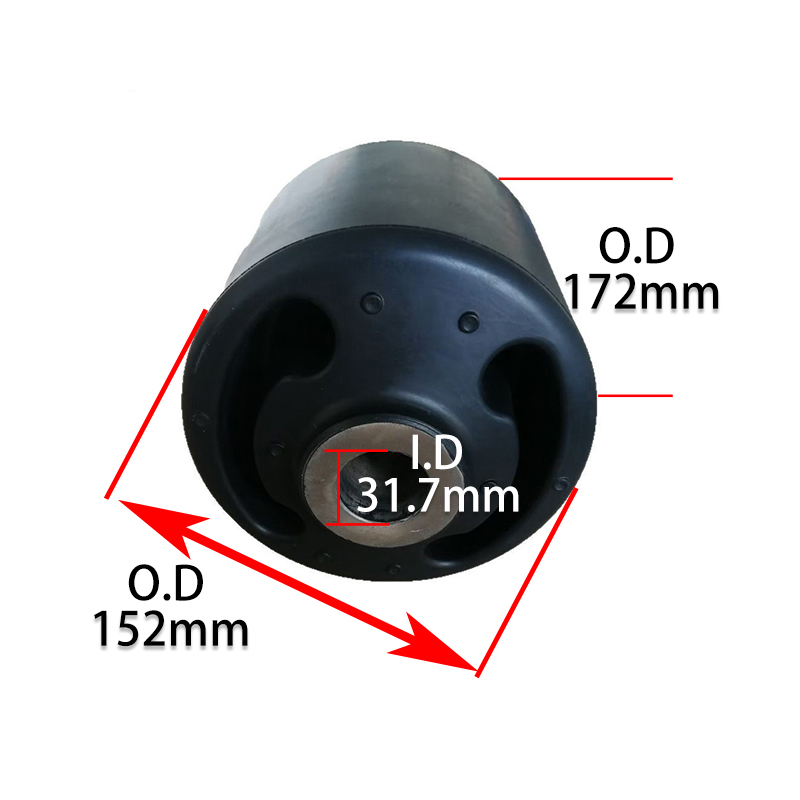
Dimensions (inner diameter, outer diameter, length)
Required Shore A hardness (if specified)
Approximate order quantity
contact us
Related Popular Products
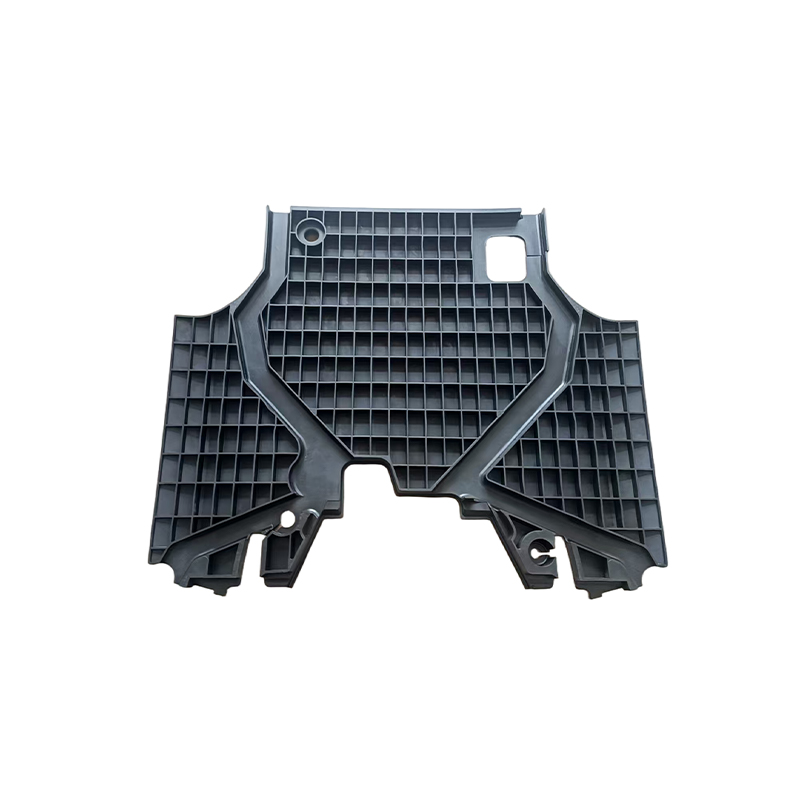
Mats for construction equipment
Rubber mats and pedal pads are functional components of the tractor and agricultural machine cab that provide operator traction with controls, reduce vibration load on the feet and knees, and also protect the metal surfaces of the floor and pedals from wear and slipping.
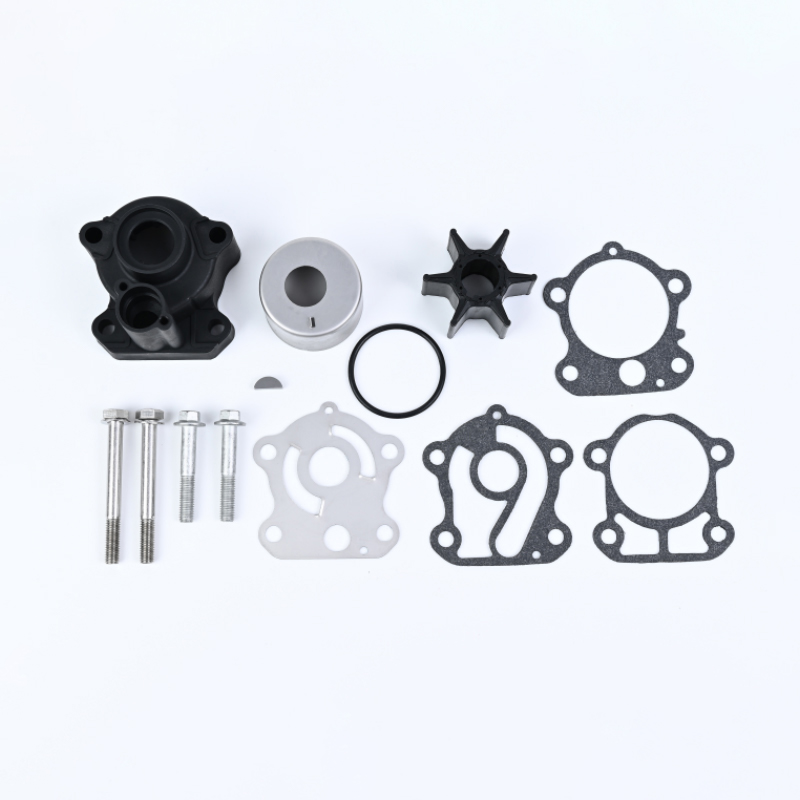
Water pump repair kits
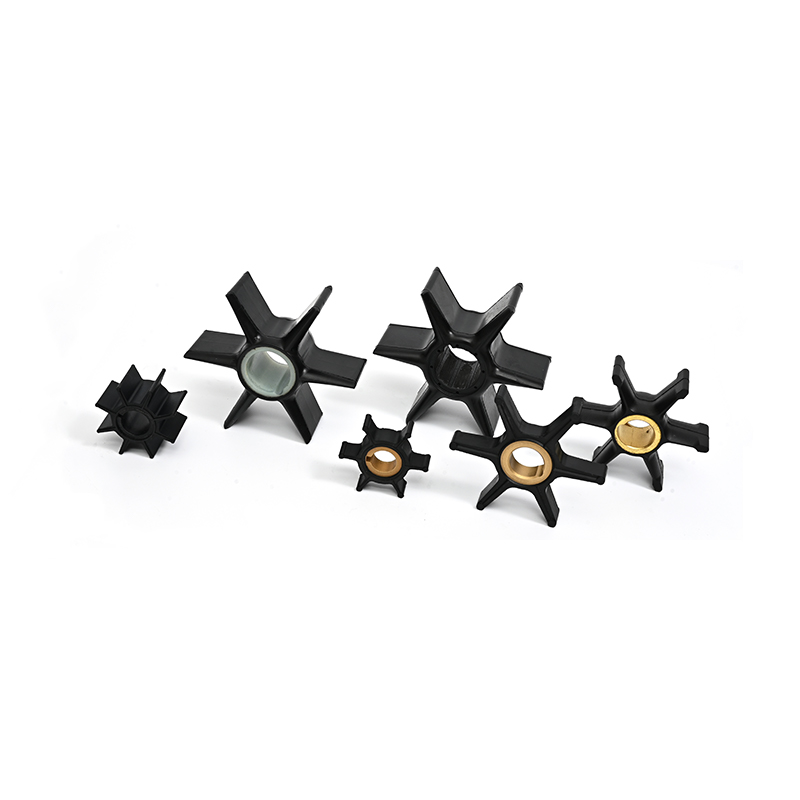
The outboard motor's cooling system operates as an open water loop: the pump draws seawater from outside the boat's hull, pumps it through the engine, and discharges it through the exhaust.
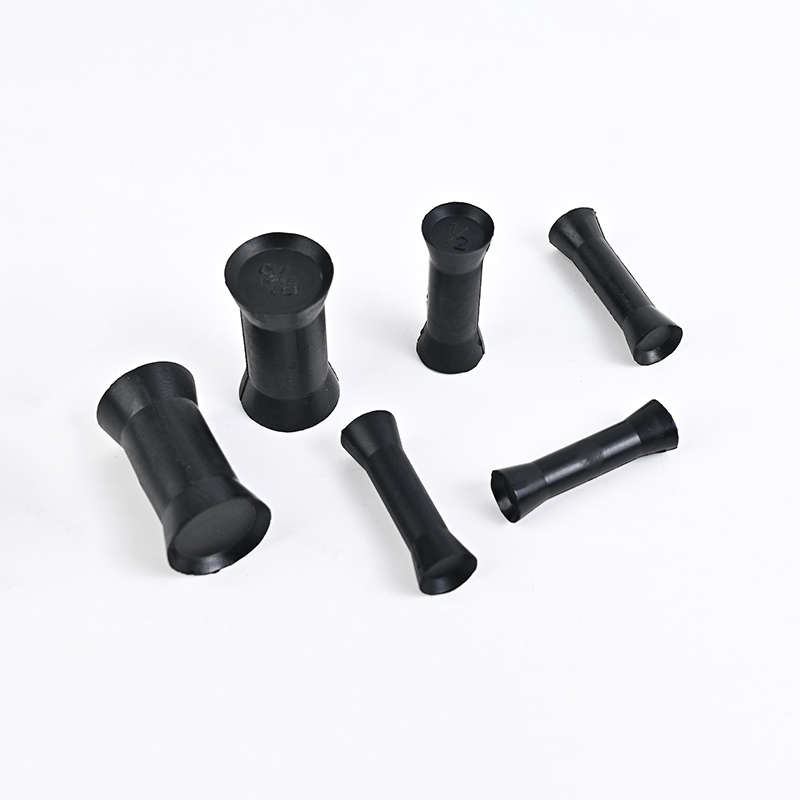
Rubber plug
Rubber sealing components prevent fluids, gases and contaminants from passing through connections, gaps and passages. They are used in industrial equipment, hydraulic systems, engines, piping, housings and automotive assemblies wherever a sealed connection is required.
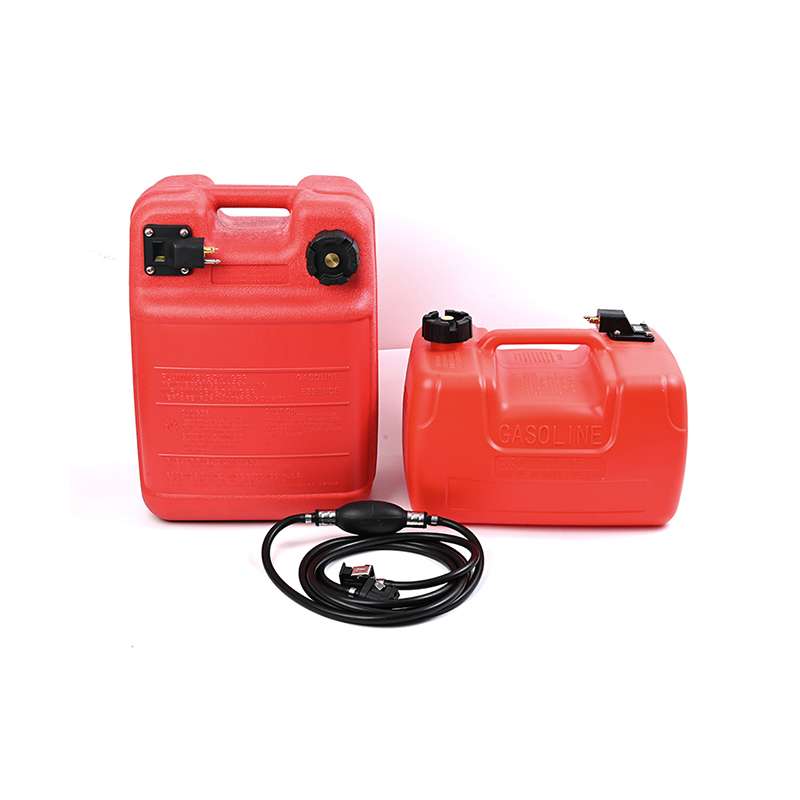
Fuel tanks and fuel level sensors
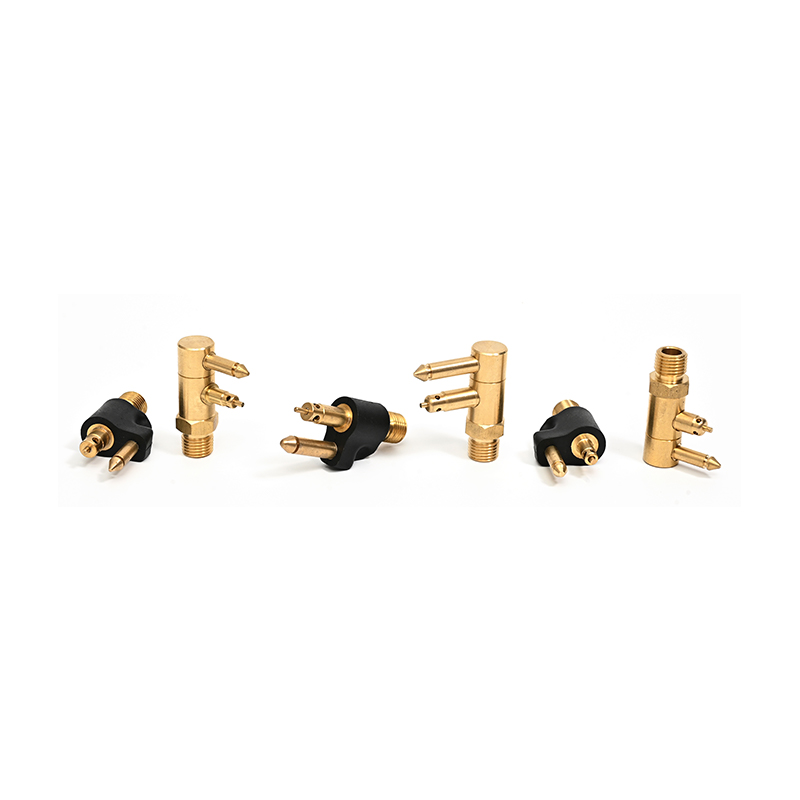
Outboard motors with an external portable fuel tank use a self-contained fuel supply system: a tank with a built-in fuel level indicator, a manual pump, a fuel hose and quick connectors. All components must work together, and each is a serviceable part subject to wear and replacement.
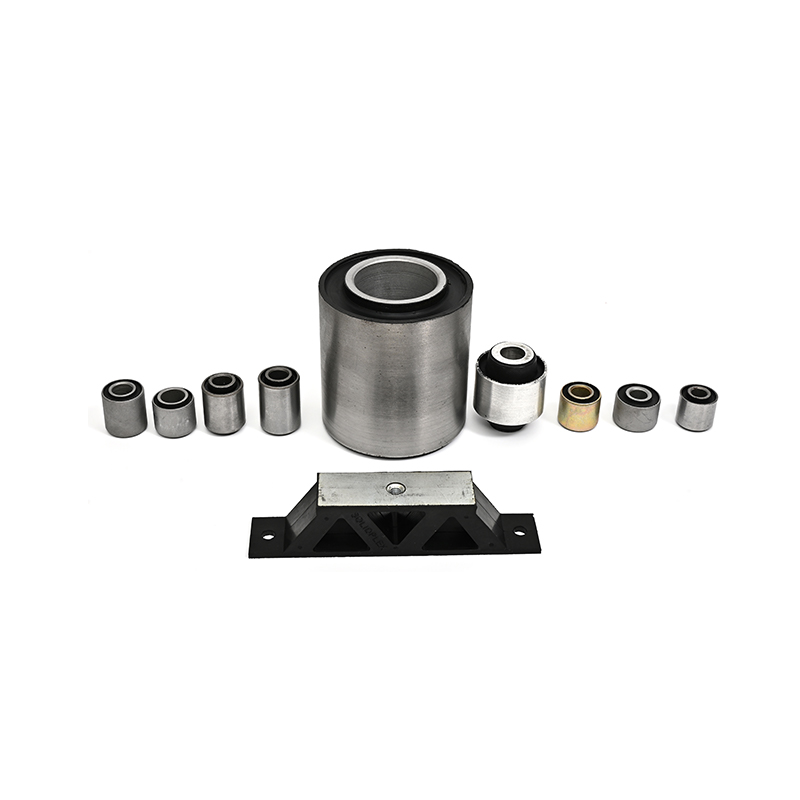
CRP-BN-001
A rubber-metal part is a structural element in which a rubber layer is chemically and mechanically connected to a metal base during hot vulcanization.
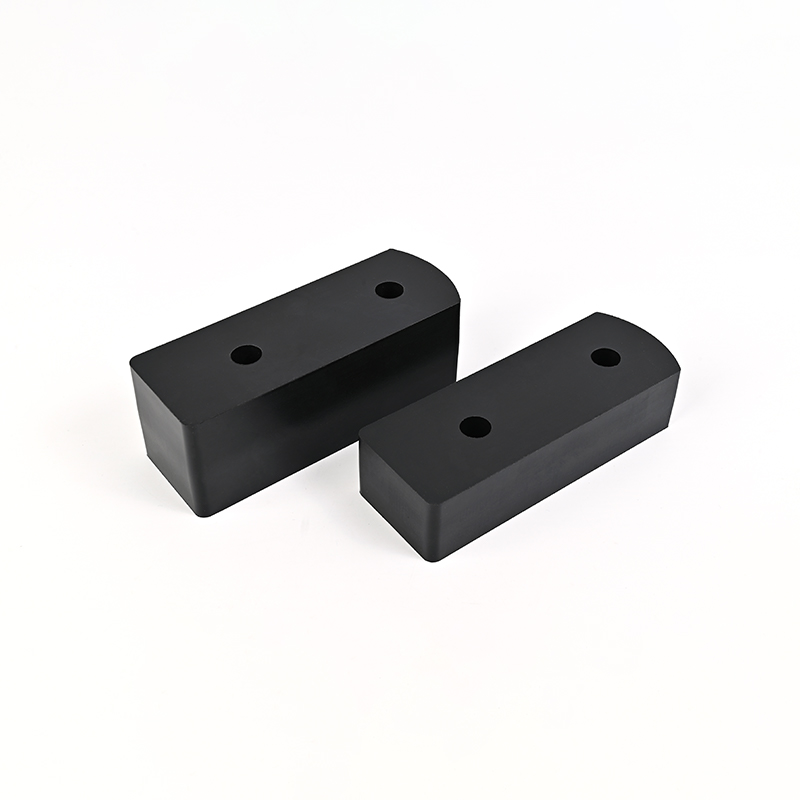
Rubber buffer pads
Rubber buffer pads, also called bumpers, buffer blocks or rubber buffers, are solid or hollow rubber elements designed to absorb and limit the energy of a physical impact or to provide a controlled stop at the end of a range of mechanical movement.
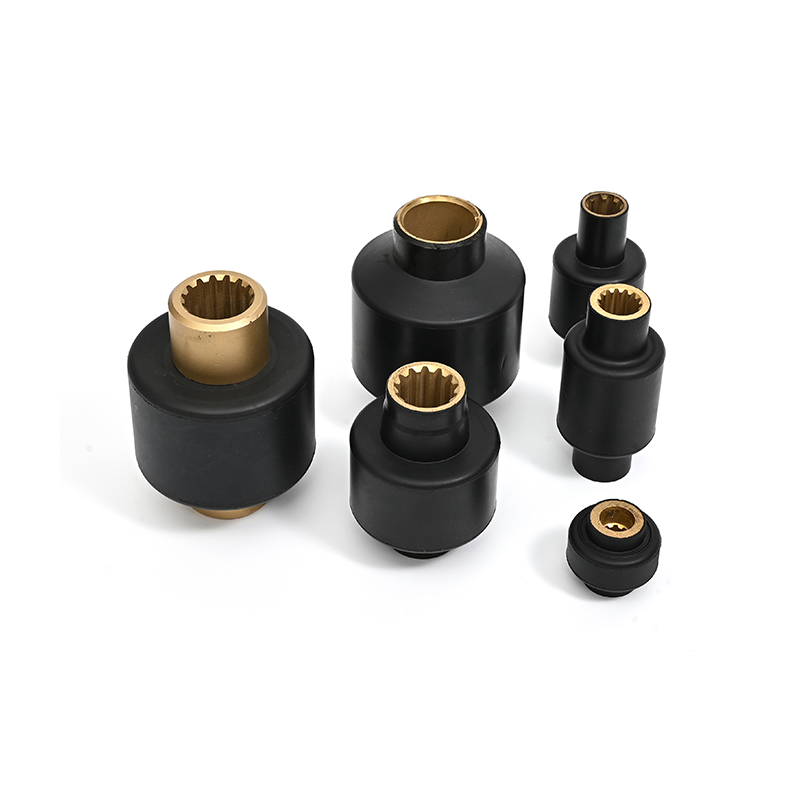
Propeller bushings
Propeller bushing (hub bushing) is a rubber element located between the propeller hub and the output end of the motor drive shaft.
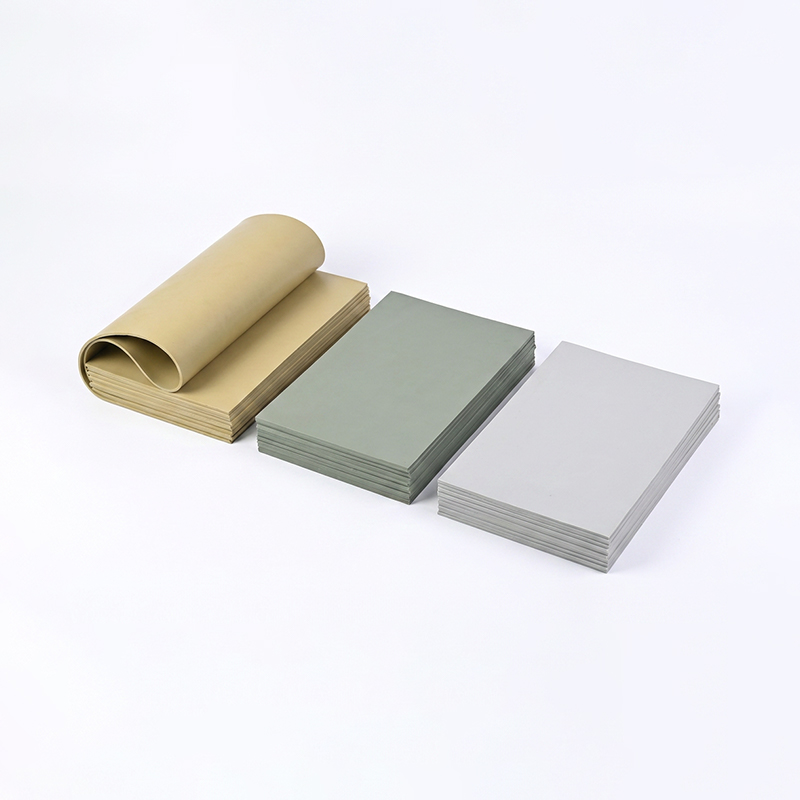
Rubber plates for laser engraving
Laser engraving rubber sheets are the main consumable material for making automatic and traditional rubber stamps using CO₂ laser engraving equipment. It is used by stamp shops, laser engraving shops, office and stationery distributors, and wholesale suppliers of materials to stamp manufacturers.
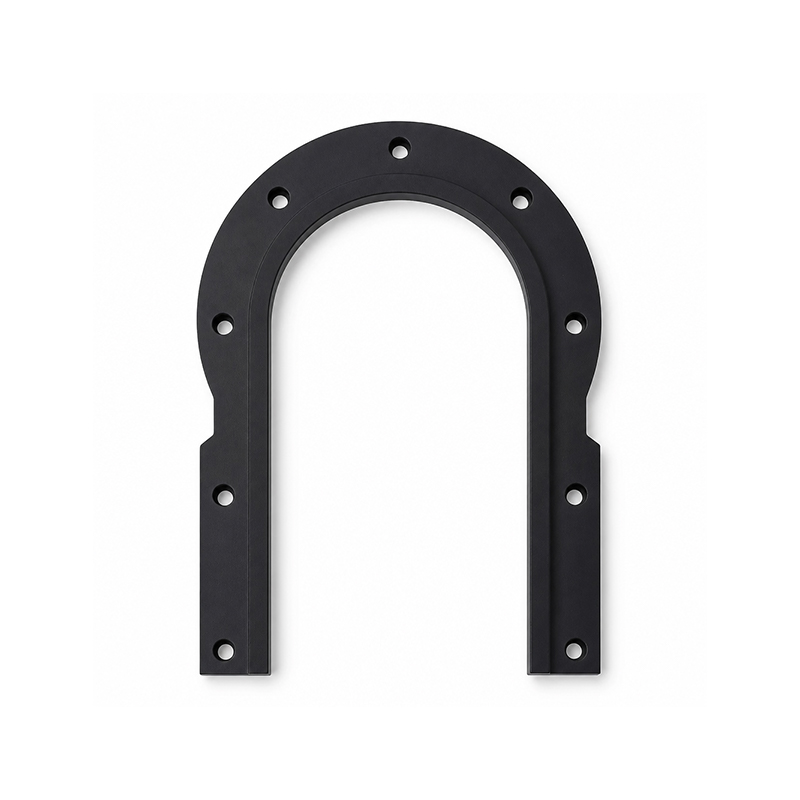
Custom U-Shape Seat Seal
Industrial U-seat seals for bi-directional gate valves. Available in NBR, EPDM and FKM with vulcanized steel core. Manufactured by Jianqing Rubber Products for mining, wastewater and slurry applications.
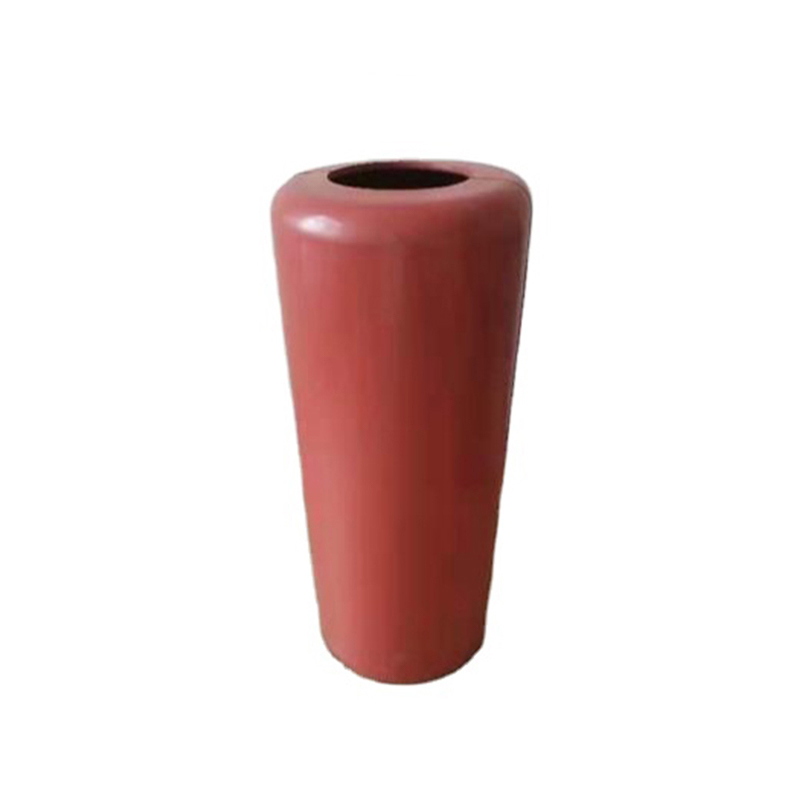
Rubber cylinders and membranes
Rubber cylinders and membranes are sealed or open-ended flexible rubber elements that change volume or transmit force under the influence of liquid or gas pressure.
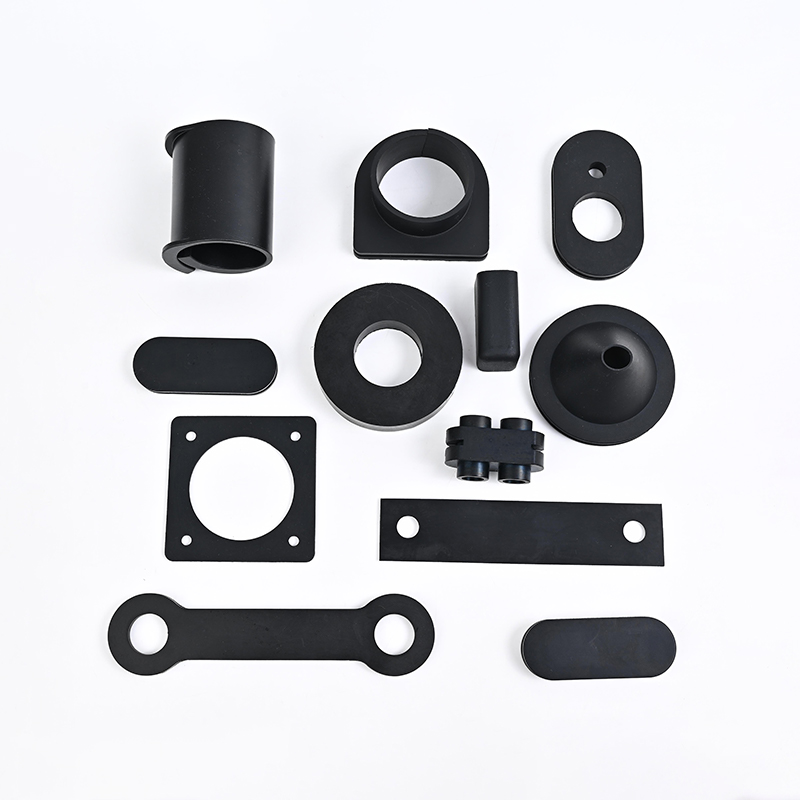
Rubber gasket
Rubber sealing components prevent fluids, gases and contaminants from passing through connections, gaps and passages. They are used in industrial equipment, hydraulic systems, engines, piping, housings and automotive assemblies wherever a sealed connection is required.
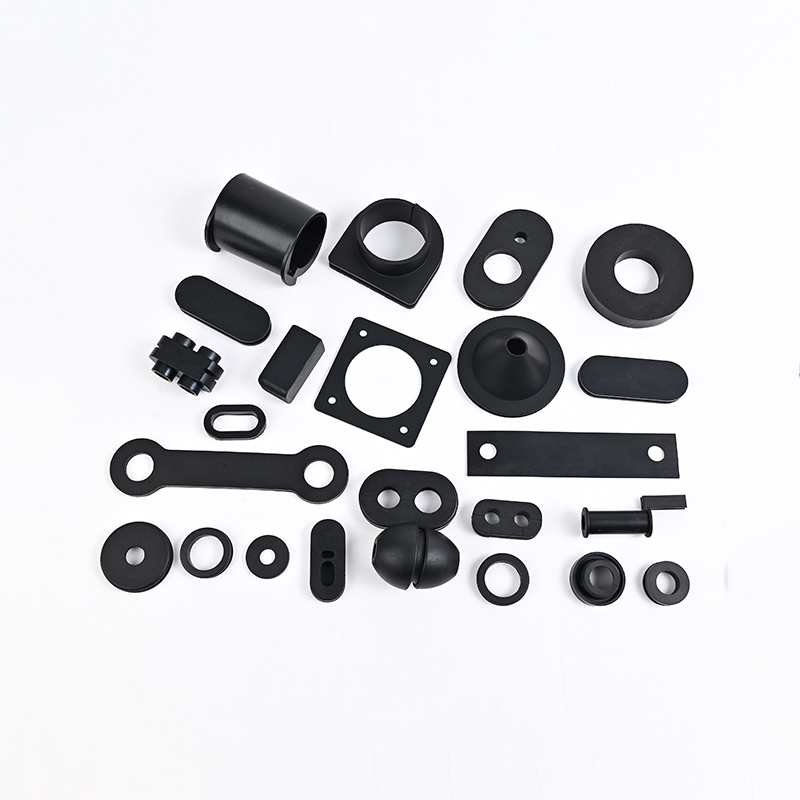
Rubber grommets/cable sealing grommets
Rubber grommets are a resilient ring installed in a mounting hole in a metal panel, bulkhead, or enclosure to allow cables, tubing, or wiring harnesses to pass through.
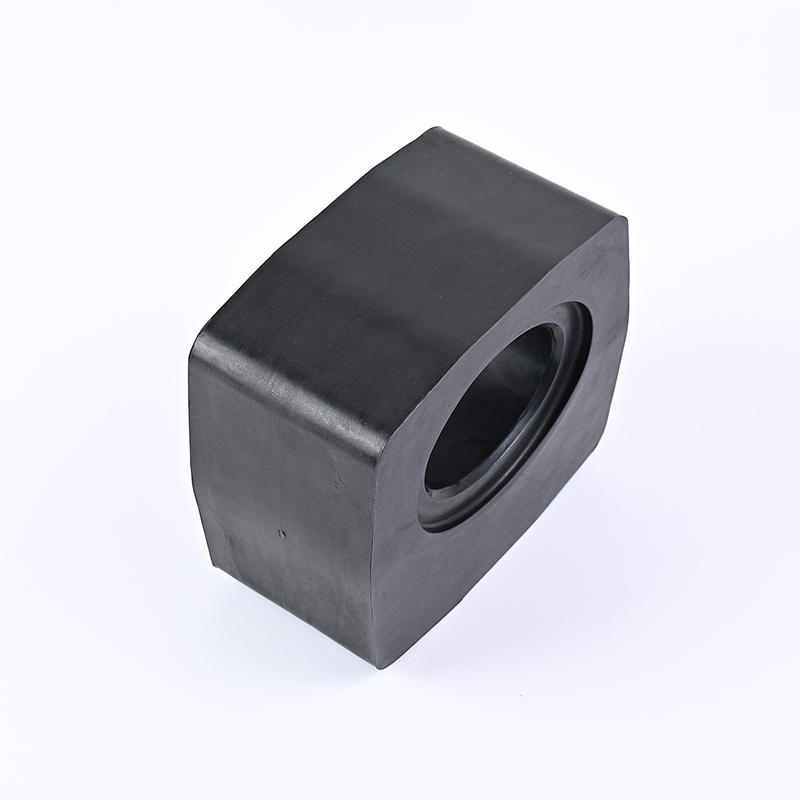
Counterweights for forklifts
JQ Rubber manufactures solid rubber counterbalance blocks for forklift counterbalance systems. The blocks are compression molded from a high-density rubber compound and have one or more pre-molded bolt holes for direct bolting to the counterweight frame.
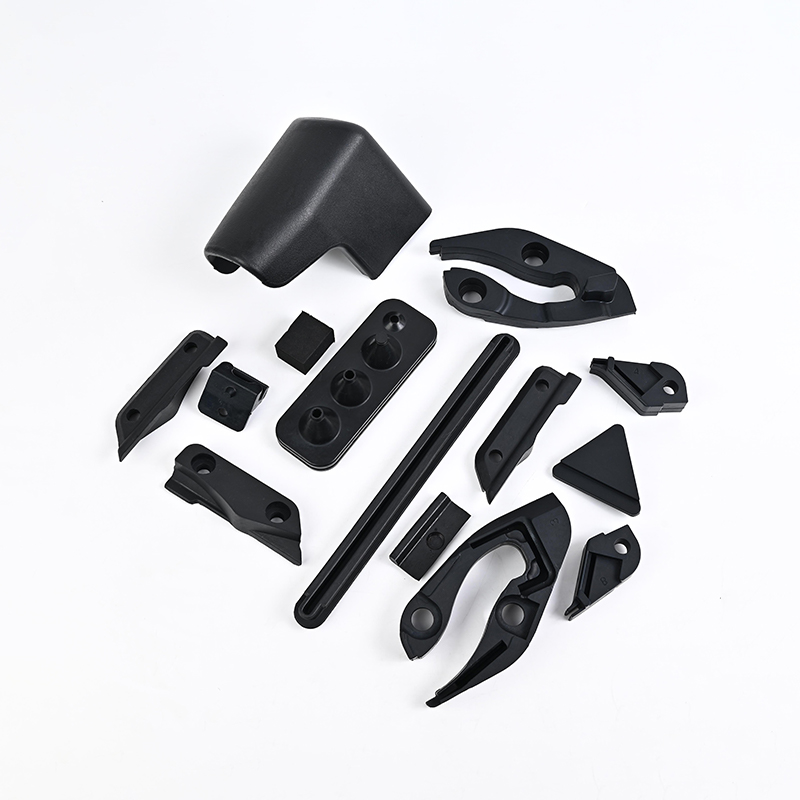
Accessories for agricultural machinery
JQ Rubber manufactures a wide range of custom molded rubber parts for agricultural equipment, including tractors, combine harvesters and other farm equipment.
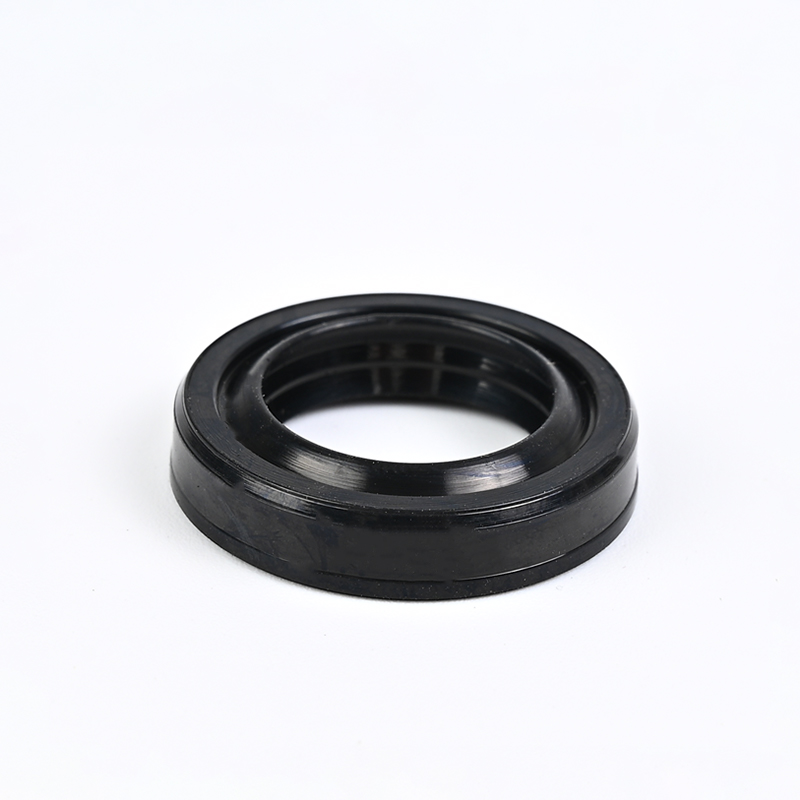
Oil seals
The outboard motor operates in constant contact with water - fresh or salt. The lower gear housing contains gear oil, which must remain isolated from surrounding water. This separation is ensured by seals on the propeller, drive and intermediate shafts.
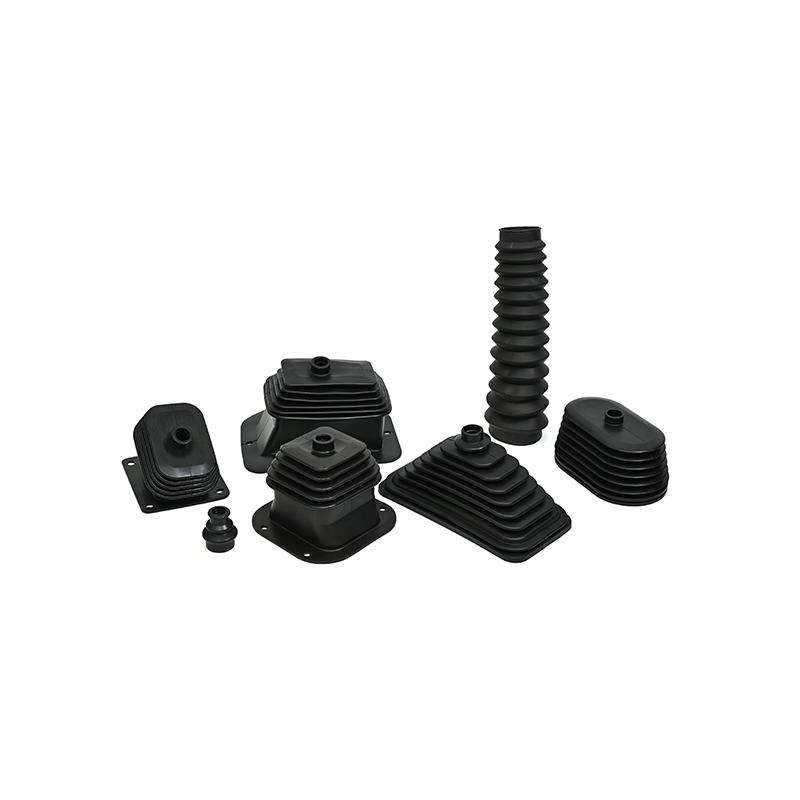
Rubber boots / telescopic boots
A rubber telescopic boot - corrugated or folded - stretches and contracts with the movement of the shaft, rod, lead screw or cylinder. It forms a continuous protective barrier between the work surface and the external environment.